If you want a proven vitamin C serum for glowing skin, you are not alone this single bottle has become the most talked-about step in modern skincare routines. According to Grand View Research, the global market for this brightening product was valued at USD 1.27 billion in 2023 and is projected to grow at a 7.6% CAGR through 2030.
That explosion of interest is not hype. It is backed by decades of peer-reviewed dermatology research showing that topical L-ascorbic acid can genuinely transform dull, tired complexions into visibly brighter, firmer skin.
In this guide, you will learn exactly how this antioxidant powerhouse works, what percentage to buy, how to layer it correctly, and the mistakes that quietly sabotage most users’ results.
Table of Contents

What a Vitamin C Serum Actually Is
A vitamin C serum is a lightweight, fast-absorbing liquid formulated with ascorbic acid most often in its purest, most studied form, L-ascorbic acid. It sits between your cleanser and your moisturizer, delivering a concentrated dose of antioxidants directly into the upper skin layers.
Harvard Medical School describes topical vitamin C as a science-backed, dermatologist-favorite ingredient that may slow early skin aging, improve wrinkles, fade dark spots, and even help with acne. That kind of endorsement is rare in the cosmeceutical world.
The reason it matters: humans cannot produce vitamin C internally, and oral supplements deliver very little of it to the skin. Topical application is the only efficient way to reach meaningful concentrations in the dermis.
The Science Behind the Glow
Understanding how this ingredient works will change how you use it. Three mechanisms drive nearly every visible benefit.
It Supercharges Collagen Production
Ascorbic acid is a required co-factor for the enzymes that stabilize and build collagen. A landmark double-blind study published in Dermatologic Surgery by Fitzpatrick and Rostan (2002) found that daily use of a 10% topical vitamin C formulation for three months produced significant improvements in wrinkles, skin tone, and collagen markers compared with placebo.
More collagen means firmer, plumper, more youthful-looking skin.
It Blocks Melanin Overproduction
Dark spots, sun patches, and melasma all come from one overactive enzyme: tyrosinase. Vitamin C inhibits tyrosinase, which slows new pigment formation and helps fade existing discoloration.
A 2023 systematic review in the Journal of Cosmetic Dermatology validated topical vitamin C’s usefulness in treating melasma and photoaged skin across multiple randomized controlled trials.
It Neutralizes Free Radicals From UV and Pollution
Research cited in the Indian Dermatology Online Journal found that topical 10% L-ascorbic acid reduced UVB-induced skin redness by 52% and sunburn cell formation by 40–60%. This is photoprotection that sunscreen alone cannot provide, since SPF blocks only about 55% of UV-generated free radicals.
Daily pollution exposure especially in urban environments like Karachi, Delhi, or Los Angeles accelerates skin dullness. An antioxidant serum is the defensive layer most routines are missing.
Proven Benefits You Will Actually See
Here is what consistent use realistically delivers, based on clinical evidence rather than marketing claims.
A Visible Brightness Boost
Most users report a “lit from within” radiance within 2 to 4 weeks. This is the fading of superficial dullness as tyrosinase activity slows and cell turnover improves.
Fewer Fine Lines and Firmer Texture
Because collagen takes time to build, expect wrinkle and firmness changes at the 8–12 week mark. The Journal of Clinical and Aesthetic Dermatology notes that ascorbic acid not only increases collagen synthesis but also stabilizes existing collagen fibers and reduces their breakdown.
Faded Dark Spots and Post-Acne Marks
One of the most practical wins for anyone dealing with acne scarring. Pigmentation from old breakouts (post-inflammatory hyperpigmentation) responds particularly well to this ingredient over 12 to 16 weeks.
Better Wound Healing and Scar Appearance
A study published in Aesthetic Plastic Surgery showed that silicone gel combined with vitamin C improved scar appearance after surgical stitches were removed, outperforming plain silicone alone.
How to Choose the Right Formula for Your Skin
Not every bottle labeled “vitamin C” delivers results. Use these evidence-based criteria when shopping:
- Concentration between 10% and 20% this range accounted for 54.3% of 2024 market sales precisely because it balances effectiveness with tolerance
- pH below 3.5 for L-ascorbic acid formulas, which is required for proper skin penetration
- Dark, opaque, or airless packaging to prevent oxidation (yellow or brown serum is spoiled)
- Added stabilizers such as vitamin E and ferulic acid, which extend shelf life and enhance antioxidant activity
- A gentler derivative like sodium ascorbyl phosphate or magnesium ascorbyl phosphate if your skin is sensitive or reactive
A real-world tip: if your serum arrives dark amber or smells strongly metallic, return it. Oxidized product will not brighten it can actually stain the skin.
The Correct Way to Apply It
Application order and timing matter more than most people realize.
Morning Is Usually Better Than Night
Pairing this antioxidant with your daytime SPF amplifies UV protection, since it neutralizes the free radicals sunscreen lets through.
Cleanse and Pat Dry
Use a pH-balanced cleanser. Leave the skin slightly damp not soaking wet for smoother spread.
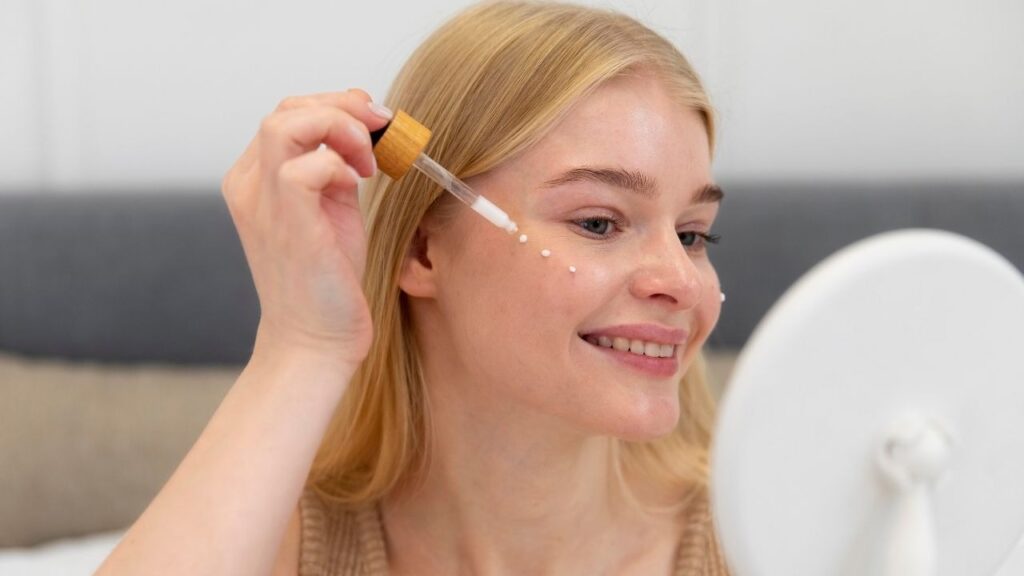
Dispense 3 to 4 Drops
More is not better. A pea-sized amount covers the full face, neck, and décolletage. Press it gently into the skin rather than rubbing.
Wait, Then Layer Moisturizer and SPF
Give the serum 60–90 seconds to settle. Always finish with broad-spectrum sunscreen (SPF 30 or higher) skipping this step wastes the serum entirely.
Common Mistakes That Sabotage Your Results
Even a high-quality brightening serum fails when used incorrectly. These are the errors I see most often:
- Storing the bottle on a sunny bathroom shelf, which triggers oxidation within weeks
- Layering it directly over strong acids or retinoids, which can cause stinging and reduced efficacy
- Skipping sunscreen and then blaming the serum for “not working”
- Expecting miracles in 7 days collagen remodeling takes months, not days
- Buying the cheapest formula in clear plastic packaging, which almost guarantees a degraded product
Real experience: users who commit to 12 weeks of consistent morning use consistently report the biggest visible transformations, while those who bounce between products every two weeks rarely see change.
Who Should and Should Not Use It
Most skin types oily, normal, combination, and mature tolerate properly formulated ascorbic acid serums beautifully.
However, if you have rosacea, broken skin, or a known sensitivity to low-pH products, start with a gentler derivative at 5% or below, and patch-test along the jawline for 3 nights before full-face use.
Pregnant or breastfeeding women generally consider topical vitamin C safe, but a quick check with your dermatologist is always wise.
Realistic Timeline: What to Expect Week by Week
Managing expectations is the single biggest factor in whether people stick with a routine long enough to see results.
In the first two weeks, skin usually looks slightly more hydrated and even-toned. By week four to six, superficial dullness lifts noticeably and makeup starts sitting better. Between weeks eight and twelve, dark spots visibly soften and fine lines appear less pronounced. After three to six months, most users experience firmer texture, brighter undertones, and a general “my skin but better” effect.
This is a marathon ingredient, not a sprint. Consistency beats intensity every time.
Final Thoughts on Unlocking Your Natural Radiance
A well-formulated vitamin C serum for glowing skin remains one of the most evidence-backed tools in modern skincare not because of marketing, but because decades of clinical research support its role in collagen synthesis, pigment correction, and antioxidant defense.
Pair a 10–20% L-ascorbic acid formula with daily sunscreen, give it a full 12 weeks, and store it properly. Do just those three things and the results will speak louder than any before-and-after photo ever could.
How long before I see results from a brightening serum?
Most people notice brightness within 2 to 4 weeks, fading of dark spots by 8 to 12 weeks, and texture improvements by 3 to 6 months. Clinical studies typically run 12 weeks because that is when measurable change appears.
Can I use it with retinol or niacinamide?
Yes, but smartly. Apply the antioxidant serum in the morning and retinol at night to avoid irritation. Niacinamide layers safely with vitamin C in modern, well-buffered formulas the old “they cancel each other out” myth has been debunked.
What strength should beginners start with?
Start with 10% L-ascorbic acid or a 5% gentler derivative for the first month. You can step up to 15–20% once your skin adjusts, if needed.
Does this serum help acne-prone skin?
Yes. Harvard Health references clinical trials where twice-daily topical vitamin C reduced acne lesions versus placebo, thanks to its anti-inflammatory effect and mild regulation of sebum.
How should I store my serum?
Keep it in a cool, dark place, a drawer or medicine cabinet, not a sunny counter. Some users refrigerate theirs to extend shelf life. Replace the bottle every 3 to 6 months, or sooner if the color darkens.
Can I use this brightening serum every day?
Yes, once-daily morning use is the standard dermatology recommendation. Twice daily is acceptable for experienced users but not necessary for most people.