The hyperpigmentation clinic specializes in treating stubborn dark spots, uneven skin tone, and pigmentation disorders that over-the-counter products simply cannot fix. If you have tried countless brightening serums and home remedies without results, you are not alone. According to the American Academy of Dermatology, over 5 million Americans are diagnosed with melasma alone, and pigmentation concerns account for more than 40% of all cosmetic dermatology consultations in the United States, as reported by SNS Insider’s 2025 market analysis.
This guide walks you through every treatment option available at a specialized pigmentation clinic, from laser therapy and chemical peels to advanced topical protocols. You will also find real statistics, dermatologist-backed prevention strategies, and answers to the most common patient questions about professional dark spot treatment.
Table of Contents
What Is Hyperpigmentation and Why Does It Happen
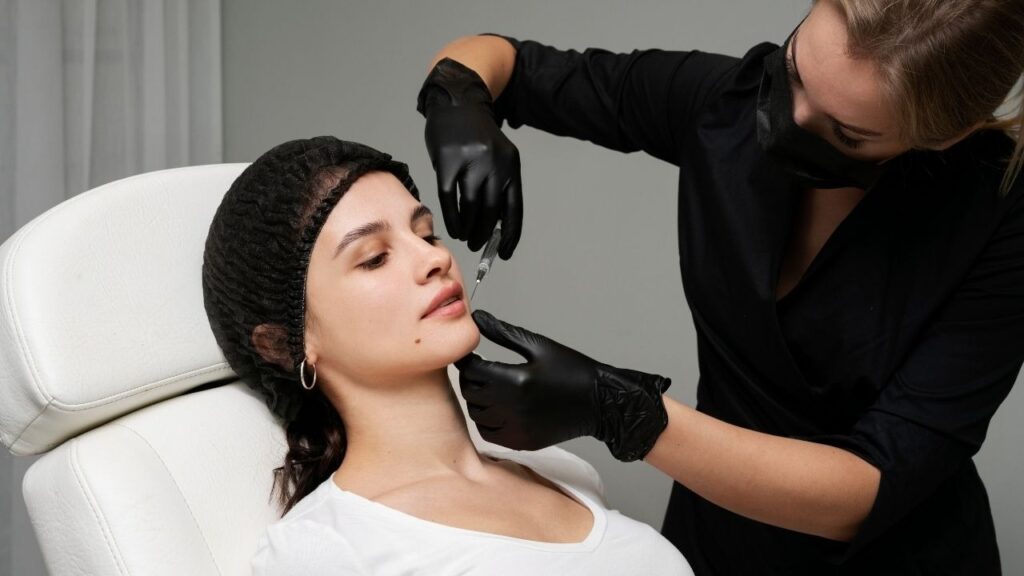
Hyperpigmentation occurs when your skin produces excess melanin, creating patches or spots darker than your natural complexion. The condition affects all skin types, though individuals with Fitzpatrick skin types III through VI experience it more frequently. According to Grand View Research’s 2025 Hyperpigmentation Treatment Market Report, this skin type group accounts for roughly 40% of the global pigmentation treatment market.
Common Triggers Behind Excess Melanin Production
Several factors can activate melanocytes (the cells responsible for melanin) into overdrive. Prolonged UV exposure remains the leading cause, damaging skin cells and triggering a protective melanin response that often becomes permanent.
Hormonal fluctuations during pregnancy, oral contraceptive use, or hormone replacement therapy are another significant trigger. The AAD estimates that roughly 90% of melasma patients are women, with hormonal shifts playing a central role. Post-inflammatory hyperpigmentation (PIH) from acne, burns, or skin injuries is the third major cause, particularly in darker skin tones.
How Pigmentation Affects Confidence and Skin Health
Dark spots and uneven tone are not purely cosmetic concerns. Untreated pigmentation can worsen over time, spreading to larger areas and becoming increasingly resistant to treatment. A study published in the Journal of Drugs in Dermatology (2019) confirmed that early, targeted intervention produces significantly better outcomes than delayed treatment across all skin types and conditions.
Why Professional Clinic Treatment Outperforms Home Remedies
Over-the-counter brightening creams typically contain low concentrations of active ingredients like niacinamide or vitamin C. While helpful for mild discoloration, they rarely penetrate deep enough to address moderate or severe hyperpigmentation.
A professional dermatology clinic offers prescription-strength formulations, medical-grade devices, and personalized protocols that target melanin at the cellular level. According to Precedence Research’s 2025 market report, dermatology clinics dominate the pigmentation treatment market with a 38.7% share of global revenue, precisely because clinical interventions deliver faster and longer-lasting results than retail alternatives.
Combination therapy (pairing procedures with topical agents) clears pigmentation in 60 to 80% of patients in controlled studies, compared to just 30 to 50% clearance rates for single-method approaches. That gap alone makes professional treatment worth considering for anyone dealing with persistent dark spots.
Expert Treatments Available at The Hyperpigmentation Clinic
Laser Therapy for Targeted Pigment Removal
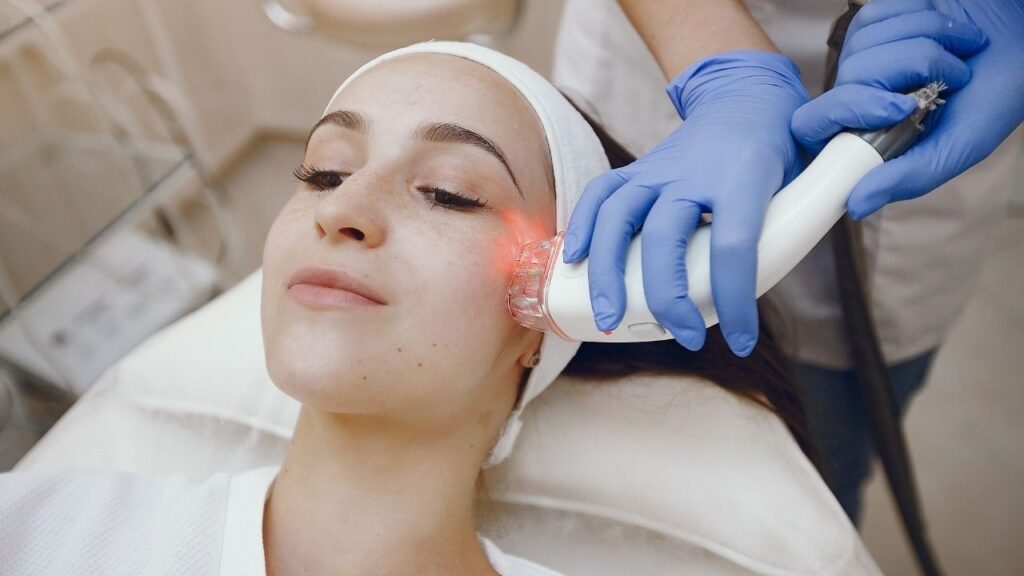
Laser treatments use focused light energy to break apart melanin clusters beneath the skin’s surface. Modern devices like the Q-switched Alexandrite laser and picosecond lasers allow dermatologists to target pigmented cells with precision while leaving surrounding tissue unaffected.
Most patients see visible improvement after one to three sessions, depending on the severity and depth of discoloration. Energy-based therapies held a 68.4% revenue share of the global pigmentation treatment market in 2024, according to Grand View Research, making them the single most popular professional option worldwide.
Picosecond Versus Nanosecond Lasers
Picosecond lasers fire pulses measured in trillionths of a second, shattering pigment particles more finely than older nanosecond technology. This precision lowers the risk of post-inflammatory hyperpigmentation, especially for patients with darker skin tones. Newer picosecond devices comprised roughly 22% of all new device purchases among dermatology clinics between 2023 and 2024.
Chemical Peels for Surface-Level Discoloration
Chemical peels apply controlled acid solutions (glycolic, lactic, salicylic, or TCA) to the skin’s outer layers. This accelerates cell turnover and brings fresh, evenly pigmented skin to the surface. Light peels work best for mild sun damage and superficial PIH, while medium-depth peels address melasma patches and deeper discoloration.
A clinical study published in the Journal of Drugs in Dermatology (2019) showed that a 3% retinol peel combined with a homecare regimen significantly improved fine lines, mottled pigmentation, and overall skin clarity across all skin types, including Fitzpatrick types IV through VI.
Topical Prescription Protocols
Medically supervised creams and serums form the backbone of long-term pigmentation management. Key active ingredients prescribed at the hyperpigmentation clinic include:
- Hydroquinone (2 to 4%): Considered the gold standard for melanin suppression, typically used in 8 to 12 week cycles under dermatologist supervision.
- Tretinoin (prescription retinoid): Increases cell turnover and enhances penetration of other brightening agents.
- Tranexamic acid: A newer oral and topical option gaining traction, with tranexamic acid and stabilized vitamin C serums accounting for 15 to 25% of new cosmeceutical launches in 2023 and 2024.
- Azelaic acid (15 to 20%): Effective for both PIH and melasma with minimal irritation risk.
- Niacinamide (vitamin B3): Inhibits melanin transfer to skin cells and strengthens the skin barrier.
Microneedling for Stubborn Pigmentation
Microneedling creates thousands of controlled micro-injuries that trigger the skin’s natural repair response. This boosts collagen production and enhances the absorption of topical brightening agents applied during or immediately after the procedure. The microneedling segment is projected to grow at the fastest rate (6.7% CAGR through 2030) in the hyperpigmentation treatment market, according to Grand View Research.
For deep melasma or resistant PIH, combining microneedling with tranexamic acid infusion or vitamin C serums produces faster visible results than either method alone.
The Step-by-Step Clinic Treatment Process
A well-structured treatment plan separates effective clinical care from guesswork. The hyperpigmentation clinic follows a clear protocol designed to maximize results while minimizing risk.
Initial Consultation and Skin Assessment
Every patient begins with a thorough skin evaluation. Dermatologists assess Fitzpatrick skin type, identify the specific form of hyperpigmentation (melasma, sunspots, PIH, or another variant), and review medical history for potential triggers like medications or hormonal conditions.
Wood’s lamp examination helps determine how deep the pigmentation sits within the skin. Superficial melanin responds differently to treatment than dermal (deep-layer) pigmentation, and accurate diagnosis drives the entire treatment selection process.
Personalized Treatment Plan Development
Based on the assessment, your dermatologist builds a multi-phase plan. Most clinical protocols span four to six months and layer different modalities strategically. A typical sequence might start with chemical peels to reduce surface pigment, transition to laser or IPL for deeper melanin deposits, and then maintain results with a prescription topical regimen.
Therapy Sessions and Progress Monitoring
Treatment sessions are spaced two to six weeks apart depending on the modality. Laser and IPL sessions typically last 20 to 45 minutes, while chemical peels take 15 to 30 minutes per session. Your provider documents progress with clinical photography at each visit to track measurable improvement.
Post-Treatment Care and Maintenance
The maintenance phase begins after completing your active treatment series. This includes quarterly touch-up sessions, daily broad-spectrum SPF 50 sunscreen, and a continued home care regimen with prescription brightening agents. According to market analysis from 360 Research Reports, recurrence rates exceed 30 to 50% without proper maintenance, making this phase critical for long-term success.
Common Types of Hyperpigmentation and How Each Is Treated
Melasma
Melasma presents as symmetrical brown or grayish-brown patches on the cheeks, forehead, upper lip, and chin. Hormonal triggers make it chronic and prone to recurrence. Treatment typically combines low-fluence laser toning, topical triple-combination creams (hydroquinone, tretinoin, and a mild corticosteroid), and strict sun protection. Melasma held a 37.2% share of the global pigmentation treatment market in 2024, per Market.us research.
Sunspots and Age Spots (Solar Lentigines)
These flat, brown spots result from cumulative UV damage and typically appear on the face, hands, and forearms after age 40. IPL (intense pulsed light) and Q-switched lasers are highly effective for sunspots, often clearing them in one to three sessions. Age spots accounted for 36.6% of the pigmentation treatment market by indication in 2024, according to Grand View Research.
Post-Inflammatory Hyperpigmentation
PIH develops after skin trauma, including acne, eczema, burns, or aggressive cosmetic procedures. Dark marks can linger for months or even years without treatment. Gentle chemical peels, microneedling, and topical agents like azelaic acid and niacinamide-based serums are the safest first-line options, especially for melanin-rich skin that carries higher PIH risk from aggressive treatments.
Prevention Strategies That Actually Work
Daily Sun Protection Is Non-Negotiable
UV exposure is the single greatest pigmentation trigger. A broad-spectrum mineral sunscreen with SPF 30 to 50, containing zinc oxide or titanium dioxide, should be applied every morning and reapplied every 90 minutes during outdoor exposure. Tinted mineral sunscreens with iron oxides add visible light protection, which is especially important for melasma patients.
Building a Pigment-Prevention Skincare Routine
A consistent daily routine reinforces clinical results and prevents new spots from forming. Morning protocols should include a vitamin C serum (a potent antioxidant that inhibits tyrosinase, the enzyme driving melanin production), followed by a hydrating niacinamide serum and mineral sunscreen.
Evening routines should incorporate gentle cleansing and a prescription retinoid applied three to five nights per week. Retinoids increase cell turnover and keep pigmented cells moving toward the surface where they shed naturally.
Lifestyle Factors That Influence Pigmentation
Heat exposure (saunas, hot yoga, cooking over open flames) can trigger melasma flare-ups independent of UV light. Certain medications, including some antibiotics and anti-seizure drugs, increase photosensitivity and pigmentation risk. Discuss all current medications with your dermatologist before starting any skin treatment protocol.
Real-World Data: The Hyperpigmentation Treatment Market in 2025
The global demand for professional pigmentation treatment is growing rapidly. Here are the key numbers shaping the industry right now.
| Metric | Data Point | Source |
| Global market size (2024) | $5.5 billion | Market.us |
| Projected market size (2034) | $11.3 billion | Market.us |
| Growth rate (CAGR 2025 to 2034) | 7.5% | Market.us |
| North America market share (2024) | 35.8% | Market.us |
| Dermatology clinic share of revenue | 48.3% | Market.us |
| Topical agents market share | 36.3% | Market.us |
| Average U.S. treatment cost per year | $1,200 to $1,800 | SNS Insider |
| Asia Pacific projected CAGR | 8.3% | Grand View Research |
These figures reflect a global shift toward professional skin care driven by increasing awareness, social media influence, and advances in laser and topical technologies.
How to Choose the Right Pigmentation Clinic
Board-Certified Dermatologists Matter
Always verify that the treating physician is board-certified in dermatology. Pigmentation treatment carries real risks (including worsening hyperpigmentation from incorrect laser settings or unsuitable peel depths), particularly for patients with darker skin tones.
Technology and Treatment Range
The best clinics invest in multiple device platforms (picosecond lasers, fractional lasers, IPL systems) because different pigmentation types respond to different wavelengths. A clinic limited to a single device cannot offer truly personalized care.
Before-and-After Documentation
Reputable clinics maintain clinical photography of actual patients. Ask to see documented results for patients with a similar skin type and pigmentation concern to yours before committing to a treatment plan.
Transparent Pricing and Realistic Timelines
Be cautious of clinics promising dramatic results after a single session. Most pigmentation conditions require a series of treatments over several months. According to industry data, clinical visit cadences typically range from 4 to 12 visits per treatment course, depending on the condition and severity.
How long does it take to see results from professional hyperpigmentation treatment?
Results depend on the type and depth of pigmentation. Superficial sunspots may clear after one to three laser sessions, while melasma typically requires four to six months of combination therapy. Topical prescription treatments show gradual improvement within six to eight weeks of consistent use.
Is professional pigmentation treatment safe for darker skin tones?
Yes, when performed by an experienced, board-certified dermatologist using appropriate devices. Picosecond lasers and low-fluence settings reduce PIH risk in Fitzpatrick types IV through VI. Chemical peels and topical protocols are also effective and safe options. According to Precedence Research, the post-inflammatory hyperpigmentation segment is expanding rapidly as providers develop safer protocols for melanin-rich skin.
How much does a full hyperpigmentation treatment plan cost?
In the United States, treatment packages average $1,200 to $1,800 per patient annually, according to SNS Insider. Individual laser sessions can range from $200 to $2,000 depending on the device, treatment area, and geographic location. Many clinics offer package pricing that reduces the per-session cost.
Can hyperpigmentation come back after treatment?
Yes, recurrence is possible, especially with melasma. Without proper sun protection and maintenance care, recurrence rates exceed 30 to 50%. Daily SPF application, prescription topical agents, and quarterly touch-up sessions significantly reduce the risk of dark spots returning.
What is the difference between melasma and regular dark spots?
Melasma is a chronic, hormonally driven condition that produces symmetrical patches of discoloration, typically on the face. Regular dark spots (solar lentigines or PIH) are caused by UV damage or skin inflammation and tend to appear as individual, discrete marks. Treatment approaches differ, which is why a proper skin assessment at a qualified clinic is essential before beginning any regimen.
Are at-home LED devices effective for hyperpigmentation?
Consumer-grade LED devices can support overall skin health but lack the power and specificity to meaningfully treat established pigmentation. Professional laser and IPL devices operate at much higher energy levels with targeted wavelengths that home beauty tools cannot replicate. Consider them a supplement, not a replacement, for clinical treatment.