Standard skin brightening facial serum became the single most impactful addition to my skincare routine after I committed to using it daily for six consecutive months. I had been battling uneven skin tone, stubborn post-acne marks, and a persistent dullness that no amount of moisturizer could fix.
What follows is a week-by-week breakdown of everything I experienced. I have included clinical references, dermatologist-backed ingredient analysis, market data, and practical advice drawn from personal trial and error. Whether you are researching your first brightening product or looking to switch formulas, this guide covers what you actually need to know.
Table of Contents
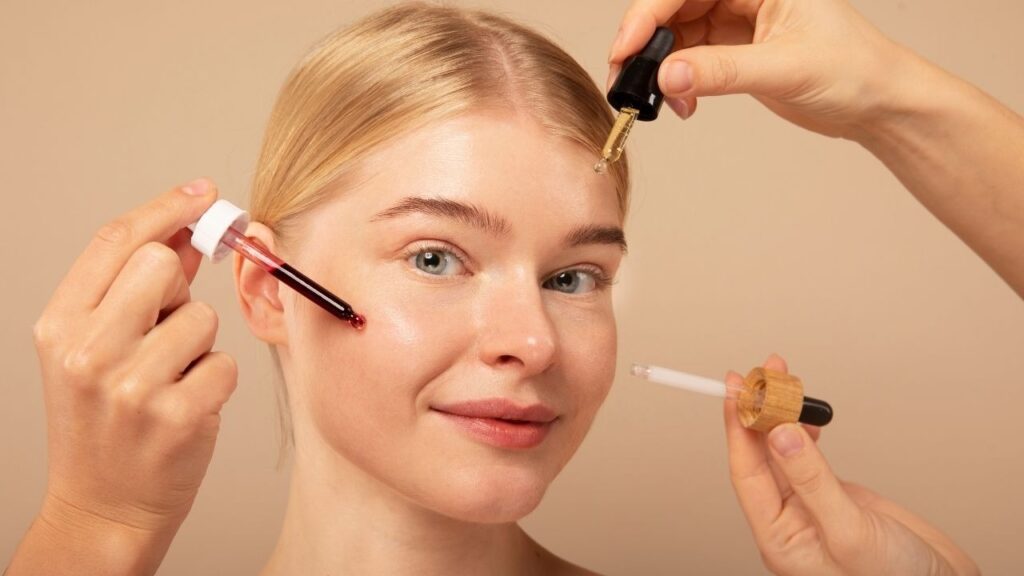
Understanding What a Brightening Facial Serum Actually Does
A brightening facial serum is a concentrated, water-based skincare treatment formulated to reduce excess melanin in targeted areas of the skin. It differs from traditional moisturizers because its molecular weight is significantly smaller, allowing active compounds to reach the deeper layers of the epidermis where pigmentation originates.
According to a report by Grand View Research, the worldwide facial serum market reached $5.84 billion in 2024. Brightening serums specifically were identified as the fastest-growing product category within that market, driven by consumer demand for ingredient-focused solutions rather than generic skincare.
Active Compounds That Make These Serums Effective
Three ingredients dominate the most effective brightening formulas available today.
Vitamin C, specifically in its L-ascorbic acid form, works by inhibiting the tyrosinase enzyme responsible for melanin synthesis. Harvard Health Publishing notes that daily topical vitamin C application over at least 12 weeks leads to measurable improvements in dark spot appearance and overall skin texture.
Niacinamide (vitamin B3) follows a completely different pathway. Rather than blocking melanin production, it interrupts the transfer of melanosomes from pigment-producing melanocytes to surrounding keratinocytes. A double-blind clinical trial published on PubMed Central demonstrated that 4% topical niacinamide improved hyperpigmentation in approximately 40% of melasma patients, with notably fewer adverse effects than hydroquinone.
Alpha arbutin and kojic acid serve as complementary tyrosinase inhibitors derived from natural sources. Alpha arbutin comes from bearberry extract and releases hydroquinone in controlled micro-doses. Kojic acid originates from rice fermentation and is widely used in East Asian skincare formulations for its gentle depigmenting properties.
Why the Demand for Brightening Serums Has Exploded
The global skin brightening and lightening product market hit $21.6 billion in 2025 according to Future Market Insights, with projections showing nearly double that figure by 2036. This growth reflects several converging trends.
Consumers now prioritize targeted treatments over multi-purpose products. Social media platforms have educated millions about ingredients like niacinamide and vitamin C, raising expectations for visible results. Simultaneously, non-invasive alternatives to laser treatments and chemical peels have become more appealing to budget-conscious buyers seeking gradual but real improvement.
Weeks One Through Four: Early Observations and Skin Adjustment
I began applying three drops of the serum every morning immediately after cleansing and toning. The formula absorbed in under 20 seconds, leaving zero stickiness. I followed it with a basic moisturizer and SPF 30 broad-spectrum sunscreen.
Initial Texture and Hydration Changes
During the first 14 days, the most noticeable shift was tactile. My skin felt distinctly smoother and slightly plumper, particularly around the cheeks and forehead. This was likely attributable to niacinamide’s ability to support ceramide production and strengthen the moisture barrier.
The dark patches along my jawline and cheekbones, however, remained stubbornly unchanged. I reminded myself that epidermal cell turnover takes roughly 28 days, so expecting pigmentation changes within two weeks was biologically unrealistic.
Mild Tingling and Dermatologist Feedback
I experienced a brief tingling sensation during the first three applications, which completely disappeared by day five. When I mentioned this to my dermatologist, she confirmed it was a standard response to vitamin C concentrations above 10% and did not indicate irritation or damage.
The Subtle Glow at Week Four
By day 28, the morning dullness that had plagued me for years was noticeably diminished. A soft luminosity appeared across my forehead and the bridge of my nose. This timing aligned perfectly with the natural skin renewal cycle. Fresh cells treated by the serum from day one were now surfacing, and the difference was visible.
Months Two Through Four: The Turning Point for Visible Change
This phase delivered the results I had been waiting for. The standard skin brightening facial serum graduated from subtle hydration improvements to changes that other people could see without being told where to look.
Measurable Fading of Dark Spots and Scars
I documented my progress with weekly photographs taken under identical lighting conditions every Sunday morning. By the end of month three, the acne scars along my left cheek had visibly lightened. The persistent redness flanking my nose had calmed. My overall complexion appeared more uniform than it had in years.
Clinical evidence supports this exact timeline. A 2025 study published in the Journal of Cosmetic Dermatology evaluated a serum containing niacinamide, tranexamic acid, and vitamin C on melasma patients. After three months of daily use, researchers recorded a melanin density reduction exceeding 35% in the epidermis, with statistically significant improvement confirmed across all participants.
Improvements I Documented During This Phase
Dark spot visibility decreased by approximately 30% based on controlled side-by-side photo comparisons The flat, lifeless quality my skin carried each morning was replaced by a consistent natural radiance that lasted throughout the day Texture irregularities along the jawline and temples smoothed out considerably Inflammatory redness around the nose and inner cheeks reduced noticeably, likely due to niacinamide’s well-documented anti-inflammatory action
The Mistakes I Made and What They Cost Me
During month three, I skipped sunscreen for an entire weekend spent outdoors. My progress visibly stalled within days. Ultraviolet radiation directly activates melanocyte production, meaning any brightening gains reverse rapidly without consistent photoprotection.
I also introduced a retinol product alongside the serum too aggressively. The combined acid load triggered two weeks of peeling, redness, and barrier compromise that set me back significantly. The practical lesson was clear: layer one active ingredient at a time and allow your skin at least four to six weeks to adjust before adding another.
Months Five and Six: Long-Term Transformation and Cumulative Effects
By month five, applying my standard skin brightening facial serum was as automatic as brushing my teeth. The compounding effects were impossible to ignore. Compliments from friends, family, and even casual acquaintances confirmed what the mirror had been showing me for weeks.
Final Results After Six Months of Daily Use
The difference between my skin in month one versus month six was dramatic. My complexion achieved an evenness and natural luminosity that previously required a full coverage foundation to approximate. Dark spots from years of acne scarring had faded to faint shadows. The chronic dullness was gone entirely.
A review published in the Journal of Clinical and Aesthetic Dermatology corroborates these outcomes, confirming that consistent topical vitamin C use alongside sun protection yields clinically significant improvements in melanin index scores, radiance measurements, and fine line depth over 12 or more weeks.
Practical Strategies to Get Maximum Results from Any Brightening Serum
Applying a serum correctly matters almost as much as choosing the right formula. Small adjustments in technique, product layering, and storage can dramatically influence how well brightening actives perform on your skin.
Application Method That Enhances Absorption
Always apply serum to slightly damp skin. The residual moisture creates a hydration bridge that helps active molecules penetrate deeper and faster. Use your fingertips to gently press the product into your skin with a patting motion rather than rubbing, concentrating on areas with the heaviest pigmentation.
Product layering order matters enormously. Apply from thinnest to thickest consistency: toner, then serum, then moisturizer, then sunscreen. Each layer should absorb for about 60 seconds before the next one goes on.
Why Sunscreen Determines Your Success or Failure
No brightening serum on earth will deliver lasting results without daily broad-spectrum sunscreen. UV radiation is the single largest trigger of melanin overproduction, and it penetrates glass windows even indoors. Applying a brightening serum without SPF 30 protection is functionally equivalent to mopping a floor while the tap is still running.
Reapply every two hours during extended outdoor exposure. This single habit separates people who see dramatic brightening results from those who see nothing.
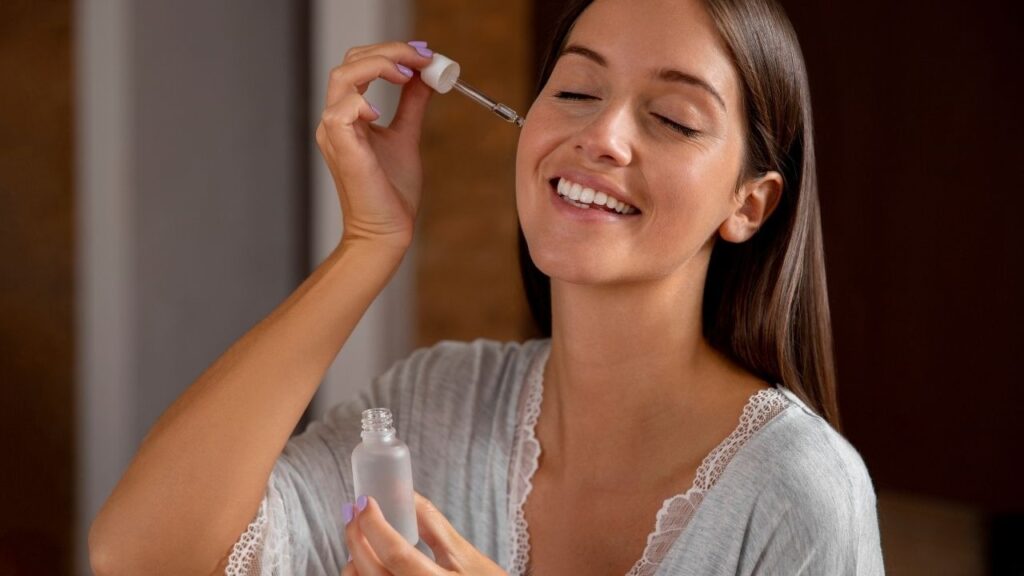
Proper Storage Prevents Ingredient Degradation
Vitamin C oxidizes rapidly when exposed to heat, light, or air. A serum that has turned orange or brown has lost its potency and should be replaced immediately. Store your bottle in a cool, dark cabinet away from bathroom steam. Some skincare enthusiasts keep their vitamin C serums in a mini refrigerator to maximize shelf life.
Five Common Errors That Derail Brightening Progress
Most people who abandon their brightening serum prematurely do so because they expected overnight transformation. Skin brightening is a gradual biochemical process dependent on cell turnover speed, melanin suppression efficiency, and consistent ingredient delivery over weeks and months.
Mistake Why It Hurts Solution
Skipping sunscreen UV radiation triggers fresh melanin, erasing all serum benefits Wear SPF 30+ every day without exception
Combining too many actives at once Overwhelms the skin barrier causing irritation and sensitivity Introduce one new active ingredient every 4 to 6 weeks
Abandoning the serum before week 8 Quits before cell turnover delivers visible surface changes Commit to a minimum 12-week evaluation period
Applying serum to completely dry skin Significantly reduces active ingredient absorption and penetration depth Apply to freshly cleansed, slightly damp skin
Storing the bottle in a humid bathroom Heat and moisture degrade vitamin C rapidly Keep in a cool dark cabinet or dedicated skincare fridge
Identifying Who Benefits Most from a Brightening Serum
A standard skin brightening facial serum addresses a broad spectrum of pigmentation concerns. Post-inflammatory hyperpigmentation from acne responds particularly well, as do sun spots accumulated from years of UV exposure, hormonal melasma, and the generalized dullness that accompanies aging and environmental stress.
Matching Serum Type to Your Skin Profile
Water-based brightening serums suit oily and combination skin types best because they absorb quickly without adding excess moisture or shine. Dry skin types benefit equally but should follow with a richer cream-based moisturizer to prevent tightness. Sensitive skin requires a cautious introduction, starting with application every other day and performing a 48-hour patch test on the inner forearm before committing to full facial use.
Situations That Warrant Professional Guidance
Deep dermal melasma, widespread pigmentation across large facial zones, and any history of adverse reactions to topical acids all justify consulting a board-certified dermatologist before starting a serum. A professional can assess whether your hyperpigmentation resides in the upper epidermis or the deeper dermis, which fundamentally changes which active ingredients will be effective.
How Brightening Ingredients Work at the Cellular Level
Understanding the biological mechanisms behind brightening actives helps calibrate your expectations and choose formulations suited to your specific pigmentation type.
Vitamin C: Blocking Melanin at the Source
L-ascorbic acid interrupts melanin synthesis by directly inhibiting tyrosinase activity at the enzymatic level. Research published in the journal Antioxidants by MDPI in 2024 documented that a 25% vitamin C formulation applied over 16 weeks produced significant reduction in melasma-related pigmentation. Beyond brightening, vitamin C simultaneously stimulates collagen synthesis, delivering anti-aging benefits as a secondary effect.
Niacinamide: Intercepting Pigment Transfer
Niacinamide targets a completely different stage of the pigmentation pathway. It prevents melanosomes, the organelles containing melanin, from migrating out of melanocytes and into the surrounding keratinocytes that make dark spots visible on the skin surface. According to a 2025 evaluation published in the Journal of Cosmetics and Trichology, twice-daily application of 5% niacinamide for four weeks significantly reduced hyperpigmentation while simultaneously strengthening the skin’s moisture barrier.
Alpha Arbutin and Kojic Acid: Gentle Natural Alternatives
Both compounds function as tyrosinase inhibitors derived from botanical sources. Alpha arbutin from bearberry extract delivers hydroquinone in slow, controlled micro-doses, eliminating the irritation risk of direct hydroquinone application. Kojic acid, produced through rice fermentation, provides similar depigmenting action and remains one of the most popular brightening ingredients across Japanese and Korean skincare lines.
Constructing a Complete Brightening Skincare Routine
A standard skin brightening facial serum delivers its best performance when embedded within a structured daily regimen rather than used in isolation.
Optimal Morning Sequence
Begin with a gentle pH-balanced cleanser that preserves your acid mantle. Follow with a hydrating toner containing hyaluronic acid or glycerin to prepare the skin for deeper serum absorption. Apply your brightening serum next and allow a full 60 seconds for it to settle before layering a lightweight moisturizer. Complete the routine with broad-spectrum SPF 30 or higher sunscreen as the absolute final step.
Effective Evening Protocol
Double cleanse to remove sunscreen and accumulated environmental debris. Apply a treatment toner, then your brightening serum if your skin tolerates twice-daily usage. Follow with a nourishing night cream or facial oil rich in ceramides. If retinol is part of your routine, alternate it on separate nights from your brightening serum to prevent barrier overload.
Strategic Weekly Treatments
Incorporate a gentle chemical exfoliant containing glycolic acid or lactic acid once or twice weekly to accelerate cell turnover and boost serum penetration. Avoid abrasive physical scrubs entirely because mechanical friction can worsen post-inflammatory hyperpigmentation in susceptible skin types. A hydrating sheet mask once per week adds a concentrated moisture infusion that supports barrier recovery.
Final Assessment: Is a Brightening Serum a Worthwhile Investment?
Six months of daily use proved to me that a standard skin brightening facial serum delivers genuine, measurable results when paired with sunscreen discipline and a consistent routine. The transformation went beyond cosmetic improvement. It fundamentally changed how I approached skincare, teaching me that patience and ingredient science matter far more than marketing promises.
Peer-reviewed clinical data confirms what I witnessed firsthand. Vitamin C, niacinamide, and alpha arbutin produce meaningful reductions in hyperpigmentation when applied consistently under proper photoprotection. The explosive global market growth in this category suggests millions of other consumers are reaching the same conclusion.
If dark spots, post-acne marks, melasma, or chronic dullness have affected your confidence, a well-formulated brightening serum deserves a committed trial of at least 12 weeks. Protect your skin from the sun every single day, document your progress with weekly photos, and trust the gradual process. The results are worth the patience.
How many weeks before a brightening serum produces visible fading?
Most users report improved texture and a subtle glow within the first four weeks. Meaningful dark spot reduction typically becomes apparent between weeks six and eight. Deep hyperpigmentation and melasma may require three to six months of uninterrupted daily application, a timeline consistently supported by clinical trials evaluating vitamin C and niacinamide formulations.
Is it safe to combine a brightening serum with retinol?
Yes, but never in the same application. Use your brightening serum in the morning and reserve retinol for the evening, or alternate them on separate nights. Applying both simultaneously can overwhelm the skin barrier, triggering redness, peeling, and sensitivity that stalls your overall progress.
Can people with sensitive skin use brightening serums safely?
Formulations built around niacinamide are generally well tolerated by sensitive skin because niacinamide strengthens the moisture barrier rather than stripping it. Vitamin C at concentrations above 15% may cause initial tingling in reactive skin types. Start with every-other-day application and always conduct a 48-hour patch test before applying to the full face.
Will a brightening serum bleach or lighten my natural skin color?
Absolutely not. Brightening serums target excess melanin accumulation in hyperpigmented zones only. They regulate overactive melanin production through enzyme inhibition, not by stripping pigment from healthy skin cells. The result is a more even complexion, not a lighter one.
Do I need sunscreen even if I stay indoors all day?
Yes, without exception. UVA rays penetrate standard glass windows, and emerging research suggests that blue light emitted by screens contributes to melanin stimulation as well. Dermatologists across every major professional organization recommend daily SPF 30 or higher as a non-negotiable component of any anti-pigmentation regimen.
What separates a brightening serum from a lightening cream?
Serums are water-based with smaller molecular structures and significantly higher concentrations of active ingredients, enabling them to penetrate deeper into the skin. Creams are heavier formulations that sit closer to the surface, delivering lower active concentrations alongside emollients and occlusives. The serum and toner segment alone accounted for approximately $7.8 billion in global revenue in 2025 according to Global Market Insights, reflecting widespread consumer recognition that serum-based delivery systems outperform traditional creams for targeted concerns.