Spot Off Freckle Whitening Cream has become one of the most searched skincare solutions for people frustrated with stubborn dark patches, sun damage, and blotchy skin tone. But does this kind of dark spot corrector really deliver clinical results, or is it just another overhyped beauty promise?
This guide unpacks the dermatological science, ingredient evidence, and real-world application techniques that separate genuinely effective pigmentation treatments from empty marketing claims. You will also see data from peer-reviewed studies so you can make an informed decision before spending money.
Table of Contents
What a Freckle-Fading Formula Really Does for Your Skin
A freckle-fading formula is a targeted topical treatment designed to reduce hyperpigmentation, sun spots, age spots, and melasma by calming excess melanin production. Unlike ordinary moisturizers, these products contain clinically validated brightening agents that work deep inside the skin layers.
Most professional formulas blend niacinamide, alpha arbutin, kojic acid, tranexamic acid, and stable vitamin C derivatives. Together, they offer a non-invasive alternative to chemical peels or laser sessions for achieving a more even complexion.
A 2022 review in the Journal of the American Academy of Dermatology notes that pigmentary disorders are among the most common skin concerns treated by dermatologists, accounting for nearly 24.7 million U.S. dermatology visits across a recent 16-year window.
Why Your Skin Produces Dark Patches in the First Place
Melanin is the natural pigment your melanocytes produce to shield the skin from UV damage. When triggers such as sun exposure, hormonal shifts (pregnancy, birth control, thyroid changes), acne scarring, or aging push these cells into overdrive, pigment clusters unevenly.
The result shows up as freckles, melasma, or post-inflammatory hyperpigmentation. This is also why correction and prevention must work together, because even the most advanced serum cannot outpace daily unprotected sun exposure.
The Science Behind How This Dark Spot Corrector Works
Effective pigmentation creams interrupt the melanin synthesis pathway inside melanocytes. Their active compounds inhibit tyrosinase, the key enzyme that converts the amino acid tyrosine into melanin pigment.
A landmark clinical study in the British Journal of Dermatology found that niacinamide delivered 35 to 68 percent inhibition of melanosome transfer in laboratory models. In the same study, participants who used a 5 percent niacinamide moisturizer twice daily for eight weeks showed visibly reduced hyperpigmentation compared to the control group.
Clinical Evidence That Backs the Ingredients
A 2025 investigator-blind randomized trial in the Journal of Cosmetic Dermatology compared a serum with 5 percent niacinamide, 1 percent tranexamic acid, and stabilized vitamin C against 4 percent hydroquinone, long considered the gold standard. After 84 days, both groups showed a 35 to 44 percent reduction in epidermal melanin density.
The niacinamide-based formula offered better tolerance with fewer side effects. This is exactly why modern brightening products lean on ingredient stacking rather than one hero active.
Core Active Ingredients That Make the Difference
The most effective freckle-fading creams typically feature five science-backed actives working together:
- Niacinamide (vitamin B3) blocks pigment transfer from melanocytes and strengthens the skin barrier
- Alpha arbutin safely inhibits tyrosinase and suits sensitive or reactive skin
- Stable vitamin C (such as ascorbyl glucoside) delivers antioxidant defense while brightening existing marks
- Tranexamic acid calms melasma triggers and helps prevent pigment rebound
- Hyaluronic acid restores hydration and improves the penetration of other actives
How to Apply a Brightening Cream for Maximum Results
Application technique directly affects how much benefit you get from any brightening formula. Rushing the process or skipping sunscreen can undo weeks of visible progress in a single sunny weekend.
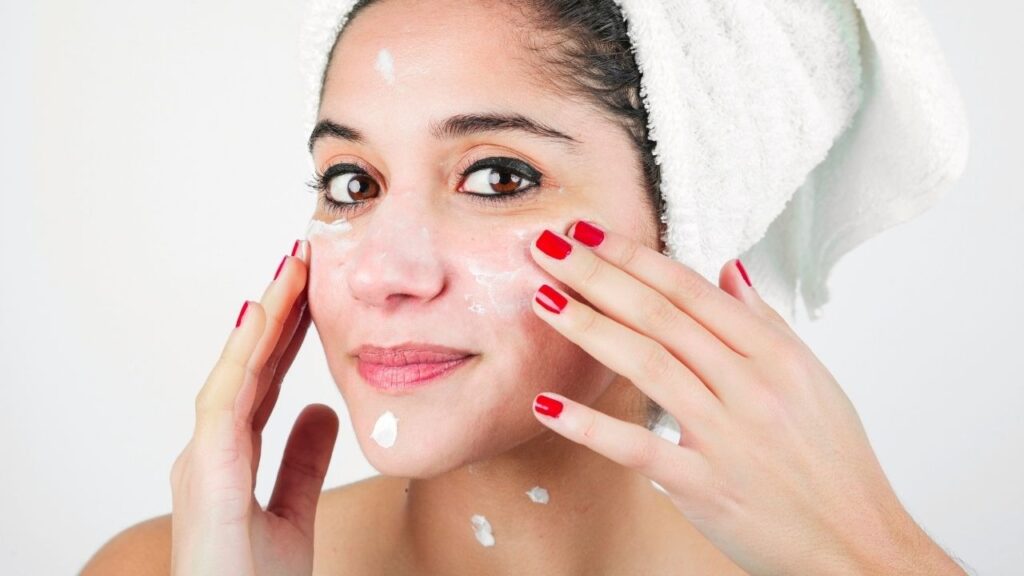
Start with freshly cleansed, slightly damp skin to improve active ingredient absorption. Use a pea-sized amount and press it gently into pigmented areas instead of rubbing aggressively, which can trigger more inflammation.
A Simple Daily Routine That Actually Works
Follow this evidence-based routine to get the most from your treatment:
- Cleanse with a gentle, non-stripping formula morning and night
- Apply a hydrating toner or essence while skin is still damp
- Press a thin layer of brightening cream onto pigmented areas
- Wait 60 to 90 seconds for full absorption
- Lock everything in with a lightweight moisturizer
- Finish with broad-spectrum SPF 30 or higher every morning, no exceptions
Real-World Tips From Skincare Professionals
Always patch-test a new product on your inner forearm for 48 hours before applying it to your face. This small habit has saved countless users from unwanted reactions on visible areas like the cheeks or forehead.
Avoid stacking strong actives such as retinol, benzoyl peroxide, or high-percentage exfoliating acids in the same routine as a new brightening cream. Give your skin two to four weeks to acclimate before layering other treatments to reduce irritation risk.
Why Sunscreen Is Non-Negotiable With Any Brightening Treatment
UV exposure is the number one driver of melanin production, so treating dark spots without daily sunscreen is like trying to drain a bathtub while the tap is still running. The American Academy of Dermatology recommends a broad-spectrum, water-resistant sunscreen with at least SPF 30 applied every single day and reapplied every two hours during outdoor activity.
Visible light, including blue light from phone and laptop screens, also worsens melasma and post-inflammatory hyperpigmentation, especially in medium-to-deep skin tones. This is why many dermatologists now recommend tinted mineral sunscreens that contain iron oxides for extra protection.
Realistic Timelines for Visible Improvement
Most users notice early brightening within 4 to 6 weeks of consistent twice-daily use. Deeper or older pigmentation such as decade-old sun spots or hormonal melasma may need 12 weeks or longer.
Patience matters more than potency here. Skin cell turnover takes roughly 28 days in young adults and can stretch to 45 to 60 days after age 40, so visible fading naturally follows that biological timeline.

Precautions, Side Effects, and Who Should Skip It
While most skin-brightening formulas are well tolerated, certain groups should approach them with extra caution. Pregnant or breastfeeding women should avoid any product containing hydroquinone, high-dose retinoids, or salicylic acid above 2 percent.
If you have rosacea, active eczema, or a compromised skin barrier, consult a board-certified dermatologist before starting treatment. Some actives such as kojic acid and high-strength vitamin C can temporarily cause redness, tingling, or stinging in sensitive skin.
Signs You Should Stop and Seek Professional Help
Persistent burning, unusual darkening of the treated area (known as paradoxical hyperpigmentation), or cracked skin should prompt you to pause use and consult a professional. Adjusting frequency or switching to a gentler active typically resolves the issue within a few days.
Final Thoughts on Choosing a Smart Brightening Routine
A quality pigmentation product can genuinely transform uneven skin tone when paired with consistent use, a strong ingredient list, and diligent photoprotection. The real power of any formula, including Spot Off Freckle Whitening Cream, lies in the synergy between science-backed actives, routine discipline, and daily SPF 30 or higher.
Brighter, clearer skin is absolutely achievable, but it is a marathon, not a sprint. If you notice sudden changes in any pigmented area, always consult a board-certified dermatologist, since rare conditions such as melanoma can sometimes mimic harmless dark spots.
How long does it take to see results from a freckle-fading cream?
Most users notice brighter, more even skin within 4 to 6 weeks of consistent twice-daily application. Deeper pigmentation like melasma or older sun spots usually takes 8 to 12 weeks, and stubborn cases can need up to 6 months paired with strict sun protection.
Can I use a brightening cream with retinol or vitamin C?
Yes, but introduce them gradually. Apply your brightening cream in the morning and retinol at night, then slowly build tolerance. Sandwich strong actives between hydrating layers to reduce irritation risk.
Is this type of cream safe during pregnancy?
Many lightening ingredients are not pregnancy-safe. Avoid hydroquinone, high-dose retinoids, and salicylic acid above 2 percent. Azelaic acid, niacinamide, and vitamin C are widely considered safer choices, but always confirm with your obstetrician first.
What is the difference between freckles and melasma?
Freckles are small, flat, light-brown spots triggered mostly by sun exposure and genetics. Melasma is a larger, patchy, symmetrical discoloration driven by hormones and is harder to treat. Both respond to pigment-blocking actives, but melasma usually needs longer treatment and stricter sun avoidance.
Can I skip sunscreen if I stay indoors most of the day?
No. UVA rays pass through windows, and visible light from screens and indoor lighting still stimulates melanocytes in pigment-prone skin. Daily broad-spectrum SPF is essential even for remote workers and homebodies.