Skin treatments for fine lines have evolved dramatically over the past decade, giving women and men access to solutions that were once limited to celebrity dermatologists. Whether you are dealing with early crow’s feet or deeper forehead creases, today’s options range from affordable drugstore serums to clinical-grade procedures backed by peer-reviewed research.
The global anti-aging market reached an estimated $77.96 billion in 2025 and is projected to surpass $149 billion by 2035, according to Precedence Research. That explosive growth reflects a simple truth: more people than ever are investing in their skin, and science is keeping pace with demand.
This guide breaks down every major treatment category, shares clinical data you can trust, and offers practical advice so you can choose the right path for your complexion, budget, and lifestyle.
Table of Contents
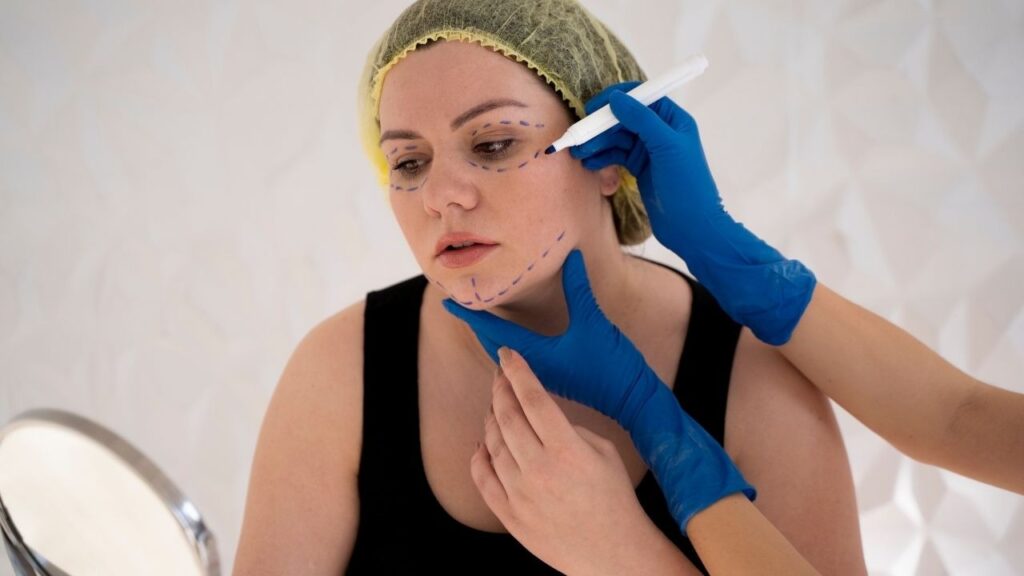
Why Fine Lines Form and What Speeds Them Up
The Role of Collagen Decline
After the age of 25, your body produces roughly one percent less collagen each year. By the time you reach 50, nearly half of the collagen in your dermis has been lost. This steady decline weakens the structural scaffolding that keeps skin firm and smooth.
Elastin fibers also degrade over time, reducing the skin’s ability to snap back after expressions like smiling or squinting. The combined loss of collagen and elastin is the primary biological driver behind fine lines and wrinkles.
Environmental and Lifestyle Triggers
Ultraviolet radiation is the single largest external accelerator of skin aging, responsible for up to 80 percent of visible facial aging according to dermatology research. UV rays break down collagen fibers and generate free radicals that damage cellular DNA.
Other factors include smoking, which restricts blood flow to the skin, chronic stress that elevates cortisol levels, poor sleep quality, high sugar diets that cause glycation, and prolonged exposure to blue light from screens. Addressing these triggers is the first step before any treatment can deliver optimal results.
Topical Solutions Dermatologists Recommend First
Retinoids: The Gold Standard Ingredient
Retinoids remain the most extensively studied topical anti-aging ingredient in dermatology. Prescription-strength tretinoin accelerates cell turnover, stimulates new collagen synthesis, and can reduce the appearance of fine lines within eight to twelve weeks of consistent nightly use.
Over-the-counter retinol is a milder alternative that converts to retinoic acid within the skin. It takes longer to show results, typically three to six months, but causes less irritation. Beginners should start with a concentration of 0.25 percent and gradually increase to 0.5 or one percent as tolerance builds.
Hyaluronic Acid and Peptide Serums
Hyaluronic acid can hold up to 1,000 times its weight in water, making it a powerful humectant that plumps fine lines almost instantly. Multi-weight formulas containing both low and high molecular weight molecules hydrate at different skin depths for better overall results.
Peptide serums work by sending chemical signals to fibroblasts, encouraging them to ramp up collagen production naturally. Matrixyl (palmitoyl pentapeptide-4) is one of the most researched peptides, with studies showing measurable wrinkle depth reduction after two months of daily application.
Vitamin C and Antioxidant Defense
Vitamin C accounted for a dominant share of 18.9 percent of the global anti-wrinkle products revenue in 2025, according to Grand View Research. Its popularity is well deserved: L-ascorbic acid neutralizes free radicals, brightens uneven tone, and supports the cross-linking of collagen fibers.
For maximum efficacy, look for a stabilized vitamin C serum at 10 to 20 percent concentration, ideally paired with vitamin E and ferulic acid. Apply it every morning before sunscreen to create a protective antioxidant shield throughout the day.
Professional Procedures for Visible Results
Chemical Peels
Chemical peels dissolve dead skin cells using controlled acid solutions, revealing fresher and smoother layers beneath. Superficial peels with glycolic or lactic acid require zero downtime and are ideal for beginners targeting early aging signs.
Medium-depth peels using trichloroacetic acid (TCA) penetrate deeper, addressing more established lines and uneven pigmentation. These typically require three to seven days of peeling and redness. A series of four to six sessions spaced four weeks apart delivers the best cumulative improvement.
Microneedling: Collagen Induction Therapy
Microneedling creates hundreds of tiny controlled punctures in the skin, triggering the body’s natural wound-healing cascade. According to a study published in the International Journal of Dermatology (2008), patients who underwent microneedling experienced up to a 400 percent increase in collagen and elastin deposition within six months of treatment.
Four monthly sessions spaced four weeks apart are typically recommended for optimal collagen remodeling. The results can persist for five to seven years, making microneedling one of the most cost-effective professional anti-aging procedures available today.
Laser Resurfacing Options
Fractional laser therapy targets microscopic columns of skin while leaving surrounding tissue intact, which speeds recovery significantly. Ablative lasers like CO2 deliver the most dramatic results for deeper wrinkles, while non-ablative options suit people who need minimal downtime.
Most patients see noticeable smoothing after one to three sessions. Full results develop gradually over three to six months as new collagen fills in treated areas. Board-certified dermatologists generally recommend laser resurfacing for moderate to advanced fine lines that have not responded adequately to topical solutions alone.
Advanced Anti-Aging Technologies
Radiofrequency Skin Tightening
Radiofrequency (RF) devices deliver controlled heat energy deep into the dermis, causing existing collagen fibers to contract and stimulating the production of new ones. Treatments like Thermage and Venus Legacy are popular non-invasive options that require no needles or incisions.
A single RF session typically takes 30 to 60 minutes with zero downtime. Results appear gradually over two to six months. Many clinicians recommend pairing RF with microneedling through combination devices like Morpheus8 for enhanced tightening and texture refinement.
Injectable Wrinkle Reducers
Neuromodulators
Botulinum toxin injections (commonly known by brand names like Botox, Dysport, and Xeomin) temporarily relax the facial muscles responsible for dynamic wrinkles. The procedure takes about 10 minutes, and results last three to four months on average.
These injectables are most effective on forehead lines, crow’s feet, and frown lines between the eyebrows. Starting preventive injections in your late twenties or early thirties can slow the progression of dynamic wrinkles before they become etched into the skin at rest.
Dermal Fillers
Hyaluronic acid-based fillers like Juvederm and Restylane physically restore lost volume beneath fine lines and folds. Results are immediate, and most formulations last between six and eighteen months depending on the product and treatment area.
Newer bio-stimulatory fillers such as Sculptra and Radiesse trigger your own collagen production over time, offering longer-lasting structural support. A qualified injector will assess your facial anatomy and recommend the right filler type for natural-looking rejuvenation.
Treatment Comparison at a Glance
The table below summarizes key differences between the most popular wrinkle-reducing treatments to help you make an informed decision.
| Treatment | Best For | Results Timeline | Downtime | Longevity |
| Retinoids | Early fine lines | 8–12 weeks | None | Ongoing use |
| Chemical Peels | Texture and tone | 1–4 weeks | 0–7 days | 3–6 months |
| Microneedling | Collagen restoration | 4–6 weeks per session | 1–3 days | 5–7 years |
| Laser Resurfacing | Moderate to deep lines | 3–6 months | 3–14 days | 1–5 years |
| Botulinum Toxin | Dynamic wrinkles | 3–7 days | None | 3–4 months |
| Dermal Fillers | Volume loss and folds | Immediate | 1–2 days | 6–18 months |
How to Choose the Right Approach for Your Skin
Selecting an effective wrinkle reduction strategy depends on several personal factors. Your age, skin type, severity of lines, budget, and tolerance for downtime all play a role. Here is a practical framework to guide your decision.
- Assess your skin condition honestly. Mild surface lines often respond well to retinoids and vitamin C alone, while deeper creases may need professional intervention.
- Determine your realistic budget. Topical solutions cost $20 to $100 per month, while professional treatments range from $200 to $3,000 per session.
- Consider downtime tolerance. If you cannot take time off work, non-invasive options like RF tightening or neuromodulators are your best fit.
- Consult a board-certified dermatologist for a personalized assessment. Professional evaluation ensures you avoid wasting money on treatments unsuitable for your skin type.
- Think long-term. The most effective strategies combine daily topical care with periodic professional treatments for sustained results.
Maximizing and Maintaining Your Results
Even the most advanced wrinkle-reducing procedures will underperform without proper aftercare and daily maintenance. Your routine between sessions determines how long results last and how much improvement you actually see.
- Apply broad-spectrum SPF 30 or higher every single morning, even on cloudy days. UV exposure remains the number one saboteur of anti-aging treatment results.
- Stay hydrated by drinking at least eight glasses of water daily. Internal hydration supports skin barrier function and plumpness from within.
- Avoid smoking and limit alcohol intake. Both habits accelerate collagen breakdown and reduce blood flow to the skin.
- Follow your dermatologist’s specific aftercare instructions carefully. Each treatment has unique recovery protocols that affect outcome quality.
- Be patient and consistent. Most collagen-boosting treatments need three to six months for peak results, and maintenance sessions extend their benefits significantly.
Combining multiple approaches is often the most effective strategy. A practical example would be using a nightly retinoid serum, a morning vitamin C and sunscreen routine, quarterly microneedling sessions, and preventive neuromodulator injections twice a year. This layered protocol addresses aging from multiple biological angles simultaneously.
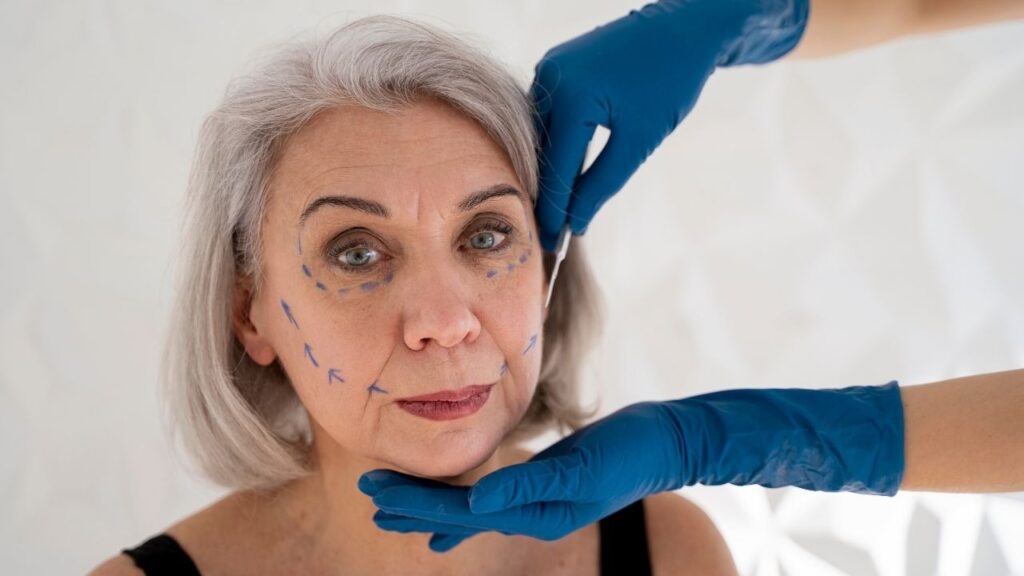
Final Thoughts on Achieving Smoother, Younger Skin
The science of wrinkle reduction has never been more accessible or more effective. From proven topical ingredients like retinoids and vitamin C to professional procedures such as microneedling and laser resurfacing, there is a solution for every skin type, concern level, and budget.
The key is to start with a solid daily routine, protect your skin from UV damage religiously, and consult a board-certified dermatologist before pursuing any clinical procedure. With patience, consistency, and the right combination of treatments, achieving visibly smoother and healthier skin is a realistic goal at any age.
What is the most effective non-invasive treatment for fine lines?
Microneedling is widely regarded as one of the most effective non-invasive options. Clinical studies show it can boost collagen and elastin production by up to 400 percent within six months, with results lasting five to seven years when combined with proper aftercare and maintenance sessions.
At what age should I start anti-aging treatments?
Most dermatologists recommend beginning a basic prevention routine in your mid-twenties, when collagen production starts declining. This includes daily sunscreen, a vitamin C serum, and a gentle retinol product. Professional treatments can be introduced in your late twenties or early thirties depending on your skin’s needs.
How long do results from professional treatments last?
It varies widely by treatment type. Neuromodulators like Botox last three to four months, dermal fillers six to eighteen months, and collagen induction therapies like microneedling and laser resurfacing can produce improvements lasting one to seven years. Maintenance sessions extend all of these timelines.
Can I combine multiple treatments at the same time?
Yes, combination therapy is a standard practice in modern aesthetic dermatology. However, treatments must be sequenced and spaced properly to avoid overstressing the skin. Your dermatologist will design a protocol that layers compatible treatments for synergistic results without increasing risk.
Are at-home microneedling devices as effective as professional ones?
Home devices use shorter needles (typically 0.2 to 0.5 millimeters) and are better suited for enhancing product absorption rather than stimulating deep collagen remodeling. Professional devices with 1.0 to 2.5 millimeter needles reach the dermis where significant collagen induction occurs. For meaningful wrinkle reduction, clinical-grade treatments remain superior.
Is there any risk of scarring from laser or microneedling treatments?
When performed by a qualified practitioner using appropriate settings, the risk of scarring is extremely low. These procedures create controlled micro-injuries designed to trigger healing, not damage. Proper aftercare including sun avoidance and hydration further minimizes any adverse outcomes.