Finding the right rough face treatment starts with understanding why your skin feels uneven, bumpy, or coarse in the first place. Nearly everyone deals with textured skin at some point, whether it shows up as dry patches, enlarged pores, or a sandpaper-like feel that no amount of moisturizer seems to fix.
The frustrating part is not the problem itself but the overwhelming number of products and routines that promise results without delivering them. This guide cuts through the noise. Every recommendation below is backed by dermatological research, clinical trial data, and real-world results that practitioners see in their offices every day.
Table of Contents
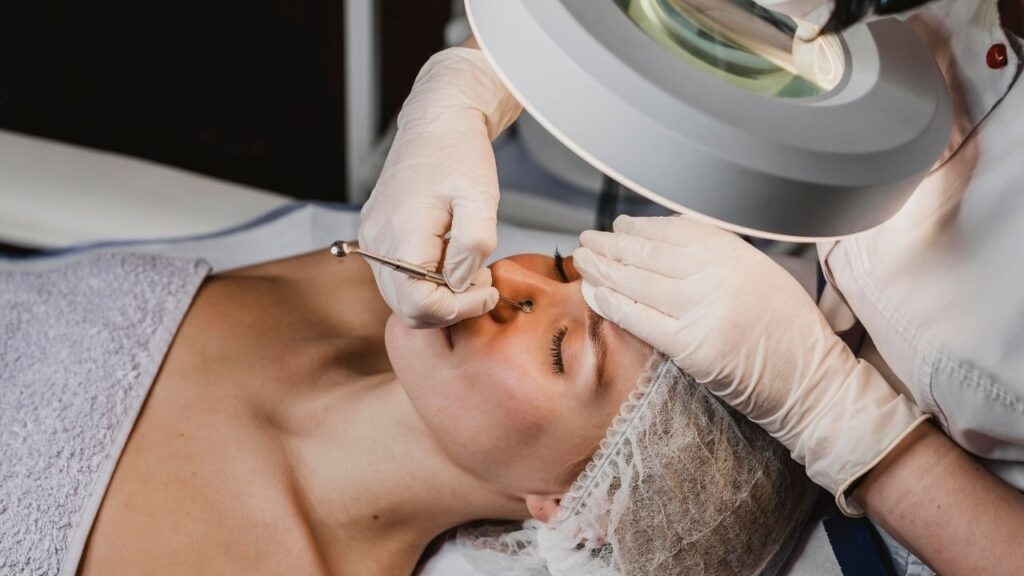
Why Your Facial Skin Feels Rough and Textured
Dead Skin Cell Buildup and Slow Cell Turnover
Your skin naturally sheds about 30,000 to 40,000 dead cells every hour. When this shedding process slows down due to aging, dehydration, or environmental stress, those cells accumulate on the surface. The result is a dull, rough complexion that feels uneven to the touch.
After age 30, cell turnover begins declining at a rate of roughly 7% per decade, according to dermatological research published in the Journal of Clinical and Aesthetic Dermatology. This means dead skin lingers longer, creating that coarse texture many people notice in their 30s and 40s.
Environmental Damage and Barrier Dysfunction
UV radiation, pollution, and extreme weather gradually weaken your skin’s protective barrier. When this barrier is compromised, moisture escapes more quickly, and irritants penetrate more easily. Both of these factors contribute directly to rough, uneven texture.
Chronic sun exposure also breaks down collagen and elastin, the proteins responsible for keeping skin smooth and firm. Without consistent sun protection, even the best skincare routine will struggle to maintain a refined texture.
Underlying Skin Conditions
Conditions like keratosis pilaris, eczema, and seborrheic dermatitis create persistent roughness that standard moisturizers cannot resolve. Keratosis pilaris alone affects approximately 50% to 80% of adolescents and around 40% of adults worldwide, making it one of the most common causes of bumpy, textured skin (National Library of Medicine).
Hormonal fluctuations, particularly during pregnancy, menopause, or thyroid imbalances, can also trigger sudden changes in skin texture that seem to appear out of nowhere.
Chemical Exfoliation: The Foundation of Texture Correction
Alpha Hydroxy Acids for Surface Renewal
Chemical exfoliation has become the cornerstone of modern rough face treatment strategies, and alpha hydroxy acids (AHAs) lead the category. Glycolic acid, the smallest AHA molecule, penetrates skin most effectively and has the strongest body of clinical evidence behind it.
A double-blind randomized clinical trial published in Dermatologic Surgery found that participants using 10% glycolic acid for 12 weeks showed measurable increases in both epidermal thickness and dermal collagen density (PubMed). A separate 12-week study published in the Journal of Cosmetic Dermatology demonstrated significant improvement in skin texture, tone homogeneity, and post-inflammatory hyperpigmentation starting at week four (Wiley Online Library).
For beginners, concentrations between 5% and 8% applied every other day offer a safe starting point. Oily and acne-prone skin types can gradually work up to 10% to 15% formulations for deeper exfoliation.
Beta Hydroxy Acids for Pore Congestion
Salicylic acid, the primary beta hydroxy acid (BHA), works differently from AHAs because it is oil-soluble. This allows it to penetrate into clogged pores and dissolve the sebum and debris causing bumpy texture beneath the surface.
For skin that feels rough primarily due to blackheads, whiteheads, or congestion around the nose and chin, a 2% salicylic acid treatment applied in the evening can produce noticeable smoothing within two to three weeks. Dermatologists often recommend alternating AHAs and BHAs on different nights to address both surface roughness and deeper congestion simultaneously.
Retinoid Therapy: The Gold Standard for Skin Renewal
How Retinoids Transform Textured Skin
Retinoids remain the most extensively researched category of active ingredients for improving skin texture. These vitamin A derivatives work by accelerating cell turnover, stimulating collagen synthesis, and normalizing the way skin cells mature and shed.
A pilot study published in Aesthetic Surgery Journal found that participants applying a retinol-based topical once daily for 42 days experienced significant improvement in surface roughness, visible pores, and dehydration scores across all assessment domains (National Library of Medicine). The study used both physician-evaluated and patient-reported outcomes to confirm the results.
Choosing the Right Retinoid Strength
Not all retinoids are created equal. Here is a practical progression for addressing uneven skin texture:
- Retinol (0.25% to 0.5%): Best for beginners and sensitive skin types, available over the counter, with visible texture improvement typically appearing after 8 to 12 weeks of consistent use.
- Retinaldehyde (0.05% to 0.1%): One step closer to the active form, faster results than retinol with slightly less irritation than prescription options.
- Tretinoin (0.025% to 0.1%): Prescription-strength retinoid with the strongest clinical evidence, capable of producing measurable changes in skin architecture within four to six weeks.
- Adapalene (0.1% to 0.3%): Originally designed for acne, now widely used for texture correction due to its favorable tolerability profile.
Starting low and increasing gradually prevents the retinization period from derailing your progress. Most dermatologists recommend applying retinoids every third night for two weeks, then every other night, before moving to nightly use.
Professional Treatments That Deliver Measurable Results
Chemical Peels for Accelerated Resurfacing
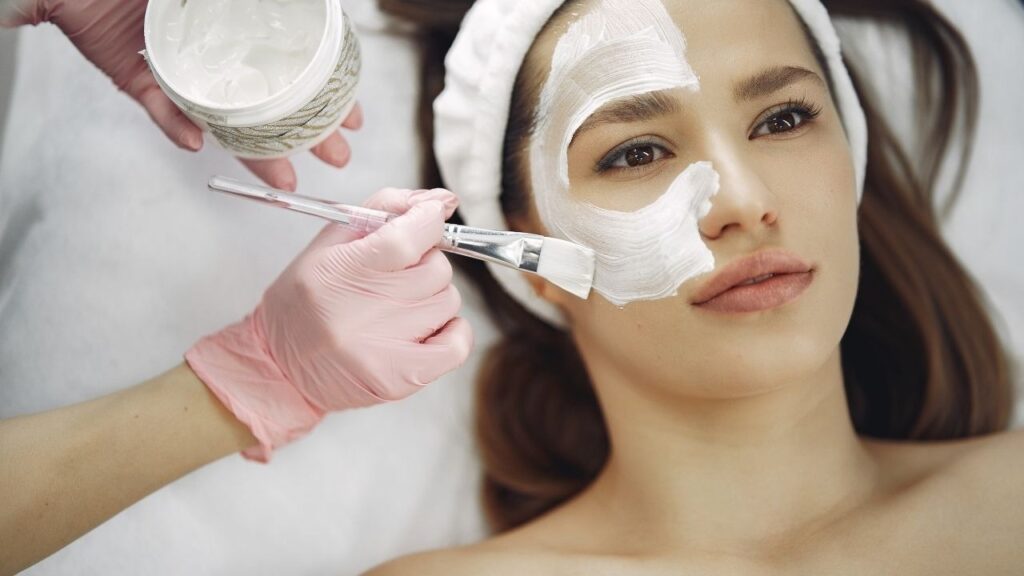
Professional chemical peels offer a concentrated approach to skin smoothing that home products cannot replicate. By applying controlled acid solutions at higher concentrations than consumer products, dermatologists can remove damaged outer layers and stimulate deep cellular renewal in a single session.
Superficial peels using 20% to 35% glycolic acid are suitable for mild roughness and require no downtime. Medium-depth peels with trichloroacetic acid (TCA) address more significant texture issues but involve three to seven days of visible peeling. A series of four to six superficial peels spaced two to four weeks apart typically produces cumulative results that patients can see and feel.
Microneedling for Collagen Remodeling
Microneedling has rapidly become one of the most effective in-office procedures for textured skin. The technique works by creating thousands of controlled micro-injuries that trigger the body’s wound-healing response, leading to new collagen and elastin production.
A review published in the Journal of Clinical and Aesthetic Dermatology found that patients reported a 40% to 50% improvement in skin texture and 80% to 85% overall satisfaction after six sessions over three months (National Library of Medicine). Histological studies have shown that collagen and elastin deposition can increase by up to 400% at six months post-treatment (National Library of Medicine).
When microneedling is combined with topical growth factor serums or platelet-rich plasma (PRP), a randomized controlled trial demonstrated even greater improvements in skin texture and hydration compared to microneedling alone (National Library of Medicine).
Building a Daily Routine for Smoother Skin at Home
Morning Protection Protocol
Your morning routine should prioritize barrier defense and hydration rather than active treatment. Cleanse with a gentle, pH-balanced formula that does not strip natural oils. Follow with a vitamin C serum (10% to 20% L-ascorbic acid) to neutralize free radical damage and support collagen synthesis throughout the day.
Apply a lightweight moisturizer containing hyaluronic acid or ceramides, then finish with a broad-spectrum SPF 30 or higher sunscreen. Sun protection is nonnegotiable when treating uneven texture because UV exposure accelerates the very damage you are trying to reverse.
Evening Treatment Protocol
Nighttime is when active ingredients do their heaviest lifting. After double cleansing to remove sunscreen and daily grime, apply your chosen exfoliant (AHA or BHA) or retinoid on alternating nights. Wait two to three minutes for the treatment to absorb before layering a hydrating serum with niacinamide (3% to 5%), which strengthens the skin barrier while refining pore appearance.
Seal everything with a richer night cream containing ceramides or squalane. These occlusive ingredients prevent moisture loss overnight and support the skin repair cycle that peaks between 11 PM and 2 AM.
Essential Ingredients for Treating Rough, Textured Skin
Choosing the right active ingredients makes the difference between a routine that works and one that wastes your time. These five compounds have the strongest clinical backing for smoothing uneven facial texture:
- Glycolic acid dissolves the bonds holding dead cells together and improves epidermal turnover by up to 54% in clinical settings.
- Niacinamide (vitamin B3) strengthens the skin barrier, reduces transepidermal water loss, and refines texture without irritation.
- Hyaluronic acid draws moisture into dehydrated skin, plumping the surface and smoothing fine roughness caused by dryness.
- Ceramides restore the lipid layer that keeps skin smooth, flexible, and resistant to environmental irritants.
- Urea (5% to 10%) provides both gentle exfoliation and deep hydration, making it especially effective for stubborn rough patches.
Lifestyle Habits That Directly Affect Skin Texture
Nutrition and Hydration
What you eat shows up on your face more than most people realize. Diets rich in omega-3 fatty acids (found in salmon, walnuts, and flaxseed) support the lipid barrier that keeps skin smooth. Antioxidant-rich foods like berries, leafy greens, and bell peppers help neutralize oxidative stress that contributes to premature texture changes.
A 2023 randomized controlled trial published in the Journal of Clinical Medicine found that participants following a structured fasting-mimicking diet showed significantly better skin hydration maintenance and less increase in surface roughness compared to the control group over 71 days (National Library of Medicine).
Drinking adequate water, typically 2 to 3 liters daily depending on activity level and climate, keeps skin cells plump and supports the enzymatic processes needed for healthy cell turnover.
Sleep and Stress Management
During deep sleep stages, your body releases human growth hormone, which drives cellular repair and collagen synthesis. Consistently getting fewer than seven hours of sleep disrupts this process and accelerates visible skin aging, including increased roughness and dullness.
Chronic stress elevates cortisol levels, which breaks down collagen, impairs barrier function, and triggers inflammatory skin responses. Incorporating stress-reduction practices like regular exercise, meditation, or even brief daily walks can produce measurable improvements in skin quality over time.
Common Mistakes That Make Rough Skin Worse
Over-Exfoliating
One of the most frequent errors is using too many exfoliating products at once. Combining a glycolic acid toner with a salicylic acid cleanser and a retinoid serum in the same routine strips the barrier, triggers inflammation, and paradoxically makes skin rougher and more sensitive.
Stick to one active exfoliant per evening session. If you use a retinoid, skip the AHA or BHA that night. Rotating treatments on alternate nights produces better long-term results with far less irritation.
Skipping Sunscreen
UV damage is the single greatest external contributor to rough, uneven texture. Every active ingredient discussed in this article, from glycolic acid to retinoids, increases photosensitivity. Using these treatments without daily SPF 30+ protection undermines your results and can worsen the problem.
When to See a Dermatologist
If you have followed a consistent rough face treatment routine for 8 to 12 weeks without noticeable improvement, it is time to consult a board-certified dermatologist. Persistent roughness may indicate an underlying condition like rosacea, fungal infection, or contact dermatitis that requires targeted medical treatment.
Dermatologists can also prescribe stronger formulations, perform professional procedures, and create customized treatment plans based on your specific skin type, concerns, and goals. Investing in a professional evaluation often saves months of trial and error with over-the-counter products.
What is the fastest way to smooth rough skin on your face?
Chemical exfoliation with glycolic acid (8% to 10%) produces the quickest visible results for most people. Clinical studies show noticeable texture improvement within two to four weeks of consistent use. For faster results, an in-office chemical peel can produce smoother skin in a single session with minimal downtime.
Can rough facial skin be permanently fixed?
The underlying causes of rough skin, such as slow cell turnover and environmental damage, are ongoing processes. While treatments like retinoids and microneedling produce long-lasting structural improvements through collagen remodeling, maintaining smooth skin requires a consistent routine that includes exfoliation, hydration, and sun protection.
Is microneedling better than chemical peels for rough skin?
Both are effective, but they work through different mechanisms. Chemical peels dissolve and remove damaged surface layers, while microneedling stimulates deeper collagen production. Many dermatologists combine both approaches for comprehensive rough face treatment, using peels for surface refinement and microneedling for structural remodeling.
How often should I exfoliate rough facial skin?
For chemical exfoliants, two to three times per week is sufficient for most skin types. Over-exfoliating damages the skin barrier and worsens roughness. If you use a retinoid, count those application nights as exfoliation days and adjust your AHA or BHA schedule accordingly.
What causes sudden roughness on the face?
Sudden texture changes are commonly triggered by seasonal weather shifts, new skincare products, hormonal fluctuations, medication side effects, or allergic reactions. If roughness appears suddenly without an obvious cause and persists beyond two weeks, consult a dermatologist to rule out conditions like contact dermatitis or fungal infections.