A pore reducing moisturiser is a targeted facial cream that hydrates your skin while actively minimising the appearance of enlarged pores through ingredients like niacinamide, salicylic acid, and retinol. If visible pores have been bothering you every time you look in the mirror, the right moisturiser can make a noticeable difference within just a few weeks of consistent use.
Enlarged pores rank among the most common skincare frustrations worldwide. They affect people across all skin types, though oily and combination skin tends to show them more prominently. The good news? You do not need expensive treatments or clinic visits to see improvement. A well formulated pore minimising moisturiser, used as part of a daily routine, can visibly tighten and smooth your skin’s texture over time.
According to Mordor Intelligence, the worldwide skincare industry is valued at $162.11 billion in 2025 and is expected to reach $222.07 billion by 2030, and pore care products represent one of the fastest growing subcategories within that space. Grand View Research reports that face creams and moisturisers alone account for a 41.9% share of the skincare products market, which tells you just how central a good moisturiser is to most people’s daily routine.
This guide covers everything you need to know about choosing, using, and getting the most out of a pore tightening moisturiser.
Table of Contents
What Causes Enlarged Pores?
Enlarged pores develop when the tiny openings on your skin’s surface stretch beyond their normal size, usually due to excess oil, clogged debris, or a loss of skin elasticity. Understanding the root cause helps you pick the most effective pore refining cream for your situation.
Several factors contribute to visible pores:
Excess sebum production: When your oil glands work overtime, the extra sebum pools inside pores and stretches them out. This is why people with oily skin often notice larger pores across their nose, cheeks, and forehead.
Aging and collagen loss: As collagen levels decline with age, the supportive structure around each pore weakens. This makes them sag and appear wider, even if your skin is not particularly oily.
Sun damage: Prolonged UV exposure breaks down collagen and elastin fibres in the skin. Over the years, this leads to a loss of firmness that makes pores look more pronounced.
Genetics: Your pore size is partly determined by your DNA. If your parents have visibly large pores, you are more likely to deal with the same concern.
Clogged pores and blackheads: When dead skin cells, dirt, and oil accumulate inside a pore, they physically expand it. Regular cleansing and exfoliation help prevent this buildup.
How Does a Pore Reducing Moisturiser Actually Work?
A pore reducing moisturiser works by combining hydration with active ingredients that regulate oil production, promote cell turnover, and strengthen the skin’s structural support around each pore. The result is skin that looks tighter, smoother, and more refined.
Unlike a basic moisturiser that only adds hydration, a pore minimising formula targets multiple causes of visible pores at once. It controls the oil that stretches pores, clears the debris that clogs them, and boosts collagen to firm up the surrounding tissue.
What truly sets these formulas apart is the active ingredients inside them. Standard moisturisers rely mainly on humectants and emollients for hydration. Pore targeting moisturisers go further by incorporating actives such as niacinamide, BHAs, AHAs, and retinoids that actively reshape how your skin looks and behaves.
Key Ingredients to Look for in a Pore Minimising Moisturiser
Choosing the right pore shrinking moisturiser comes down to reading the ingredient list. Here are the most effective actives backed by research:
Niacinamide (Vitamin B3)
Niacinamide is arguably the most popular ingredient in pore care products right now, and for good reason. Research published in the Journal of Cosmetic Dermatology showed that applying niacinamide topically led to a notable drop in sebum production within just four weeks. Less oil means less pore congestion and a visibly smoother complexion.
A 2024 review published in the journal Antioxidants (PMC) confirmed that niacinamide demonstrates proven efficacy in acne treatment and sebum reduction, while also helping preserve collagen and promote elastin production. This dual action of controlling oil and strengthening the skin’s framework makes it especially effective in a pore reducing moisturiser.
Research suggests that concentrations of 5% or higher deliver the best results for pore appearance. According to World of Asaya, one study found that 5% niacinamide applied twice daily for 12 weeks led to significant improvements in pore appearance and overall skin texture. Most people begin noticing texture improvements within two to four weeks, though full results typically take eight to twelve weeks of consistent use.
Salicylic Acid (BHA)
Salicylic acid is a beta hydroxy acid that dissolves oil and dead cells trapped inside pores. Unlike water soluble exfoliants, it is oil soluble, meaning it can penetrate deep into pore linings to clear out congestion from the inside. That quality makes it especially powerful at clearing blackheads and unclogging congested pores.
For a daily moisturiser, look for formulations containing 0.5% to 2% salicylic acid. This range provides effective exfoliation without over drying or irritating the skin barrier.
Retinol (Vitamin A)
Retinol accelerates cell turnover, which helps prevent dead skin from accumulating inside pores. Over time, it also stimulates collagen production, firming the tissue around each pore and making them appear tighter. Retinol based pore reducing creams tend to deliver more dramatic long term results, though they require a gradual introduction to avoid irritation.
Hyaluronic Acid
While hyaluronic acid does not shrink pores directly, it plays a supporting role by deeply hydrating the skin. When your skin is properly moisturised, it appears plumper, and plumper skin naturally makes pores look smaller. It also helps balance oil production because well hydrated skin is less likely to overproduce sebum as a compensatory response.
How to Choose the Best Pore Reducing Moisturiser for Your Skin Type
The best pore reducing moisturiser for you depends entirely on your skin type, because a formula that works beautifully on oily skin can feel heavy and greasy on someone with a dry complexion. Matching the right texture and ingredients to your skin’s specific needs is what separates real results from wasted money.
Oily Skin
If your skin produces excess shine throughout the day, look for a lightweight, oil free pore minimising moisturiser with a gel or water based texture. Ingredients like niacinamide and salicylic acid work well here because they regulate sebum while keeping pores clear. Avoid thick, cream based formulas that can trap oil underneath and make congestion worse.
Dry Skin
Dry skin still benefits from pore refining ingredients, but the delivery system matters. Choose a richer cream formula that pairs actives like niacinamide with deeply hydrating ingredients such as hyaluronic acid, ceramides, and squalane. This combination addresses visible pores without stripping away the moisture your skin desperately needs.
Combination Skin
Combination skin calls for a balanced approach. A medium weight lotion that hydrates dry patches while controlling oil in the T zone is ideal. Multi zone application also works well. Apply a lighter pore tightening gel on oily areas and a more nourishing formula on drier cheeks.
Sensitive Skin
Sensitive skin can still tolerate pore minimising ingredients when they are formulated gently. Start with lower concentrations of actives, particularly niacinamide at around 2% to 5%, and avoid products loaded with fragrance or alcohol. According to Revolution Beauty, niacinamide is considered a gentler alternative to ingredients like retinol, making it suitable for all skin types and ages.
Step by Step: How to Apply a Pore Reducing Moisturiser for Best Results
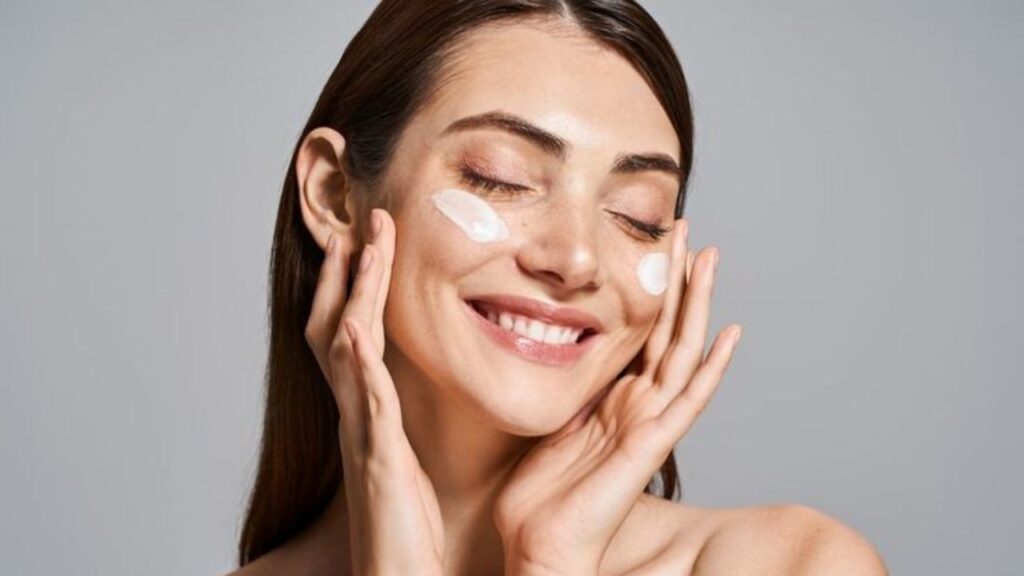
Getting the most out of your pore minimising moisturiser requires more than just slapping it on. The right application technique ensures maximum absorption and effectiveness.
- Cleanse first. Always start with a clean face. Use a gentle, non stripping cleanser to remove dirt, oil, and makeup so your moisturiser can actually reach the skin.
- Apply toner or serum. If you use a pore refining toner or a niacinamide serum, layer it underneath your moisturiser while your skin is still slightly damp. This boosts penetration.
- Use a pea sized amount. A little goes a long way. Take a small amount of your pore reducing cream and dot it across your forehead, cheeks, nose, and chin.
- Press, do not rub. Rubbing aggressively can irritate the skin and stretch pores over time.
- Finish with SPF in the morning. Sun damage is one of the leading causes of enlarged pores. Always seal your morning routine with a broad spectrum sunscreen of at least SPF 30.
Common Mistakes That Make Pores Look Bigger
Even with the right pore reducing moisturiser, certain habits can sabotage your progress. Avoid these pitfalls:
Skipping moisturiser entirely. Many people with oily skin skip moisturiser, thinking it will reduce pore size. This actually backfires because dehydrated skin overproduces oil to compensate, making pores look even larger.
Over exfoliating. Using too many acids or scrubs weakens your skin barrier and triggers inflammation, which makes pores more visible. Stick to gentle exfoliation two to three times per week.
Sleeping in makeup. Leaving makeup on overnight clogs pores with a mixture of product, oil, and environmental debris. This stretches them out and leads to blackheads.
Ignoring sunscreen. UV rays break down collagen around pores, causing them to lose their structure and appear wider. Fortune Business Insights projects the global skincare market to grow from $129.11 billion in 2026 to $227.13 billion by 2034, and sun protection products are among the fastest growing segments for this very reason.
Topical Range: What Else Helps Alongside a Pore Reducing Moisturiser?
A pore minimising moisturiser delivers the best results when paired with a complete routine. Consider adding these complementary products:
Clay masks (once or twice weekly): Draw out excess oil and impurities from deep within pores, giving your moisturiser a cleaner canvas to work on.
Chemical exfoliants: AHA or BHA toners used a few times per week speed up dead skin removal and prevent the buildup that clogs pores.
Vitamin C serums: These brighten overall skin tone and support collagen production, which tightens the tissue surrounding each pore.
Retinol treatments: For more stubborn pore concerns, adding a retinol product at night can accelerate cell turnover and provide more dramatic long term improvements.
Conclusion
Finding the right pore reducing moisturiser is not about chasing trends or buying the most expensive option on the shelf. It is about understanding your skin type, choosing proven ingredients like niacinamide, salicylic acid, and retinol, and using them consistently as part of a well rounded routine. Most people see meaningful improvement in pore appearance within eight to twelve weeks when they commit to the right formula and avoid common mistakes like over exfoliating or skipping sunscreen.
Your skin deserves a moisturiser that does more than just hydrate. Start by identifying your biggest pore concern, whether that is oiliness, clogging, or age related sagging, and choose a product that targets it directly. Have you already tried a pore minimising moisturiser that worked well for you? Share your experience in the comments below or pass this guide along to someone who has been struggling with visible pores.
Frequently Asked Questions
Can a moisturiser really reduce pore size?
A moisturiser cannot physically shrink the structure of your pores, but it can significantly reduce their visible appearance. Ingredients like niacinamide and salicylic acid control oil, clear congestion, and strengthen the skin around each pore, making them look noticeably smaller over time.
How long does it take for a pore reducing moisturiser to show results?
Most people start noticing smoother skin texture and less oiliness within two to four weeks of daily use. However, significant and lasting improvements in pore appearance generally require eight to twelve weeks of consistent application.
Should I use a pore reducing moisturiser if I have dry skin?
Yes, dry skin types can absolutely benefit from a pore minimising moisturiser. Choose a cream based formula that combines pore refining actives with hydrating ingredients like hyaluronic acid and ceramides so you get pore benefits without sacrificing moisture.
What percentage of niacinamide is best for minimising pores?
Research suggests that niacinamide concentrations of 5% or higher are most effective for visible pore improvement. If you have sensitive skin, starting at 2% to 3% and gradually increasing allows your skin to build tolerance without irritation.
Can I use a pore reducing moisturiser with retinol?
Yes, niacinamide based pore reducing moisturisers pair well with retinol. According to Paula’s Choice, niacinamide and retinol work together to minimise enlarged pores and even out skin tone with more dramatic combined results. Apply retinol first, let it absorb, and then layer your moisturiser on top.
Is it necessary to use sunscreen with a pore minimising moisturiser?
Absolutely. Sun damage is a major contributor to enlarged pores because UV exposure degrades collagen and elastin. Without daily sunscreen of at least SPF 30, even the most effective pore reducing moisturiser will struggle to deliver lasting improvements.