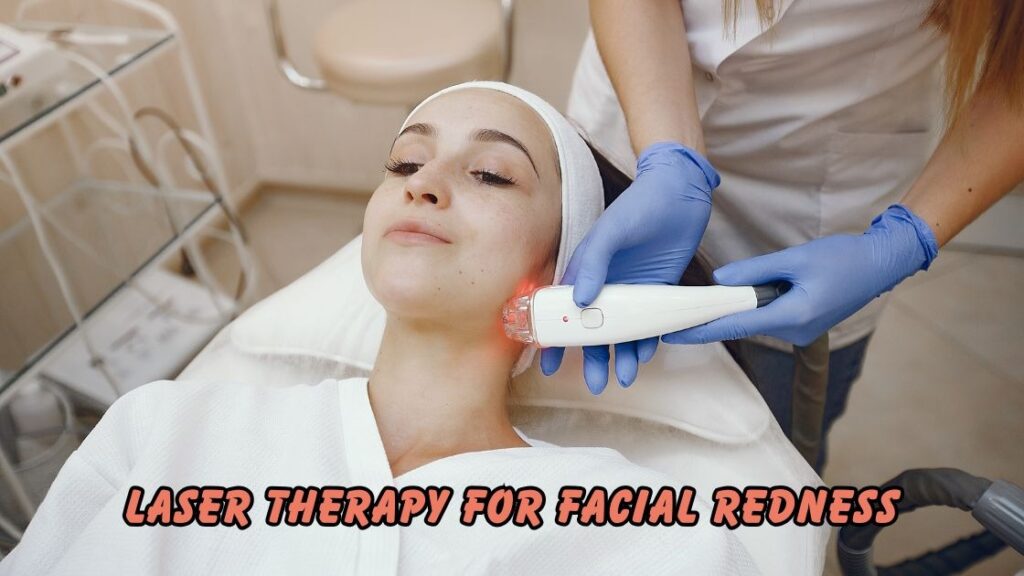
Laser therapy for facial redness is one of the most effective ways to reduce persistent flushing, visible blood vessels, and uneven skin tone caused by conditions like rosacea, sun damage, or aging. If topical creams, gentle skincare routines, and lifestyle changes have not given you lasting relief, laser treatments offer a targeted solution that works beneath the surface of your skin to address the root cause of redness.
According to the American Academy of Dermatology (AAD), patients who use lasers to treat visible blood vessels typically see a 50% to 75% reduction in symptoms after one to three sessions, with results that can last up to five years. That kind of outcome explains why dermatologists increasingly recommend light based procedures for people who struggle with chronic facial redness.
Facial redness is not just a cosmetic concern. Research from the Pierre Fabre ALL project found that 33% of rosacea patients feel excluded or rejected by others because of their skin, and 50% report difficulty sleeping. These numbers highlight why finding an effective, long lasting treatment matters so deeply to those living with this condition.
In this guide, you will learn how laser treatments work, which types are best suited for different skin concerns, who makes an ideal candidate, and what realistic results look like. Whether you are exploring your options for the first time or comparing specific devices, this article covers everything you need to make an informed decision.
Table of Contents
What Causes Facial Redness in the First Place?
Facial redness develops when small blood vessels near the skin’s surface become dilated or damaged. Once enlarged, these vessels become visible through the skin as a persistent flush, a web of tiny veins, or blotchy red patches.
Several conditions and triggers contribute to this problem.
Rosacea is the most common culprit behind chronic facial redness. A 2024 study published in the Journal of the American Academy of Dermatology (JAAD), which surveyed over 50,000 individuals across 20 countries, found an overall rosacea prevalence of roughly 5.1% worldwide. The same research showed that women are more affected than men, at 5.9% compared to 4.4%.
Other common causes include:
Sun damage: Years of UV exposure weakens blood vessel walls and triggers inflammation that leads to redness and broken capillaries on the cheeks, nose, and forehead.
Aging: Skin naturally thins over time, making underlying blood vessels more visible and the face more prone to a flushed appearance.
Hormonal changes: Pregnancy, menopause, and certain medications can trigger flushing episodes and vascular changes that persist long after the initial cause has passed.
Genetics: A family history of rosacea, sensitive skin, or conditions like seborrheic dermatitis increases the likelihood of developing persistent redness.
Other skin conditions: Contact dermatitis, lupus related skin inflammation, and eczema can also cause facial redness, though laser therapy may not be the first line treatment for every condition. A proper diagnosis from your dermatologist ensures the right approach.
Understanding your specific cause matters because it determines which laser approach will deliver the best results for your skin.
How Does Laser Therapy for Facial Redness Work?
Laser treatment for facial redness works by delivering concentrated light energy into the skin, where it is absorbed by hemoglobin, the protein inside red blood cells that gives them their color. When hemoglobin absorbs this light, it converts the energy into heat. That heat causes the walls of dilated or damaged blood vessels to collapse and seal shut. Over the following weeks, the body naturally reabsorbs these treated vessels, and the visible redness fades.
This process is called selective photothermolysis. The laser targets only the blood vessels without harming the surrounding tissue, which is why modern facial redness treatments come with minimal downtime and a strong safety profile.
A 2026 comprehensive review published in the Journal of Clinical Medicine confirmed that multiple laser and light based therapies demonstrate both clinical effectiveness and safety for treating rosacea related redness and telangiectasia (visible blood vessels).
Beyond eliminating visible vessels, many laser treatments also stimulate collagen production in the surrounding skin. This strengthens the skin’s structure over time, making it more resilient and less prone to future redness, irritation, and broken capillaries.
Types of Laser Treatments Used for Facial Redness
Not all lasers work the same way. Different devices use different wavelengths, pulse durations, and energy levels to target specific concerns. Here is a breakdown of the most widely used options for treating red skin on the face.
Pulsed Dye Laser (PDL)
The pulsed dye laser, commonly known by brand names like VBeam, is often considered the gold standard for treating vascular conditions on the face. It emits light at a wavelength (typically 595 nm) that is selectively absorbed by blood vessels.
According to Skin Matrx, VBeam stands out as one of the most effective options for rosacea, broken capillaries, and vascular issues that make skin look inflamed or blotchy, especially when topical treatments have not delivered results.
Patients typically need three to five sessions spaced a few weeks apart. Mild bruising or temporary redness after treatment is common but usually resolves within a week or two.
Intense Pulsed Light (IPL)
IPL is technically not a laser but a broad spectrum light device. It uses multiple wavelengths simultaneously, which allows it to treat redness, broken capillaries, and uneven pigmentation in a single session.
A 2024 meta analysis published in the Journal of Cosmetic Dermatology comparing IPL and PDL therapy found that both are effective for managing rosacea. The study noted that IPL may produce slightly stronger overall results, while PDL tends to cause less discomfort during treatment.
IPL is a popular choice for people dealing with both redness and sun related brown spots, since it addresses both pigment and vascular concerns at once. According to a 2026 cost guide by InjectCo, a full course of IPL treatment typically costs between $900 and $2,500 total.
Nd:YAG Laser
The Nd:YAG laser operates at a longer wavelength (1064 nm) that penetrates deeper into the skin. According to SEV Laser, this makes it particularly effective at reaching blood vessels in the dermis without damaging the surface layers of skin.
This laser type is also considered safer for a wider range of skin tones, including medium and darker complexions that may carry a higher risk of pigmentation changes with other laser types.
KTP Laser
The KTP (potassium titanyl phosphate) laser uses a 532 nm wavelength and is especially effective for treating superficial blood vessels and diffuse redness on the face. Comparative studies reviewed in the Journal of Clinical Medicine have shown that KTP lasers deliver results similar to PDL for reducing redness and telangiectasia, often with higher patient satisfaction and faster recovery times.
Quick Comparison Table: Best Lasers for Facial Redness
| Laser Type | Wavelength | Best For | Skin Tone Suitability | Typical Sessions |
| Pulsed Dye (PDL) | 595 nm | Broken capillaries, rosacea flush | Fair to medium | 3 to 5 |
| IPL | Broad spectrum | Redness plus pigmentation | Fair to medium | 3 to 6 |
| Nd:YAG | 1064 nm | Deeper vessels, darker skin tones | Fair to dark | 2 to 4 |
| KTP | 532 nm | Superficial redness, fine vessels | Fair to medium | 2 to 4 |
Your dermatologist will recommend the best laser for redness on your face based on the severity of your condition, your skin type, and whether you have additional concerns like pigmentation or scarring.
Emerging Laser Technologies for Facial Redness
The field of dermatological laser treatment continues to evolve. Two newer technologies are gaining attention among skin specialists.
DermaV Dual Wavelength Laser: According to Metropolis Dermatology, the DermaV laser uses dual wavelengths (532 nm and 1064 nm) to target both superficial and deeper blood vessels in a single treatment. It features built in cryogen cooling and real time temperature monitoring, making it a reliable option for patients with sensitive skin.
Pico Lasers: Originally designed for pigment removal, pico lasers are now being used for general skin rejuvenation. They deliver ultra short pulses that minimize heat damage and reduce recovery time. While they are not primarily vascular lasers, some clinics use them alongside PDL or IPL for comprehensive facial redness treatment.
These innovations offer more precision, greater comfort, and broader skin tone compatibility than older devices. Ask your provider about the latest options available at their practice.
Who Is an Ideal Candidate for Laser Treatment?
Most adults with persistent facial redness, visible capillaries, or rosacea related flushing are good candidates for laser therapy. However, the best results tend to come from people who meet a few specific criteria.
You may be a strong candidate if you experience redness that does not respond to topical products or prescription creams, if broken blood vessels are clearly visible on your cheeks, nose, or chin, or if flushing episodes disrupt your daily confidence and comfort. People with fair to medium skin tones generally respond well to PDL and IPL devices, while those with darker complexions may benefit more from Nd:YAG lasers that carry a lower risk of pigmentation changes.
Laser treatments may not be suitable if you are pregnant, currently using isotretinoin (commonly known as Accutane), have active skin infections in the treatment area, or have a history of abnormal scarring. The AAD recommends that patients share their full medication list and medical history with their dermatologist before starting any laser or light based procedure to minimize the risk of complications.
A board certified dermatologist can evaluate your skin type, the severity of your redness, and your overall health to determine the safest and most effective approach for you.
What to Expect During and After a Laser Session
A typical laser session for facial redness is surprisingly quick and straightforward. Most appointments last between 15 and 30 minutes, depending on the size of the treatment area and the type of device being used.
Before Treatment
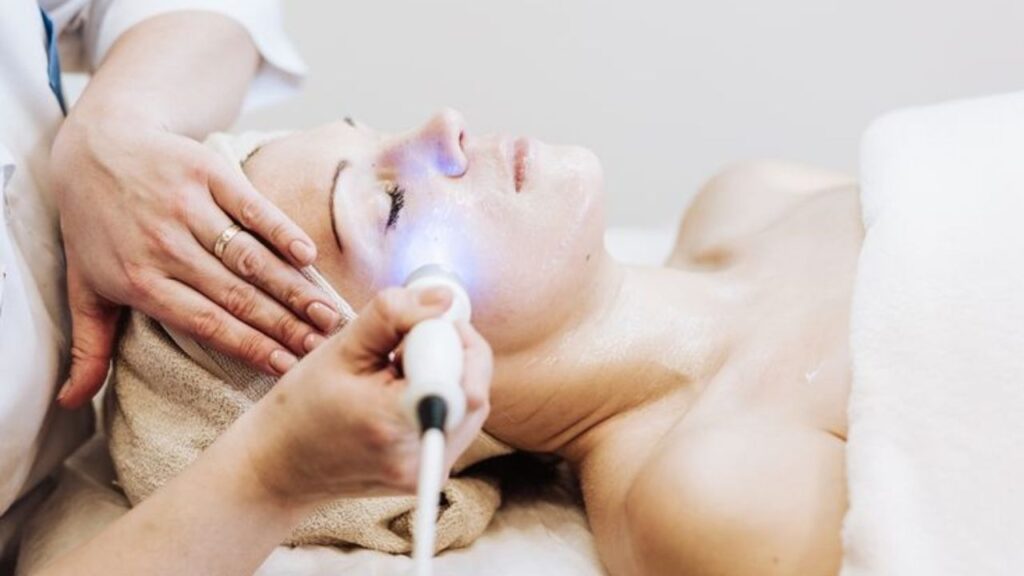
Your provider will cleanse your skin and may apply a topical numbing cream for comfort, though many modern lasers include built in cooling systems that reduce the need for anesthesia. You will also be given protective eyewear to shield your eyes from the laser light.
During Treatment
You will feel short bursts of warmth or a snapping sensation against your skin as the laser pulses. According to Charlotte Skin and Laser, devices like the VBeam use dynamic cooling technology, which releases a spray of cryogen just before each pulse to protect the outer layer of skin and improve comfort. Most patients describe the experience as tolerable, with minimal pain.
After Treatment
Mild redness, slight swelling, or a warm sunburn like sensation is normal immediately after a session. These effects typically fade within a few hours to a couple of days. Some patients, especially those treated with PDL at higher settings, may notice small bruises that resolve within one to two weeks.
Your provider will give you specific aftercare instructions. The most important rule is strict sun protection. Exposing treated skin to UV rays too soon can lead to pigmentation issues or reduce the effectiveness of your results.
Realistic Treatment Timeline: When Will You See Results?
Understanding the timeline helps set realistic expectations. Here is a general guide to what most patients experience after starting laser therapy for facial redness:
| Timeframe | What to Expect |
| Immediately after session | Mild redness, swelling, possible bruising |
| 1 to 2 weeks post session | Bruising fades, initial improvement in skin tone becomes visible |
| After 2 to 3 sessions | Noticeable reduction in visible blood vessels and overall redness |
| After 4 to 5 sessions | Peak results achieved for most patients |
| 4 to 6 weeks after final session | Full results visible as skin continues to heal and collagen rebuilds |
| 3 to 5 years post treatment | Results hold for treated vessels; new vessels may require maintenance |
Individual results vary based on the severity of your redness, your skin type, the laser used, and how closely you follow aftercare instructions. Patience and consistency are essential.
Potential Side Effects and Risks
Laser therapy for facial redness carries a low risk of serious side effects when performed by an experienced, qualified professional. However, it is important to understand what is possible.
Common temporary side effects include:
Mild redness and swelling at the treatment site, typically lasting a few hours to two days.
A warm or tingling sensation for several hours after the session.
Light bruising, especially with pulsed dye lasers, resolving within one to two weeks.
Temporary darkening or lightening of the treated skin, which usually corrects itself within a few weeks.
More serious but uncommon risks include scarring, prolonged pigmentation changes, or increased sun sensitivity lasting several weeks, with higher risks for those who do not follow proper aftercare protocols.
Choosing a dermatologist with specific experience in vascular laser treatments is the single most important step you can take to minimize these risks. The skill of the person operating the device matters just as much as the technology itself.
How Much Does Laser Treatment for Facial Redness Cost?
The cost of laser treatment for facial redness varies depending on your location, the type of laser used, and how many sessions you need.
According to the American Society of Plastic Surgeons, the average cost of laser skin treatments is approximately $697 per session. However, prices for vascular specific treatments like PDL and IPL can range from $200 to $600 or more per session depending on your geographic area and provider.
Most patients require three to five sessions for optimal results, which means the total investment typically falls between $600 and $3,000. IPL sessions tend to sit on the lower end of the price range, while specialized PDL or Nd:YAG treatments may cost more per visit.
| Treatment Type | Estimated Cost Per Session | Total for Full Course |
| IPL Photofacial | $200 to $500 | $900 to $2,500 |
| Pulsed Dye Laser (VBeam) | $300 to $600 | $900 to $3,000 |
| Nd:YAG Laser | $300 to $600 | $600 to $2,400 |
| KTP Laser | $250 to $500 | $500 to $2,000 |
Most insurance plans consider laser treatment for facial redness a cosmetic procedure and do not cover it. However, if your redness is medically diagnosed as rosacea, some insurance providers may offer partial coverage. Always check with your plan before scheduling.
How to Choose the Right Provider
Your results depend heavily on who performs the treatment. Here are key factors to evaluate when selecting a provider for laser facial redness treatment:
Board certification matters. Look for a dermatologist who is board certified and has specific experience with vascular lasers. Membership in organizations like the American Society for Dermatologic Surgery (ASDS) is a strong credential.
Ask about their equipment. A clinic that invests in current, well maintained laser technology is more likely to deliver safe and effective outcomes. Ask which specific devices they use and why.
Request before and after photos. Reputable providers will have a portfolio of past patient results for facial redness treatments. This gives you a realistic picture of what to expect.
Read patient reviews. Online reviews on platforms like Google, Healthgrades, or RealSelf can provide honest insight into patient experiences and satisfaction levels.
Schedule a consultation first. A good provider will evaluate your skin in person, explain your options clearly, and never pressure you into booking immediately.
How to Maintain Your Results Long Term
Laser treatments can deliver dramatic improvements, but maintaining those results requires ongoing care. According to the AAD, treated blood vessels do not reappear, but new ones can form over time, which means follow up sessions may be needed every few years.
Here are practical steps to protect your results:
Wear broad spectrum sunscreen daily. UV exposure is one of the biggest triggers for new blood vessel formation and redness flare ups. Choose SPF 30 or higher and reapply every two hours when outdoors.
Identify and avoid your personal triggers. Common rosacea triggers include spicy foods, alcohol, extreme temperatures, stress, and harsh skincare ingredients. Keeping a simple trigger diary can help you spot patterns.
Use a gentle, fragrance free skincare routine. Avoid products with alcohol, retinoids at high concentrations, or abrasive exfoliants that can irritate sensitive, redness prone skin. Look for ingredients like niacinamide, azelaic acid, and ceramides that support the skin barrier.
Consider complementary treatments. LED light therapy, microneedling, and calming chemical peels can support your laser results and promote overall skin health between sessions.
Schedule maintenance sessions as recommended. Many dermatologists suggest a touch up treatment once every one to two years to keep redness under control and prevent new vessels from becoming prominent.
Topical Treatments vs. Laser Therapy: Which Is Better?
Topical treatments like prescription creams and gels can help manage mild redness and reduce inflammation on a daily basis. However, they typically provide temporary relief and must be applied consistently to maintain results.
Laser therapy, on the other hand, targets the structural cause of redness by eliminating damaged blood vessels beneath the skin. According to Ashpole Plastic Surgery, many patients turn to laser treatments after finding limited success with topical products alone, since lasers offer a non surgical option with results that often last several months to over a year.
Here is how the two approaches compare:
| Factor | Topical Treatments | Laser Therapy |
| How it works | Reduces surface inflammation | Eliminates damaged blood vessels |
| Duration of results | Temporary (requires daily use) | Long lasting (3 to 5 years for treated vessels) |
| Best for | Mild redness, daily management | Moderate to severe redness, visible veins |
| Downtime | None | Minimal (a few hours to two days) |
| Cost | Lower ongoing cost | Higher upfront investment |
For most people dealing with moderate to severe facial redness, a combination approach works best. Laser sessions address existing vascular damage, while a solid daily skincare and sun protection routine prevents new issues from developing.
Conclusion
Laser therapy for facial redness offers a proven, science backed path to clearer, calmer skin when creams and lifestyle adjustments fall short. With several laser types available, from pulsed dye lasers and IPL to Nd:YAG, KTP, and emerging dual wavelength devices, there is a treatment option suited to nearly every skin type and concern.
The key to a successful outcome lies in choosing a qualified, experienced dermatologist, understanding which laser matches your specific needs, and committing to proper aftercare and sun protection. Results are not always instant, but with patience and the right plan, most patients experience a significant and lasting reduction in redness.
If persistent facial redness is affecting your confidence or quality of life, consider booking a consultation with a board certified dermatologist to explore your options. And if this guide helped you understand your choices better, share it with someone who might benefit from the same information.
Is laser therapy for facial redness painful?
Most patients describe the sensation as a series of warm snaps against the skin, similar to a rubber band flick. Modern devices include cooling technology that keeps discomfort to a minimum, and numbing cream can be applied before treatment for extra comfort.
How many laser sessions are needed to reduce facial redness?
The majority of patients see noticeable improvement after three to five sessions spaced three to four weeks apart. The exact number depends on the severity of your redness, the type of laser used, and how your skin responds to treatment.
How long do results from laser treatment last?
Results from vascular laser treatments typically last three to five years for treated blood vessels. However, new vessels can develop over time due to aging, sun exposure, or ongoing rosacea, so periodic maintenance sessions may be needed.
Can laser treatment completely cure rosacea redness?
Laser therapy significantly reduces rosacea symptoms but does not cure the underlying condition. It effectively eliminates existing visible blood vessels and calms persistent flushing, though ongoing management through skincare, trigger avoidance, and occasional touch ups is recommended.
Is laser treatment safe for darker skin tones?
Certain lasers, particularly the Nd:YAG at 1064 nm, are considered safer for medium to dark skin tones because they penetrate deeper and carry a lower risk of pigmentation changes. A consultation with an experienced dermatologist is essential to choose the right device for your complexion.
What is the best laser for redness on the face?
The pulsed dye laser (VBeam) is widely regarded as the gold standard for treating facial redness and broken capillaries. However, IPL works well for combined redness and pigmentation, while Nd:YAG is the preferred choice for patients with darker skin. Your dermatologist will recommend the best option based on your specific condition.
What is the downtime after a laser session for facial redness?
Downtime is minimal for most patients. You may experience mild redness or slight swelling for a few hours to two days. Bruising is possible with pulsed dye laser treatments but typically resolves within one to two weeks. Most people return to their normal routine the same day.