When I first tried laser therapy for facial redness, I had no idea it would completely transform my skin and my confidence. For years, I struggled with persistent flushing, visible blood vessels, and the frustration of trying countless creams that promised results but never delivered. Rosacea had become my constant companion, and I was desperate for something that actually worked.
This article shares my honest three-year journey with vascular laser treatments, including the different procedures I tried, the recovery process, and the real results I experienced. You’ll learn about IPL treatments, pulsed dye laser sessions, what dermatologists don’t always mention upfront, and whether this investment is truly worth it for reducing skin redness and broken capillaries. If you’re considering laser treatment for your own complexion concerns, my experience might help you make a more informed decision.
Understanding Laser Therapy for Facial Redness
Before diving into my experience, let me explain what I was dealing with. Facial redness can stem from various conditions including rosacea, broken capillaries, sun damage, and general skin sensitivity. My dermatologist diagnosed me with rosacea, which caused persistent flushing across my cheeks and nose along with visible spider veins that makeup could never fully conceal.
Traditional treatments like topical creams and oral medications provided minimal relief. After researching alternatives, I discovered that laser therapy for facial redness offered a more targeted approach by addressing the underlying vascular issues rather than just masking symptoms.
How Laser Therapy for Facial Redness Actually Works
The Science Behind Vascular Lasers
Laser therapy for facial redness works through a process called selective photothermolysis. The laser emits specific wavelengths of light that target hemoglobin in blood vessels beneath the skin’s surface. When the light energy is absorbed, it heats and damages the problematic vessels, causing them to collapse and eventually be reabsorbed by your body.
Types of Lasers I Tried
Over three years, I experienced multiple laser technologies for treating my skin concerns.
Pulsed Dye Laser became my primary treatment. This gold standard device specifically targets red pigment and works exceptionally well for diffuse redness and visible capillaries. Sessions felt like rubber bands snapping against my skin, but the discomfort was manageable.
Intense Pulsed Light or IPL was my starting point. While technically not a true laser, this broadband light treatment addresses multiple skin concerns simultaneously including redness, brown spots, and overall texture improvement.
Nd:YAG Laser treated my deeper, more stubborn vessels that other devices couldn’t reach effectively. This option works well for larger blood vessels and offers benefits for various skin tones.
My Treatment Journey and What to Expect
The Initial Consultation
My dermatologist performed a thorough skin analysis before recommending laser therapy for facial redness as my treatment path. We discussed my medical history, skin type, expectations, and created a customized treatment plan spanning multiple sessions.
The Procedure Experience
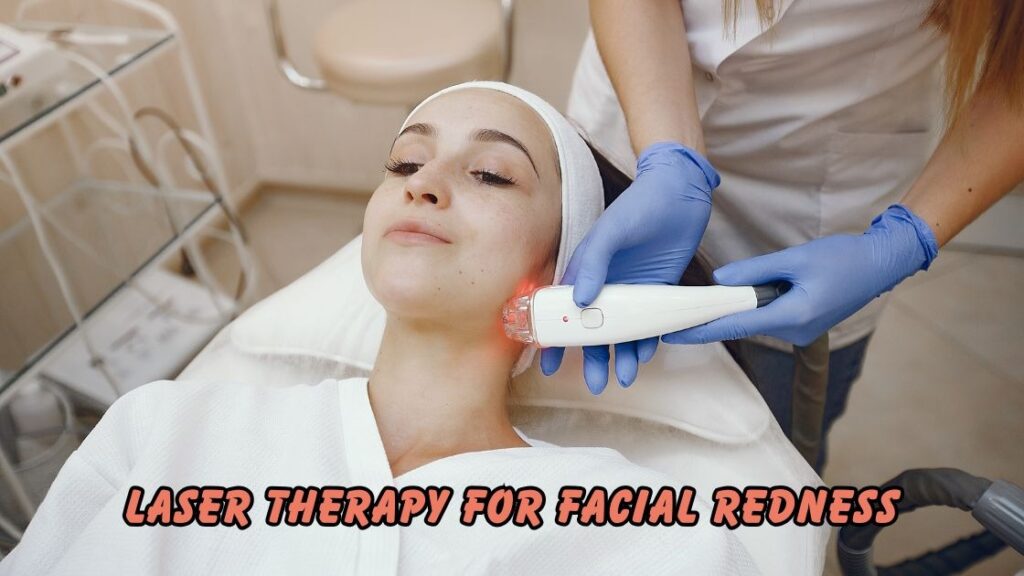
Each session lasted approximately twenty to thirty minutes depending on the treatment area. Here’s what a typical appointment involved:
- Cleansing my face to remove all makeup and oils
- Applying protective eyewear to shield my eyes from the laser light
- The technician using a cooling device to minimize discomfort during treatment
- Systematic passes of the laser across affected areas
- Applying soothing gel and sunscreen immediately afterward
Recovery and Downtime
Post treatment effects varied depending on the laser intensity. Mild swelling and redness typically lasted one to three days. Pulsed dye laser sometimes caused temporary bruising that required about a week to fade completely. I scheduled treatments strategically around important events.
Results I Experienced Over Three Years
First Year Improvements
After my initial series of four IPL sessions, I noticed approximately forty percent reduction in background redness. My skin tone appeared more even, and flare ups became less frequent and intense.
Long Term Transformation
By year three, combining different laser modalities produced remarkable results. My visible blood vessels decreased significantly, and my overall complexion looked calmer and healthier. Laser therapy for facial redness gave me confidence to leave the house without heavy foundation.
Benefits and Drawbacks Worth Considering
Advantages I Discovered
Laser therapy for facial redness offers several compelling benefits that traditional treatments cannot match. The results are longer lasting compared to topical solutions. Laser treatment targets the root cause rather than temporarily reducing symptoms. Modern devices accommodate various skin types safely, and improvements continue developing between sessions.
Challenges and Considerations
This treatment path isn’t without drawbacks. The cost adds up quickly since most insurance considers it cosmetic. Multiple sessions are necessary for optimal results. Some discomfort during treatment is unavoidable, and sun exposure must be strictly limited before and after procedures.
Tips for Anyone Considering This Treatment
Choosing the Right Provider
Selecting a board certified dermatologist or licensed professional with specific experience in vascular laser treatments is essential. Ask to see before and after photos of previous patients with similar concerns.
Maximizing Your Results
Commit to the full treatment course your provider recommends. Protect your skin religiously with broad spectrum sunscreen daily. Avoid known rosacea triggers like alcohol, spicy foods, and extreme temperatures. Maintain realistic expectations since complete elimination of redness isn’t always possible.
Conclusion
After three years of consistent laser therapy for facial redness, I can confidently say this decision changed my relationship with my skin. The combination of pulsed dye laser and IPL treatments significantly reduced my rosacea symptoms, visible capillaries, and chronic flushing that once dominated my daily life.
While the investment required patience and financial commitment, the long term improvements in my complexion and self confidence proved worthwhile. Laser therapy for facial redness isn’t a miracle cure, but for those struggling with persistent vascular concerns, it offers genuine hope. Consult a qualified dermatologist to determine if this treatment path suits your specific skin needs and goals.