A hydrating hyaluronic acid face serum can turn a tired, flaky complexion into glass-like skin faster than almost any other bottle on your shelf, yet most people apply it in a way that cancels out half the benefit. Understanding the molecule, the formulation, and the application method is what separates photogenic results from a disappointing sheen that fades before lunch. This deep-dive is built on peer-reviewed dermatology research, esthetician technique, and the ingredient science that most skincare ads skip over.
Table of Contents
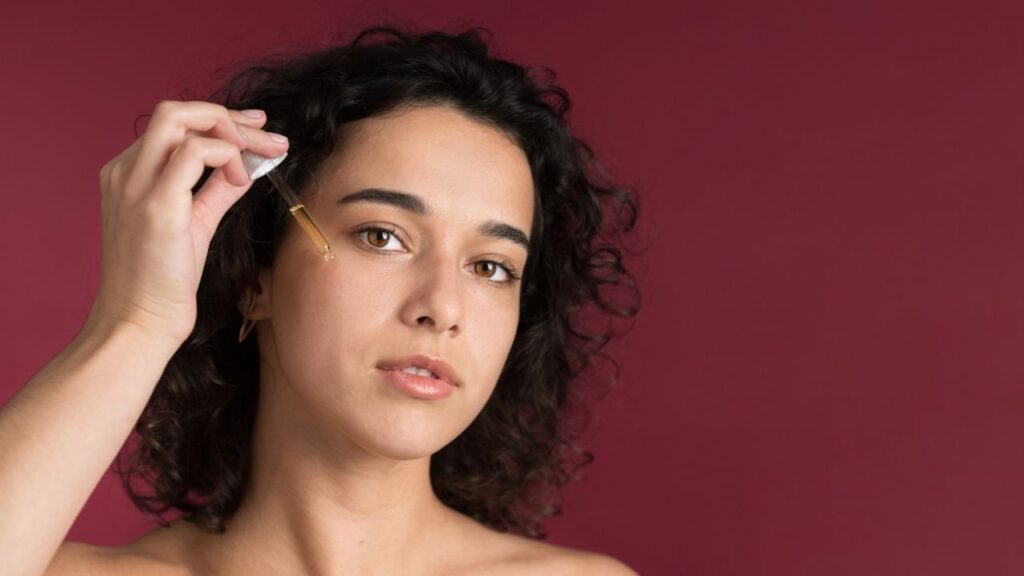
Why Your Skin Looks Tired, Dull, or Crepey in the First Place
Before reaching for another serum, it helps to understand what is actually happening under the surface. Dehydrated skin is not the same as dry skin. Dry skin lacks natural oils; dehydrated skin lacks water, and even an oily face can be severely dehydrated at the same time. The telltale signs include tightness after cleansing, pillow-creases that linger past 10 a.m., and makeup that clings to patches instead of sitting smoothly.
Indoor heating, frequent travel, retinoid use, and hard water all accelerate water loss from the skin’s upper layer, known as the stratum corneum. The fix is rarely a richer cream. The fix is targeted water, delivered by a humectant molecule that can actually hold onto it.
The Molecule Dermatologists Cannot Stop Recommending
Hyaluronic acid, often shortened to HA, is a naturally occurring glycosaminoglycan found in your skin, joints, and connective tissue. A 2024 systematic review in PubMed Central concluded that topical HA supports keratinocyte function, reduces transepidermal water loss, and contributes to extracellular matrix stability in plain English, it keeps the skin plump and less leaky.
How HA Compares to Other Humectants
Glycerin, panthenol, and urea are all humectants, and all of them hydrate skin reasonably well. What puts HA in its own category is scale. Clinical research published in the Journal of Clinical and Aesthetic Dermatology reports that a single HA molecule can bind roughly 1,000 times its weight in water, which is why visible plumping happens within minutes rather than weeks.
The Slow Decline With Age
HA is abundant in young skin, but production falls sharply as you age. A large randomised 2025 trial published in Scientific Reports noted measurable drops in facial hydration, elasticity, and barrier integrity tied to declining endogenous HA, with the sharpest changes arriving in the early thirties. Replenishing what your skin stops making on its own is the central job of a topical serum.
What Peer-Reviewed Studies Actually Show
Marketing copy will promise anything. Published dermatology research is more disciplined about what HA can and cannot do.
Measurable Hydration Gains
A 2023 review of topical hyaluronic acid in PubMed Central consolidated multiple randomised controlled trials and found consistent improvements in skin hydration and barrier recovery after four to eight weeks of twice-daily use, without the occlusive heaviness that triggers breakouts in oily skin.
Softer Fine Lines Over Time
A 2025 meta-analysis in the Journal of Cosmetic Dermatology reported a standardised mean difference of 1.34 for hydration gains and a significant improvement in radiance when HA was used consistently. A practical way to picture this: the groove of a fine line fills with water and catches light more evenly, softening its visible shadow.
Well-Tolerated Across Skin Types
A 12-week double-blind trial published in Dermatology and Therapy showed that HA was safe and effective across ages 26 to 64, with almost no reports of irritation or breakouts a profile you simply do not get with retinoids or exfoliating acids.
Decoding the Label Before Buying a Hydrating Hyaluronic Acid Face Serum
Ingredient lists on serums can look interchangeable. A closer look tells you whether you are paying for performance or packaging.
The Multi-Weight Advantage
Look for at least two forms of HA in the first half of the ingredient list. High-molecular-weight hyaluronan (listed as sodium hyaluronate) sits on the surface and creates a protective hydrating film. Low-molecular-weight or hydrolysed variants penetrate deeper for cumulative plumping. A serum that contains both is almost always stronger than one that contains only one.
Supporting Ingredients That Pull Their Weight
Niacinamide at 2 to 5 percent, panthenol (vitamin B5), ceramides, and polyglutamic acid are excellent companions. Each strengthens the barrier or helps the HA grip moisture longer.
Red Flags to Skip
Denatured alcohol high on the list, strong synthetic fragrance, and essential oils such as linalool or limonene can undo the barrier benefits HA is supposed to give you. A thin, sticky formula that pills under makeup usually means too much HA and not enough supporting humectants or emollients.
The Right Way to Apply a Hydrating Hyaluronic Acid Face Serum
Application order matters more than most beauty tutorials admit. Below is the sequence board-certified dermatologists and licensed estheticians most often recommend:
- Cleanse with a gentle, non-stripping face wash and leave the skin visibly damp not dripping, but never bone-dry.
- If the air in your room feels dry, mist lightly with plain water or a hydrating toner.
- Dispense three to four drops of serum into clean palms and press (do not rub) into the face and neck.
- Wait 30 to 60 seconds for the serum to bind, then seal with a moisturiser so the water cannot escape back into the air.
- In the morning, finish with a broad-spectrum SPF 30 or higher.
Skipping the damp-skin step is the single biggest mistake users make. In a low-humidity room, HA applied to dry skin will actually pull water out of the deeper dermis rather than attract it from the air, leaving your face more parched than when you started.
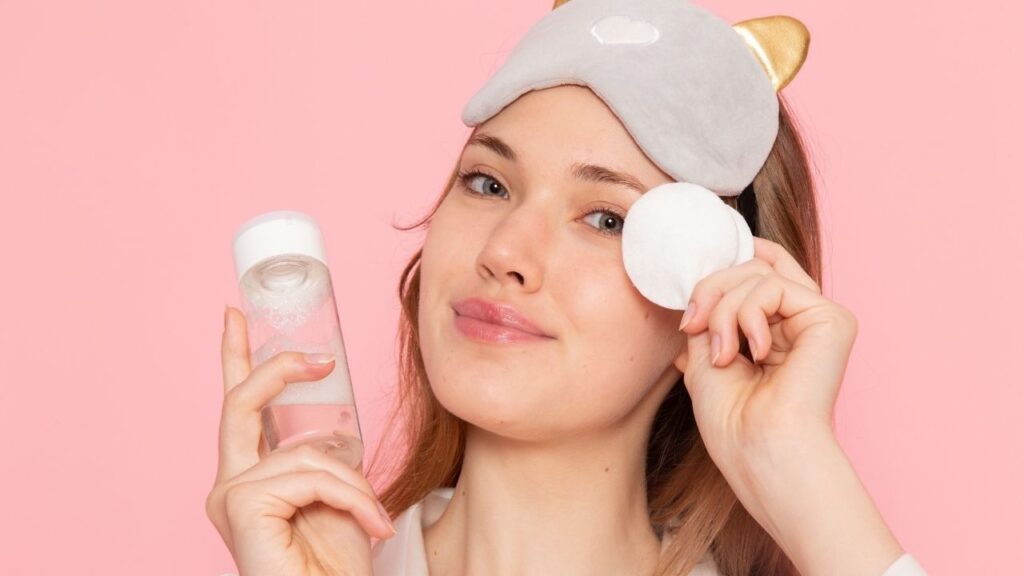
Matching the Serum to Your Skin Type
Not every formulation flatters every face. Use this quick reference:
| Skin Type | Best Formulation | What to Pair It With |
| Oily or acne-prone | Lightweight gel with multi-weight HA, oil-free | Gel moisturiser, niacinamide |
| Dry or mature | Serum blended with ceramides and squalane | Rich cream, facial oil at night |
| Sensitive or rosacea-prone | Fragrance-free, alcohol-free, minimal ingredients | Barrier cream with panthenol |
| Combination | Medium-weight serum, multi-weight HA | Lotion on cheeks, gel on T-zone |
| Post-treatment (peels, laser) | Pure HA with no fragrance | Cica balm or occlusive at night |
Mistakes That Quietly Drain Your Results
Using Too Much Product
More serum does not translate into more hydration. Anything above a pea-sized dose simply pills or slides off, wasting product and money.
Skipping the Moisturiser Step
HA attracts water, but it does not seal it in. Without a cream or lotion on top, the water evaporates and your skin ends up flatter than before.
Storing the Bottle in Bad Conditions
Heat, sunlight, and steamy bathroom shelves degrade the polymer structure. Keep the bottle in a drawer or a cabinet away from windows, ideally below 25°C, so the formula stays active for its full shelf life.
Pairing HA With Other Actives
One of HA’s strongest selling points is its compatibility with almost every popular skincare ingredient.
With Retinol or Retinal
Apply HA first on damp skin, wait one minute, then layer retinol on top. This cushions the dryness and flaking most first-time retinol users experience.
With Vitamin C
Vitamin C in the morning, then HA, then sunscreen. The vitamin C works best on slightly acidic, freshly cleansed skin, and the HA softens any tightness that comes with higher concentrations.
With Exfoliating Acids (AHAs and BHAs)
Use the acid first, wait until the skin is no longer wet, then press the serum in. This reduces any stinging and gives the barrier a head start on recovery.
The Final Verdict
Consistent moisture is the single most underrated driver of healthy-looking skin, and hyaluronic acid remains the fastest, safest, and most research-backed route to it. Choose a multi-weight formula, apply it on damp skin, seal it with a moisturiser, and finish with sunscreen in daylight hours. Do that for eight weeks and the difference will be visible to you long before anyone else comments on it.
How often should I use HA serum?
Twice daily is the standard for most skin types. There is no tolerance build-up, so you do not need to cycle it the way you would retinol or acids.
Will HA serum replace my moisturiser?
No. It pulls water into the skin but does not lock it in. You still need a moisturiser on top, or the hydration evaporates.
Is a hydrating hyaluronic acid face serum worth the price?
For most skin types, yes. Even budget formulas from established brands deliver visible plumping, and clinical studies confirm measurable barrier gains inside two months. The price mainly affects texture, supporting actives, and packaging rather than the core benefit.
Can I use HA during pregnancy or while breastfeeding?
Topical HA is considered one of the safest skincare ingredients during pregnancy by most dermatology sources, but always confirm with your own obstetrician or dermatologist.
How long until I see real results?
Immediate plumping and glow appear within minutes. Meaningful improvements in fine lines, elasticity, and barrier strength typically show up between week four and week eight, matching the timelines reported in published clinical trials.
Can HA cause breakouts?
It rarely does on its own. When breakouts happen, they are almost always triggered by fragrance, silicones, or heavy occlusives in the formula rather than the HA itself.