A well-crafted home made hair treatment can transform dull, damaged strands into visibly stronger and shinier hair using ingredients already sitting in your kitchen. For generations, women across South Asia, the Middle East, and Sub-Saharan Africa have relied on plant oils, herbal pastes, and fermented rinses to maintain thick, resilient hair without commercial products.
The modern shift toward natural alternatives is not just tradition it is backed by real data. According to Grand View Research, the global natural hair care market was valued at approximately USD 10.17 billion in 2024 and is expected to reach nearly USD 17 billion by 2030, growing at a 9.4% annual rate. That surge reflects a growing awareness of what harsh chemicals can do to hair and scalp over time.
This guide walks you through science-backed methods, practical routines, and proven ingredients that deliver real results when applied consistently.
Table of Contents

Why Natural Hair Care Is Gaining Ground in 2026
Daily exposure to pollution, heat styling tools, chlorinated water, and nutritional deficiencies weakens the hair shaft from the inside out. Commercial shampoos loaded with sulfates strip away the scalp’s natural oils, leading to dryness, irritation, and long-term thinning. A growing body of consumer research confirms that people are actively moving away from synthetic formulations.
A report by Market Data Forecast projects the natural hair care industry to reach USD 20.59 billion by 2033. The hair oil segment alone is expanding at an 11.8% annual rate, driven by cultural practices in South Asia and Africa where pre-wash oiling remains a weekly ritual.
The Scalp-First Approach
Leading dermatologists and beauty researchers now advocate treating the scalp like facial skin a concept called “skinification.” This means focusing on scalp microbiome health, proper hydration, and gentle cleansing before worrying about the hair shaft itself. When the scalp environment is balanced, healthier strands grow naturally.
As noted by BeautyMatter, fermented ingredients like rice water extracts and kombucha-based formulas are gaining traction because they offer antimicrobial benefits without disrupting the scalp’s natural oil production.
The Science Behind Kitchen Ingredients for Hair
Natural remedies are not just folk wisdom. Peer-reviewed research supports several common kitchen staples as effective hair care agents.
Coconut Oil and Protein Preservation
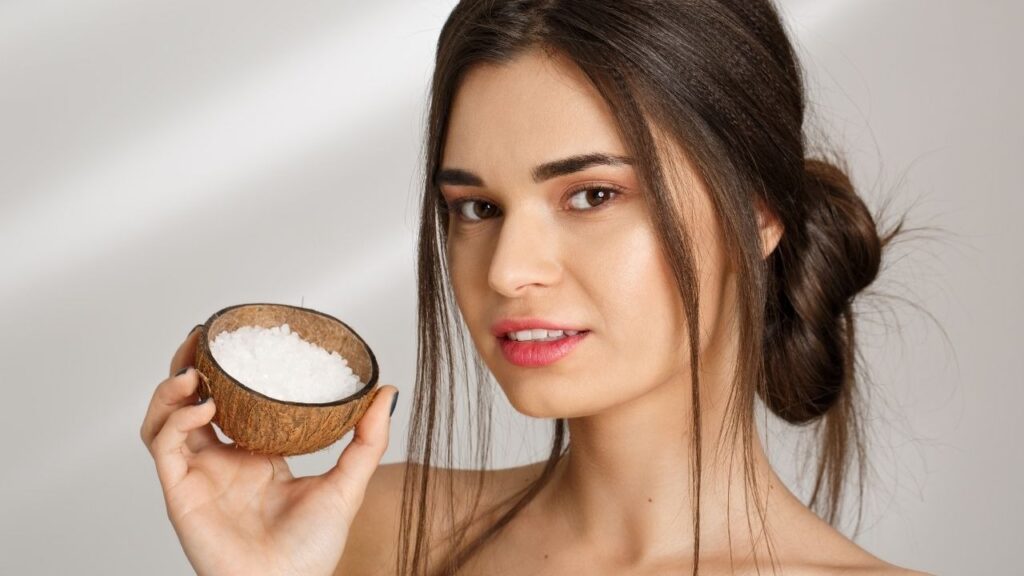
A landmark study published in the Journal of Cosmetic Science by Rele and Mohile (2003) compared coconut oil, mineral oil, and sunflower oil for their ability to prevent hair protein loss. The results were clear: coconut oil was the only one of the three that significantly reduced protein depletion in both damaged and undamaged hair. (PubMed Source)
The reason lies in its molecular structure. Coconut oil is rich in lauric acid, a medium-chain fatty acid with a small, straight molecular chain that can penetrate deep into the hair cortex. Mineral oil and sunflower oil, by contrast, sit on the surface and offer minimal internal protection.
Eggs, Yogurt, and Natural Proteins
Eggs contain biotin, essential amino acids, and natural fats that coat the hair shaft and improve elasticity. Yogurt provides lactic acid, which gently exfoliates the scalp and removes dead skin cells while introducing beneficial bacteria. Together, they form a protein-rich mask that restores shine and reduces brittleness after just a few applications.
Herbal Powerhouses: Amla, Fenugreek, and Aloe Vera
Amla (Indian gooseberry) is packed with vitamin C and antioxidants that stimulate collagen production around hair follicles. Fenugreek seeds contain lecithin, a natural emollient that softens hair and reduces flakiness. Aloe vera gel soothes scalp inflammation, balances pH levels, and adds moisture without leaving a greasy residue.
Natural Ingredients Compared: What Each One Does
| Ingredient | Primary Benefit | Best For | How to Use |
| Coconut Oil | Reduces protein loss by up to 50% | Dry, damaged, fine hair | Pre-wash oil massage |
| Egg + Yogurt Mask | Restores elasticity and shine | Brittle, dull hair | Apply 30 min before wash |
| Aloe Vera Gel | Soothes scalp, balances pH | Oily scalp, dandruff-prone | Direct scalp application |
| Fenugreek Paste | Softens hair, reduces flaking | Thick, coarse hair | Overnight soak, apply as paste |
| Amla Powder | Stimulates follicle collagen | Thinning hair, hair fall | Mix with oil or water as mask |
| Honey | Locks moisture, adds shine | Frizzy, dehydrated hair | Combine with banana or yogurt |
| Castor Oil | Promotes thickness and growth | Thinning edges, sparse patches | Targeted scalp massage weekly |
The 5-Step Home Made Hair Treatment Routine That Works
Consistency matters more than complexity. The following routine is designed for weekly use and suits most hair types. Each step builds on the previous one to deliver cumulative results over four to six weeks.
Step 1: Warm Oil Scalp Massage
Heat two tablespoons of coconut or castor oil until warm (not hot). Massage it into the scalp using circular motions for five to seven minutes. This boosts blood circulation to the follicles and helps the oil penetrate deeper. Leave it on for at least 30 minutes, or overnight for maximum absorption.
Step 2: Apply a Nourishing DIY Hair Mask
Choose a mask based on your hair’s needs. For dry hair, blend one ripe banana with a tablespoon of honey and two tablespoons of yogurt. For oily scalps, mix two tablespoons of aloe vera gel with a teaspoon of lemon juice. Apply from roots to tips and cover with a shower cap.
Step 3: Let Ingredients Absorb
Allow the mask to sit for 20 to 40 minutes. Natural ingredients need time to interact with the hair cuticle and scalp. Rushing this step reduces effectiveness significantly.
Step 4: Rinse With a Gentle Cleanser
Use a sulfate-free shampoo or a traditional herbal wash made from shikakai or reetha (soapnut). These clean the hair without stripping away beneficial oils. Rinse thoroughly with lukewarm water hot water opens the cuticle too much and causes frizz.
Step 5: Air Dry and Protect
Skip the blow dryer whenever possible. Pat hair gently with a microfiber towel and let it dry naturally. If you must use heat tools, apply a light coating of argan oil as a natural heat protectant first.
Pro Tip: Track your progress by taking photos every two weeks under the same lighting. Most people notice visible improvement in texture and reduced breakage within 4–6 weeks of consistent application.
Customizing Your Routine by Hair Type
Dry and Frizzy Hair
Focus on deep conditioning with heavier oils like olive or castor oil. Banana and honey masks excel at locking in moisture. Avoid lemon-based treatments, which can further dry out already dehydrated strands.
Oily Scalp With Dandruff
Use lightweight treatments like aloe vera gel and diluted apple cider vinegar rinses. Tea tree oil mixed with a carrier oil can help control fungal overgrowth linked to dandruff. Apply treatments primarily to the scalp rather than the full length of the hair.
Thinning Hair and Excessive Shedding
Castor oil blends and onion juice masks are popular for stimulating follicle activity. Amla powder mixed with coconut oil delivers vitamin C directly to the scalp, supporting collagen production around weakened follicles. Pair these with a protein-rich diet for best results.
A Note on Patch Testing
Every person’s scalp chemistry is different. Before applying any new ingredient especially onion juice or essential oils do a small patch test on the inner wrist or behind the ear. Wait 24 hours to check for redness or irritation before applying to the full scalp.
Common Mistakes That Undermine Your Results
Even the best home made hair treatment can fail if applied incorrectly. One frequent error is using too many ingredients at once. Overloading the hair with multiple active components creates buildup rather than nourishment. Stick to two or three ingredients per mask.
Another mistake is inconsistency. Natural remedies work cumulatively, meaning skipping weeks erases much of the progress. Think of it like exercise sporadic effort yields sporadic results.
Using expired or low-quality ingredients also reduces effectiveness. Fresh aloe vera gel works far better than a bottled product sitting on a shelf for months. Similarly, cold-pressed oils retain more nutrients than refined versions.
What Experts and Research Say About DIY Hair Care
The “skinification” trend treating scalp health with the same seriousness as facial skincare is now a mainstream approach endorsed by dermatologists worldwide. According to MDhair, board-certified dermatologists recommend sulfate-free, pH-balanced cleansing and customized treatment plans as the most effective long-term strategy for hair health.
Research published in the Journal of Cosmetic Science consistently supports coconut oil as a superior protective agent compared to commercial mineral oil formulations. The data shows it can reduce combing-related protein loss by nearly half a finding replicated across multiple studies over two decades. (Rele & Mohile, 2003 PubMed)
Industry experts at The Hair Society confirm that consumers are increasingly choosing measurable, science-backed solutions over marketing-driven products. The demand is shifting toward transparency in ingredients and evidence of real results.
Realistic Benefits and Honest Limitations
What You Can Expect
- Noticeably reduced hair breakage and split ends within 4–6 weeks
- Improved scalp hydration and reduced flakiness
- Shinier, more manageable hair without chemical residue
- Lower cost compared to salon treatments and premium products
- Full control over ingredient quality and freshness
What to Keep in Mind
Natural treatments require patience. They will not reverse genetic hair loss or replace medical treatments for conditions like alopecia. Severe scalp infections or hormonal hair loss should be evaluated by a dermatologist. These remedies work best as a complementary wellness practice for everyday hair maintenance and damage prevention.
Building a Complete Natural Hair Care Routine
A successful home made hair treatment routine does not exist in isolation. It connects to a broader ecosystem of habits that include scalp nourishment, deep conditioning at home, herbal hair rinses, DIY hair masks for damaged hair, and natural remedies for hair fall control. Each of these subtopics feeds into the larger goal of maintaining hair health without synthetic chemicals.
For example, someone searching for “kitchen ingredients for hair growth” or “best oils for dry scalp” is looking for the same core solution a reliable, natural approach to hair care. By addressing all of these angles within a single routine, you create a comprehensive system rather than a patchwork of one-off treatments.
Related Topics Covered: natural hair care, DIY hair masks, scalp nourishment, hair growth remedies, hair fall control, coconut oil for hair, herbal hair treatment, deep conditioning at home, kitchen ingredients for hair, sulfate-free hair washing, natural remedies for hair breakage, aloe vera for scalp health, castor oil for hair thickness
Final Thoughts
A consistent home made hair treatment routine built on proven ingredients and proper technique delivers real, lasting improvements to hair strength and scalp health. The science is clear: natural oils like coconut oil protect hair protein at a structural level, herbal ingredients support follicle nourishment, and gentle cleansing preserves the scalp’s natural balance.
Start simple. Pick one oil and one mask that suits your hair type, follow the five-step routine weekly, and give your hair at least a month to respond. The global shift toward natural hair care is not a passing trend it is a return to methods that have worked for centuries, now validated by modern research.
Q: How often should I use a home made hair treatment?
Once or twice per week is ideal for most hair types. Over-treating can lead to product buildup and weigh hair down. Consistency over several weeks matters more than frequency.
Q: Can natural treatments reverse hair loss?
Natural remedies can reduce breakage and strengthen existing strands, but they cannot reverse genetic or hormonal hair loss. If you are experiencing significant shedding, consult a dermatologist for a proper diagnosis alongside your natural care routine.
Q: Which oil is scientifically proven to be best for hair?
Coconut oil has the strongest research backing. A peer-reviewed study in the Journal of Cosmetic Science found it was the only oil among coconut, mineral, and sunflower oil that significantly reduced protein loss in hair when used before and after washing.
Q: Is onion juice effective for hair regrowth?
Small-scale studies suggest onion juice may stimulate hair follicles due to its high sulfur content. However, evidence is limited, and it can irritate sensitive scalps. Always do a patch test before full application.
Q: Can I use a home made hair treatment on colored or chemically treated hair?
Yes, but choose gentle ingredients like aloe vera and honey rather than acidic components like lemon juice, which can strip color. Coconut oil is especially beneficial for chemically treated hair because it helps prevent further protein loss from processing damage.
Q: How long does it take to see results from natural hair treatments?
Most people notice improvements in texture, shine, and reduced breakage within four to six weeks of consistent weekly application. Significant changes in thickness or growth take three to six months.