Home made hair treatment has been trusted for generations as a safe and effective way to nourish hair using natural ingredients. Drawing from real-life experience and traditional beauty practices, many people have seen noticeable improvements in hair strength, shine, and overall scalp health without relying on harsh chemicals. This article explores time-tested remedies and modern natural hair care approaches that support long-term hair wellness.
You’ll discover how simple kitchen ingredients can be transformed into powerful DIY hair masks, how proper scalp nourishment encourages healthy strands, and which hair growth remedies help reduce breakage and hair fall control. By combining practical tips with expert-backed insights, this guide will help you build a consistent routine focused on healthier, stronger hair the natural way.
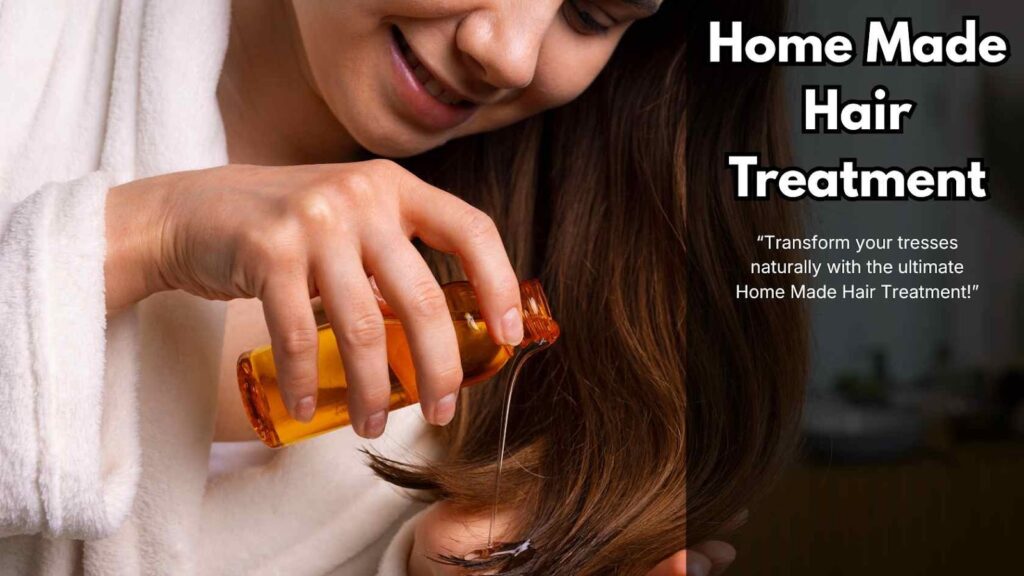
Understanding Home Made Hair Treatment and Its Natural Roots
Home made hair treatment refers to caring for hair using natural, easily available ingredients instead of chemical based products. This approach has deep roots in traditional beauty practices across South Asia, the Middle East, and Africa, where oils, herbs, and plant extracts were used to maintain hair strength and shine. Over time, these remedies evolved with better understanding of scalp health, hair texture, and nutrition. Today, natural hair care blends ancestral wisdom with modern knowledge, making it a trusted option for people seeking gentle yet effective solutions. Unlike commercial products, these treatments focus on long term nourishment rather than quick cosmetic results, which makes them suitable for most hair types.
Why Natural Hair Care Matters More Than Ever
Modern lifestyles expose hair to pollution, heat styling, stress, and poor diet, all of which weaken strands and irritate the scalp. A consistent home made hair treatment routine helps counter these effects by restoring moisture balance and supporting healthy hair growth. Natural remedies work gradually, improving hair quality from the roots rather than masking damage. They are also cost effective, customizable, and free from harsh additives, making them ideal for sensitive scalps. With regular use, people often notice reduced hair fall, better texture, and improved manageability.
The Science Behind Natural Ingredients
Natural ingredients contain vitamins, fatty acids, antioxidants, and minerals that nourish hair follicles. Oils seal moisture, masks repair damage, and herbal infusions soothe the scalp. When combined correctly, these elements strengthen the hair shaft and support scalp nourishment without disrupting its natural balance.
Key Ingredients Used in Home Based Hair Remedies
Oils That Strengthen and Protect
Coconut oil, castor oil, olive oil, and almond oil are widely used for deep conditioning. They penetrate the hair shaft, reduce protein loss, and protect against breakage. Regular oil massage also boosts blood circulation, supporting hair growth remedies.
Natural Masks and Pastes
Hair masks made from eggs, yogurt, aloe vera, banana, or honey help repair dryness and dullness. These ingredients improve elasticity and shine while calming scalp irritation. Herbal powders like amla, shikakai, and fenugreek add volume and thickness when used consistently.
Commonly Used Natural Components
- Coconut oil
- Aloe vera gel
- Egg and yogurt mask
- Fenugreek paste
- Herbal hair powders
How Home Treatments Work on Hair and Scalp
A well planned home made hair treatment works in stages. Oils nourish the scalp, masks repair damaged strands, and rinses cleanse without stripping natural oils. This layered approach improves moisture retention and strengthens hair over time. Unlike chemical treatments that give instant results but cause long term damage, natural care supports sustainable hair health. Consistency is key, as visible improvement usually appears after a few weeks of regular application.
Step by Step Process for an Effective Routine
Building a Simple Weekly Routine
Following a structured process ensures better results and prevents overuse of ingredients. Here is a practical routine that suits most hair types.
- Massage warm oil into the scalp once or twice a week
- Apply a nourishing hair mask after oiling
- Leave the mask on for the recommended time
- Rinse with a mild cleanser or herbal wash
- Air dry and avoid heat styling
This process supports hair fall control while improving shine and softness naturally.
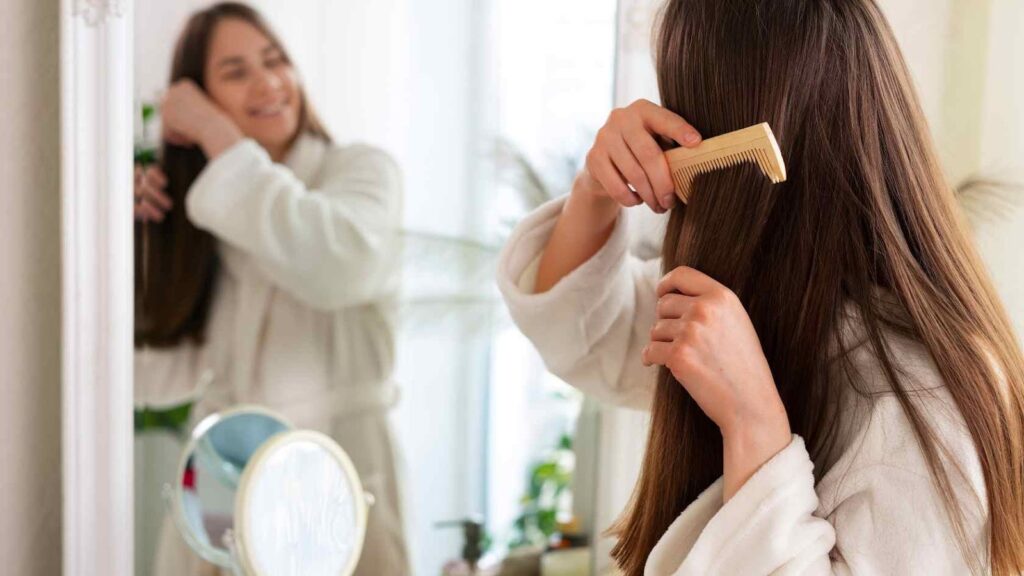
Types of Home Treatments Based on Hair Needs
For Dry and Frizzy Hair
People with dry hair benefit from oil rich treatments and creamy masks that lock in moisture. Ingredients like honey and banana work especially well for restoring softness.
For Oily Scalp and Dandruff
Lightweight gels, aloe vera, and herbal rinses help balance oil production and soothe irritation without clogging pores.
For Hair Growth and Thickness
Castor oil blends, onion juice masks, and amla based treatments are popular for encouraging stronger, thicker strands over time.
Benefits and Possible Challenges
The advantages of home made hair treatment include affordability, ingredient transparency, and long term scalp health. However, results are not instant and require patience. Some ingredients may not suit everyone, so patch testing is important. Another challenge is consistency, as skipping treatments can slow progress. Despite these drawbacks, most users prefer natural care due to its safety and adaptability.
Expert Tips for Better Results
To maximize results, always use fresh ingredients and follow the correct proportions when preparing a home made hair treatment. Avoid mixing too many components at once, as this can reduce effectiveness, and stick to a routine for at least one month before judging results. Combining a home made hair treatment with a balanced diet and proper hydration further enhances outcomes. Compared to salon procedures, these home made hair treatments offer gradual but lasting improvement, making them a reliable choice for healthier, stronger hair. By understanding your hair type and applying the right methods, a home made hair treatment becomes a powerful tool for achieving naturally nourished and resilient hair.
Conclusion
Home made hair treatment offers a natural and reliable way to improve hair strength, texture, and overall scalp health. By understanding traditional roots, choosing the right natural ingredients, and following a consistent routine, anyone can achieve healthier hair without harsh chemicals. These remedies support long term hair growth, reduce hair fall, and promote scalp nourishment when used with patience and care. Adopting a home made hair treatment approach not only saves cost but also builds trust in natural hair care solutions that focus on lasting results rather than temporary fixes.