A hair mask for coarse frizzy hair is one of the most effective ways to reclaim softness, shine, and control over stubborn strands. Coarse textures tend to lose moisture faster than fine or medium hair types, which leaves the cuticle layer rough and raised. That raised cuticle is the primary reason your hair puffs up in humidity and resists styling.
According to trichology research, coarse hair has a wider diameter per strand and a thicker cuticle layer, which makes it naturally more resistant to absorbing moisture from regular conditioners. Deep conditioning treatments bridge that gap by delivering concentrated hydration and structural repair directly into the hair shaft.
In this guide, you will learn exactly which ingredients work best, how to apply treatments for maximum absorption, and how to build a complete routine that keeps frizz under control long-term.
Table of Contents
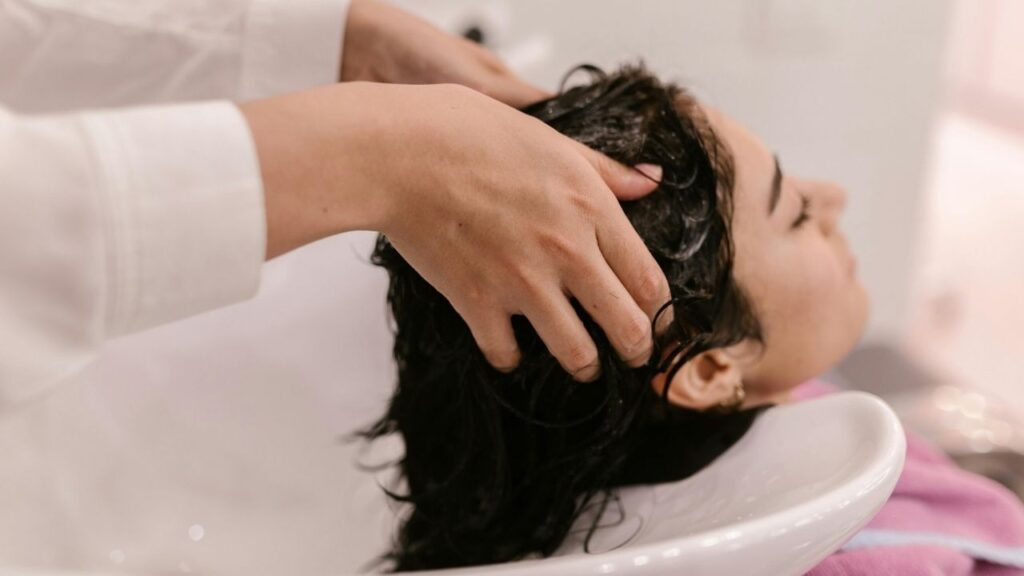
Why Coarse and Frizzy Strands Need Deep Conditioning
Regular conditioners sit on the hair surface for a minute or two before rinsing. That is simply not enough contact time to penetrate a thick cuticle. Deep conditioning masks, on the other hand, use heavier molecular structures and longer application times to push hydration past the outer layer and into the cortex of the strand.
Frizz occurs when the cuticle lifts and allows environmental moisture to swell the hair unevenly. A well-formulated mask smooths those cuticle scales back down, creating a uniform surface that reflects light and resists humidity. The difference is visible after just one use, but cumulative results over four to six weeks are far more dramatic.
The Science Behind Frizz and Dryness
Hair is made up of three layers: the medulla at the center, the cortex that provides strength and elasticity, and the cuticle that acts as a protective shell. When the cuticle is damaged by heat styling, chemical processing, or UV exposure, gaps form along the strand. These gaps allow moisture to escape and humidity to enter, which is the exact mechanism behind frizz.
A 2018 study published in Biotechnology Reports demonstrated that recombinant keratin proteins can fill structural gaps in damaged hair fibers, significantly improving tensile strength and smoothness. This is why protein-enriched masks are so effective for coarse, frizzy textures.
Key Ingredients That Transform Rough, Unruly Strands
Not every mask delivers the same results. The ingredient list determines whether a treatment actually repairs damage or just coats the surface temporarily. Look for formulas that combine both protein and moisture components for balanced results.
Protein-Based Ingredients for Structural Repair
Hydrolyzed keratin and silk proteins are the two most researched ingredients for frizz control. Keratin fills microscopic gaps in the cuticle, while silk amino acids smooth the surface and reduce friction between individual strands. Together, they create a stronger, sleeker fiber that resists tangling and breakage.
However, balance matters. Masks with extremely high protein concentrations and insufficient moisturizers can cause what professionals call protein overload, where hair feels stiff, brittle, and snaps under tension. If your hair is only mildly damaged, choose a moisture-forward formula with moderate protein content.
Natural Oils and Butters for Moisture
Natural oils and butters provide the hydration side of the equation. They penetrate the strand, lubricate the cortex, and seal the cuticle to lock moisture in.
Argan Oil
Argan oil is rich in vitamin E, oleic acid, and linoleic acid. It absorbs quickly without leaving a heavy residue, making it suitable even for hair that tends to get weighed down. Its antioxidant properties also help protect strands from environmental oxidative stress and UV damage.
Shea Butter
Shea butter is an occlusive moisturizer, meaning it forms a protective film over the hair that prevents water loss. According to haircare specialist Christina Korouchtsidi, shea butter is particularly effective for thick, curly, and coarse textures because of its superior moisture-sealing ability compared to lighter oils.
Coconut Oil
Coconut oil is one of the few oils proven to penetrate the hair shaft rather than just coating it. A study published in the Journal of Cosmetic Science found that coconut oil reduced protein loss in both damaged and undamaged hair when used as a pre-wash or post-wash treatment. This makes it an excellent base ingredient for homemade masks.
How to Apply a Deep Conditioning Treatment the Right Way
Application technique matters just as much as the formula itself. Many people waste product or reduce effectiveness by applying their mask incorrectly. Here is a proven step-by-step method used by salon professionals.
Step-by-Step Application Guide
- Wash hair with a gentle, sulfate-free shampoo to remove buildup and open the cuticle slightly for better absorption.
- Squeeze out excess water so hair is damp but not dripping. Overly wet hair dilutes the mask and reduces penetration.
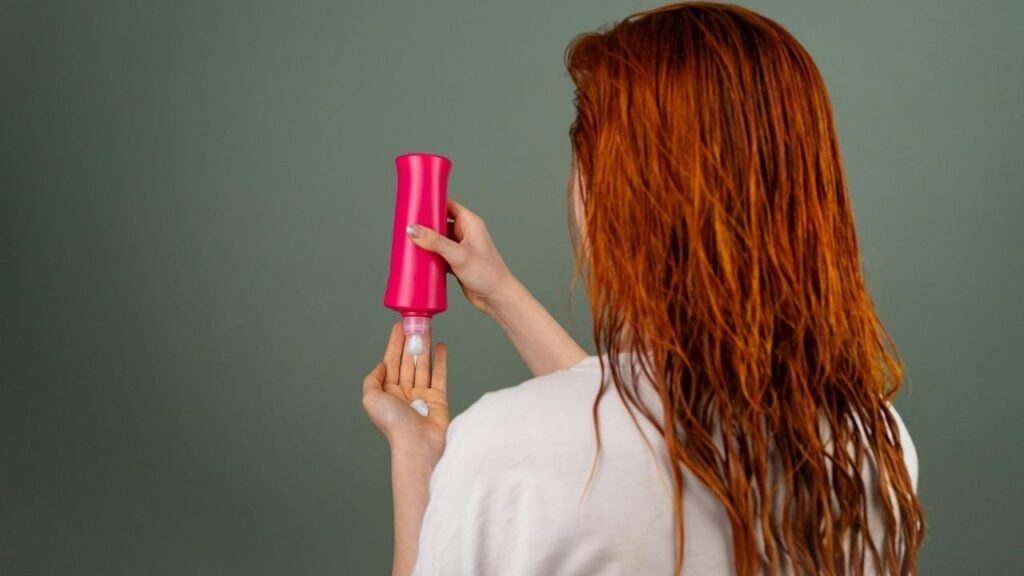
- Apply the deep conditioning mask generously from mid-lengths to ends, where damage and dryness are most concentrated. Avoid the root area unless your scalp is also dry.
- Use a wide-tooth comb to distribute the product evenly through each section.
- Cover your hair with a warm towel or shower cap. The trapped heat opens the cuticle further and helps the mask penetrate deeper into the cortex.
- Leave the treatment on for 15 to 30 minutes. For severely damaged hair, some masks can be left on for up to 45 minutes.
- Rinse thoroughly with lukewarm or cool water. Cool water helps seal the cuticle and lock in the treatment.
For best results, repeat this process once or twice per week. Overusing protein-heavy masks can lead to buildup, so alternate between protein treatments and moisture-only masks if you are treating your hair more than once a week.
DIY Recipes You Can Make at Home
Commercial masks work well, but homemade treatments using kitchen ingredients can be surprisingly effective. They are also free from silicones and synthetic fragrances that may cause long-term buildup.
Banana and Honey Hydrating Treatment
Bananas are packed with potassium, natural oils, and carbohydrates that help lock in moisture and reduce frizz. Honey acts as a natural humectant, drawing moisture from the air into the hair strand.
Blend one ripe banana with two tablespoons of plain yogurt and one tablespoon of raw honey until completely smooth. Apply to damp hair, cover with a shower cap, and leave for 20 to 30 minutes before rinsing. The lactic acid in yogurt also gently exfoliates the scalp, promoting healthier hair growth.
Avocado and Coconut Oil Repair Blend
Mash half a ripe avocado and mix it with two tablespoons of melted coconut oil and one tablespoon of olive oil. Avocado provides vitamins A, D, and E along with healthy fats that deeply nourish the cortex. Apply from roots to ends, wrap in a warm towel, and leave for 30 minutes.
This recipe works especially well for hair that has been chemically treated or heat-damaged, as the combined oils deliver both penetrating and sealing moisture.
Professional Salon Treatments Worth Considering
While at-home masks are effective for maintenance, salon treatments offer deeper penetration and longer-lasting results for severely damaged or extremely coarse textures.
Keratin-Based Smoothing Services
Professional keratin treatments coat each strand with a layer of protein that seals the cuticle and blocks humidity for three to five months. According to industry data, these treatments can deliver an 85 to 95 percent reduction in frizz and cut daily styling time by more than half.
Modern formulations have moved away from formaldehyde-based formulas. Brands now offer formaldehyde-free options that use glyoxylic acid or biomimetic silk proteins to achieve similar smoothing effects without the health risks associated with older formulas.
Bond-Rebuilding Therapy
Treatments like Olaplex and K18 work at the molecular level by reconnecting broken disulfide bonds within the hair shaft. These bonds are responsible for strength and elasticity, and they break down from bleaching, perming, and excessive heat. Bond-rebuilding therapies are often combined with deep conditioning masks in salons for comprehensive repair.
Top Benefits of Regular Deep Conditioning for Thick, Unruly Strands
Consistent use of deep conditioning treatments delivers measurable improvements across multiple aspects of hair health. Here are the five most significant benefits backed by professional experience and clinical observation.
- Restored moisture balance: Deep masks replenish the lipid layer within the cortex, bringing dry and brittle strands back to a healthy hydration level. Hair that retains adequate moisture is softer, more pliable, and far less prone to frizz.
- Reduced breakage and split ends: Proteins in masks fill structural gaps and reinforce weak points along the strand. This reduces mid-shaft breakage and slows the formation of split ends, which means you retain more length over time.
- Improved elasticity: Healthy hair can stretch up to 30 percent of its length when wet without snapping. Regular conditioning restores this elasticity, making hair more resilient during brushing, styling, and environmental exposure.
- Enhanced shine and smoothness: A sealed, smooth cuticle reflects light uniformly, giving hair a glossy, polished appearance. This is the single biggest visual difference most people notice after consistent mask use.
- Better heat and color protection: A well-conditioned cuticle acts as a buffer against heat tools and slows color fade in chemically treated hair. This means less damage accumulation between salon visits.
Common Mistakes That Make Frizz Worse
Even the best mask cannot overcome poor daily habits. Many people unknowingly sabotage their results with routine choices that strip moisture and damage the cuticle.
Over-Washing and Sulfate Exposure
Washing hair daily with sulfate-based shampoos strips the natural oils that coarse hair desperately needs. Sulfates like sodium lauryl sulfate are aggressive surfactants designed for heavy-duty cleaning, and they remove far more oil than coarse hair can afford to lose.
Switch to a sulfate-free shampoo and limit washing to two or three times per week. On non-wash days, use a lightweight dry shampoo or simply rinse with water and apply a leave-in conditioner.
Skipping Heat Protection
Using flat irons, curling wands, or blow dryers without a heat protectant spray is one of the fastest ways to undo the benefits of any conditioning treatment. Heat protectants form a thermal barrier that reduces moisture evaporation and prevents cuticle scorching at high temperatures.
Apply a heat protectant to damp hair before blow drying and again to dry hair before using hot tools. Keep flat iron temperatures below 375°F (190°C) for coarse hair and even lower for finer textures.
Using the Wrong Brush
Brushing coarse hair with fine-bristle brushes or small-tooth combs creates friction, static, and breakage. Use a wide-tooth comb on wet hair and a boar-bristle or paddle brush on dry hair. Always detangle from the ends upward to avoid pulling and snapping strands.
Building a Complete Care Routine for Healthier Texture
A deep conditioning mask for thick, frizz-prone strands delivers the best results when it is part of a broader routine designed to protect and maintain moisture between treatments.
Start with a gentle, sulfate-free cleanser two to three times per week. Follow each wash with a rinse-out conditioner for daily moisture, and add a deep conditioning mask once or twice weekly depending on your damage level. Between washes, use a leave-in conditioner or light oil like argan to maintain hydration and reduce friction.
Protect your hair while sleeping by using a silk or satin pillowcase, which reduces cuticle abrasion compared to cotton. If you tie your hair back, use fabric-covered elastics rather than rubber bands to prevent breakage at the tie point.
Finally, schedule regular trims every eight to ten weeks. Removing split ends prevents damage from traveling up the shaft and keeps your hair looking healthier overall.
Real-World Results: What Consistent Treatment Looks Like
A practical example illustrates the impact of consistency. One woman with coarse, chemically highlighted hair began using a protein-and-moisture mask twice per week alongside a sulfate-free shampoo routine. She also switched to a satin pillowcase and started applying argan oil to her ends daily.
After six weeks, she reported noticeably less frizz even on humid days, reduced breakage during brushing, and significantly improved shine. Her styling time dropped from 40 minutes to roughly 15 minutes each morning. These results align with what most trichologists and salon professionals observe when clients commit to a structured routine.
Another individual with naturally coarse, curly hair incorporated a weekly DIY avocado mask combined with monthly professional bond-repair treatments. Within two months, hair elasticity improved measurably, and the texture became softer and easier to manage without heavy styling products.
Final Thoughts
Using a hair mask for coarse frizzy hair consistently is the single most impactful change you can make to transform dry, unruly strands into soft, manageable, and healthy-looking hair. The key is choosing the right balance of protein and moisture, applying the mask correctly, and supporting it with a complete routine that protects your hair between treatments.
Whether you opt for professional salon treatments, store-bought formulas, or DIY recipes from your kitchen, the science is clear: deep conditioning works. Start with one mask per week, pay attention to how your hair responds, and adjust your approach based on your specific texture, porosity, and damage level. Within a few weeks, the difference will be unmistakable.
How often should I use a hair mask for coarse frizzy hair?
Once or twice per week is ideal for most people. If your hair is severely damaged or chemically treated, twice weekly delivers faster results. Alternate between protein-based and moisture-only masks to maintain the right balance and avoid protein overload.
Can I leave a deep conditioning mask on overnight?
Some masks are designed for overnight use, but most standard formulas should only be left on for 15 to 45 minutes. Leaving a protein-heavy mask on too long can cause stiffness and brittleness. Always follow the product instructions, and if using a DIY mask, limit application to 30 minutes maximum.
What is the difference between a hair mask and a regular conditioner?
Regular conditioners contain lighter formulas meant for brief application and surface-level smoothing. Hair masks contain higher concentrations of proteins, oils, and active ingredients designed to penetrate deeper into the hair shaft over a longer contact period. Think of conditioner as daily maintenance and masks as weekly intensive repair.
Which natural ingredients work best for coarse hair?
Shea butter, coconut oil, argan oil, avocado, honey, and banana are among the most effective natural ingredients. Shea butter excels at sealing moisture, coconut oil penetrates the shaft to reduce protein loss, and honey draws moisture from the environment into the strand.
Do hair masks help with hair growth?
Hair masks primarily improve the condition of existing hair rather than stimulating new growth. However, by reducing breakage and strengthening the strand, masks help you retain more length over time, which creates the appearance of faster growth. For actual follicle stimulation, scalp-targeted treatments with ingredients like rosemary oil are more appropriate.
Are salon treatments better than at-home masks?
Salon treatments like keratin smoothing and bond-rebuilding therapies penetrate deeper and last longer than most at-home products. However, they are also significantly more expensive, typically ranging from $150 to $800 per session. A combination of regular at-home masking with occasional professional treatments provides the best balance of results and value.