A well-formulated fine eye serum can become the quiet hero of your skincare routine, working on dark circles, puffiness, and wrinkles across the most delicate skin on your face. The under-eye zone is around 40% thinner than the rest of the facial skin, which is why it reacts to stress, screens, and sun faster than any other area. A dedicated formula targets those specific concerns rather than simply moisturizing the surface.
This guide breaks down how concentrated eye treatments actually work, which ingredients deliver real results, and how to apply them correctly. You’ll also find dermatologist-backed tips, realistic timelines, and answers to the most common questions readers ask.
Table of Contents
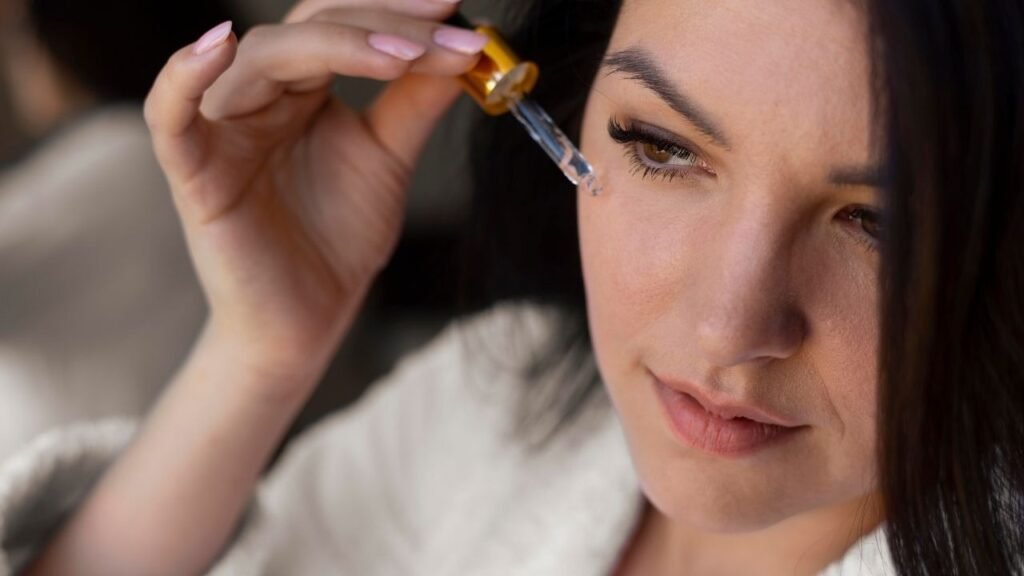
Why the Under-Eye Area Needs Special Care
The skin surrounding your eyes has fewer oil glands and less collagen than other facial zones. This thin, sensitive tissue loses moisture quickly and reveals fatigue, stress, and sun damage earlier than anywhere else. Blinking alone triggers roughly 15,000 to 20,000 muscle movements every day, which speeds up the formation of expression lines.
Environmental aggressors intensify the damage. Blue light from screens, UV rays, and air pollution contribute to oxidative stress, which the American Academy of Dermatology links directly to premature signs of aging. Ordinary face creams often cannot penetrate deeply enough or deliver the concentrated activities this zone needs.
How Concentrated Eye Treatments Actually Work
The Science of Smaller Molecules
Serums differ from creams because their lower molecular weight lets active ingredients travel through the outer skin layer more efficiently. Hyaluronic acid, for example, can hold up to 1,000 times its weight in water, pulling hydration into parched skin for hours. Peptides act like biological messengers, signaling fibroblasts to produce more collagen and elastin.
Clinical research published in the International Journal of Molecular Sciences found that topical peptides can noticeably improve skin elasticity and reduce wrinkle depth within 8 to 12 weeks of steady use. That kind of evidence matters when you are deciding whether a dedicated eye product is worth the investment.
Active Ingredients That Actually Deliver
Not every label promise holds up to real scrutiny. The actives below have strong clinical backing for use around the eyes:
- Retinol and retinal accelerate cell turnover and smooth crepey texture
- Caffeine constricts capillaries, easing morning puffiness within 15 to 30 minutes
- Niacinamide (Vitamin B3) strengthens the skin barrier and fades pigmentation
- Vitamin C brightens stubborn shadows and neutralizes free radicals
- Ceramides lock in hydration and repair barrier damage
A 2023 review in Clinical, Cosmetic and Investigational Dermatology highlighted niacinamide as particularly effective for reducing hyperpigmentation around the eyes when used at 2% to 5% concentrations.
Proven Benefits You Can Actually See
Consistent use over 6 to 12 weeks typically produces measurable improvements in texture, tone, and hydration. Real-world users often notice visible brightness within the first month, though deeper concerns like static wrinkles take longer to soften.
Dermatologists at the Cleveland Clinic note that targeted treatments are especially helpful for people dealing with chronic dryness, allergies, or screen-related eye strain. A 2024 consumer study by Mintel reported that 64% of shoppers aged 25 to 44 now use a dedicated eye product as part of their daily routine, which reflects growing awareness of early intervention.
Expected Results Based on Concern
| Concern | Key Ingredient | Typical Timeline |
| Dark circles | Vitamin C, Niacinamide | 4 to 8 weeks |
| Puffiness | Caffeine, Peptides | 15 minutes to daily |
| Fine lines | Retinol, Peptides | 8 to 12 weeks |
| Dryness | Hyaluronic acid, Ceramides | Immediate to 2 weeks |
| Crepey texture | Retinal, Growth factors | 12 weeks and beyond |
Types of Formulas for Different Concerns
Anti-Aging Options
These blends typically feature encapsulated retinol, bakuchiol, or signal peptides such as Matrixyl 3000. They suit anyone in their thirties or older who is managing crow’s feet and loss of firmness. Start slowly, every other night, to avoid irritation in this sensitive area.
Brightening Options
Brightening products rely on Vitamin C, kojic acid, alpha arbutin, and licorice root extract to fade pigmentation. They work best when paired with daily SPF, since unprotected sun exposure undoes progress quickly. Expect gradual improvement across 6 to 10 weeks rather than overnight transformation.
Hydrating Options
Hydration-focused versions feature hyaluronic acid, squalane, glycerin, and panthenol. They are ideal for dehydration-based lines, which often disappear once moisture levels return to normal. They also layer beautifully under makeup without pilling.
How to Apply for the Best Possible Results
The Correct Application Technique
Good technique matters almost as much as the formula itself. Use your ring finger, which applies the lightest natural pressure, and place three to four rice-grain-sized dots along the orbital bone. Tap gently rather than rub, moving from the inner corner outward.
Morning and Evening Routine
Apply on clean skin both morning and evening, before heavier creams. Wait 60 to 90 seconds for full absorption, then follow with moisturizer and a broad-spectrum SPF 30 or higher in the morning. The FDA names daily sunscreen as the single most effective anti-aging step you can take.
Mistakes That Undermine Your Results
Overapplication is the most common misstep. Too much product can clog pores, cause milia (tiny white bumps), or migrate into the eyes and sting. A little genuinely goes further here than on any other part of the face.
Skipping sunscreen is another routine-killer. Applying retinol or Vitamin C at night and then leaving skin unprotected during the day cancels the regenerative work those ingredients are doing. Finally, quitting too early most activities need at least 8 weeks means people often abandon a product just before it delivers.

Matching a Formula to Your Skin Type
Sensitive skin responds best to fragrance-free, peptide-heavy options without retinol or high-percentage acids. Oily types should look for water-gel textures that absorb without leaving shine. Dry and mature skin benefits from richer emulsions with ceramides and cholesterol.
Price is not always proof of performance. Testing from Consumer Reports has repeatedly shown that affordable drugstore options can outperform luxury brands using the same core activities. Check the first five ingredients on the label, since those make up the bulk of the product.
Final Thoughts
Caring for the skin around your eyes does not require a complicated ten-step routine or a luxury budget. The right fine eye serum, used consistently and paired with daily SPF, can visibly improve brightness, smoothness, and firmness within a few months. Focus on ingredients with real clinical support, apply gently, and give the product enough time before switching.
At what age should I start using an eye treatment?
Most dermatologists suggest starting in your mid-twenties as a preventive step, especially if you have early fine lines, dark circles, or a family history of premature aging. A gentle hydrating or peptide formula is usually safe at any age.
Can I use retinol under my eyes?
Yes, but choose a product specifically formulated for the eye area, which uses lower concentrations. Apply every other night at first and always follow with sunscreen in the morning to prevent irritation and sensitivity.
How long before I actually see results?
Hydration and de-puffing effects can appear within 24 to 48 hours. Brightening usually takes 4 to 8 weeks, and wrinkle reduction typically needs 8 to 12 weeks of consistent use, according to clinical trial data.
Is a dedicated eye product really necessary?
Facial moisturizers often contain ingredients that are too heavy or irritating for the thinner eye zone. A targeted formula is calibrated for this skin’s specific needs, which makes it worthwhile if you have focused concerns.
Can these products remove dark circles completely?
It depends on the cause. Pigmentation-based shadows respond well to brightening ingredients, while structural dark circles caused by hollowing or visible blood vessels may need professional treatments like fillers or laser therapy for significant change.