A coffee body scrub for glowing skin is a natural exfoliation treatment that removes dead cells, stimulates blood circulation, and delivers antioxidants directly into your skin. Whether you make it at home with pantry staples or pick up a store bought version, this simple skincare ritual can visibly brighten and soften your skin after a single session.
If dull, rough, or uneven skin has been bothering you, a coffee scrub might be the easiest fix you have not tried yet. This guide breaks down the science, walks you through proven benefits, shares DIY recipes for every skin type, and covers expert tips so you get real results without damaging your skin in the process.
Table of Contents
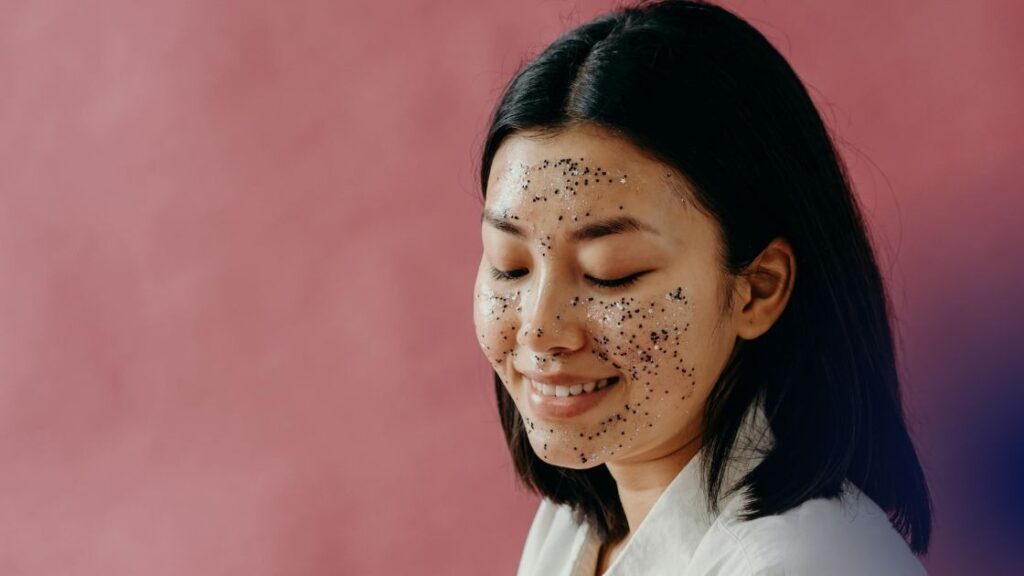
What Exactly Is a Coffee Body Scrub and How Does It Work?
A coffee body scrub is a physical exfoliant that uses ground coffee beans as its primary active ingredient. You typically mix the grounds with a carrier like coconut oil, honey, or olive oil, massage the blend onto damp skin, and rinse it off in the shower.
The mechanism is straightforward. The coarse texture of coffee particles creates gentle friction against the skin, lifting and sweeping away the layer of dead cells that accumulates on the surface daily. This process is called mechanical exfoliation, and it differs from chemical exfoliation, which uses acids like glycolic or salicylic acid to dissolve dead skin.
What sets coffee apart from other physical exfoliants such as sugar or salt is its unique biochemical profile. While sugar merely scrubs the surface, coffee grounds simultaneously deliver caffeine, polyphenols, and fatty acids into the skin. This means you get exfoliation and active skincare in one step.
The Science Behind Coffee as a Skincare Ingredient
Coffee is not just a kitchen staple. It contains several bioactive compounds that have been studied extensively for their effects on skin health.
Caffeine
Caffeine is the most researched compound in coffee for topical use. When applied to the skin, caffeine penetrates the outer barrier and influences blood flow at the capillary level. A peer reviewed study published in Skin Pharmacology and Physiology confirmed that caffeine exhibits significant antioxidant capacity and anti inflammatory activity when absorbed through the skin.
This is why you often feel a mild tingling sensation and notice temporary skin tightening after using a coffee scrub.
Chlorogenic Acid
Chlorogenic acid is a powerful polyphenol concentrated in unroasted and lightly roasted coffee beans. Research published in the Journal of Agricultural and Food Chemistry found that chlorogenic acid helps inhibit melanin production, which plays a role in reducing hyperpigmentation and dark spots over time.
This compound also provides photoprotective benefits, meaning it can help defend skin against damage caused by ultraviolet radiation.
Cafestol and Kahweol
These two diterpene compounds are found in the oily fraction of coffee. They act as natural emollients, helping to seal moisture into the skin after exfoliation. Unlike many scrubs that leave skin feeling tight and dry, coffee scrubs retain a moisturizing effect largely because of these lipid compounds.
7 Proven Benefits of Using a Coffee Body Scrub for Glowing Skin
Coffee scrubs offer far more than basic exfoliation. Here are seven specific benefits supported by dermatological research and clinical observations.
1. Removes Dead Skin Cells and Reveals Fresh Skin
The granular texture of ground coffee physically dislodges the buildup of dead keratinocytes on the skin’s surface. This is the primary reason your skin looks instantly brighter after scrubbing. Removing this dead layer also allows moisturizers and serums to absorb more effectively, increasing the overall performance of your skincare routine.
2. Improves Blood Circulation for a Natural Glow
Topical caffeine acts as a vasodilator, meaning it widens small blood vessels near the skin’s surface. A study published in the International Journal of Dermatology demonstrated that caffeine application measurably improves microcirculation in the skin. Better blood flow brings more oxygen and nutrients to skin cells, which is what produces that visible “glow” after a scrub session.
3. Fights Signs of Premature Aging
Coffee is one of the richest natural sources of antioxidants, including polyphenols and hydrocinnamic acids. These antioxidants neutralize free radicals generated by sun exposure, air pollution, and environmental toxins. Over time, consistent use of a coffee body polish can help reduce the visible effects of oxidative stress, including fine lines, dullness, and loss of skin elasticity.
4. Temporarily Reduces Cellulite Appearance
No topical product can permanently eliminate cellulite, and any brand claiming otherwise is misleading you. However, caffeine does temporarily improve the look of cellulite by stimulating local blood flow and drawing excess water out of fat cells, which creates a tighter, smoother skin surface for several hours.
A comprehensive review published in the Journal of Cosmetic Dermatology confirmed that caffeine remains one of the most widely used and clinically studied active ingredients in cellulite reduction products.
5. Helps Fade Dark Spots and Uneven Skin Tone
The chlorogenic acid in coffee has been shown to interfere with the enzymatic process that produces excess melanin. While a coffee scrub will not replace professional treatments for severe hyperpigmentation, regular use can gradually help even out skin tone and reduce the visibility of minor dark spots, particularly on the legs, arms, and back.
6. May Improve the Appearance of Stretch Marks
Stretch marks form when the dermis layer of skin tears due to rapid stretching. While no topical scrub can fully remove stretch marks, the combination of exfoliation and improved circulation from a coffee scrub can help fade their color and smooth the texture of the surrounding skin. Caffeine’s ability to increase blood flow to the area supports the skin’s natural repair processes over time.
7. Supports Skin Tightening on the Body
Caffeine has a mild diuretic effect when applied topically, which temporarily reduces puffiness and creates a firmer feel across areas like the thighs, upper arms, and abdomen. This is a cosmetic effect, not a permanent structural change, but many people find it noticeably improves how their skin looks and feels for hours after application.
Coffee Scrub vs. Other Natural Exfoliants: Which One Is Better?
Coffee is not the only natural exfoliant available, so how does it compare to popular alternatives? Here is a clear breakdown.
Coffee vs. Sugar Scrub: Sugar granules dissolve in water, making sugar scrubs gentler and better suited for sensitive skin. However, sugar provides zero active skincare benefits beyond exfoliation. Coffee, on the other hand, delivers caffeine and antioxidants simultaneously, making it the more effective option for skin brightening and tightening.
Coffee vs. Salt Scrub: Sea salt is more abrasive than coffee, which makes it excellent for very rough patches like heels and elbows. However, salt can sting open cuts and is too harsh for sensitive areas. Coffee offers a middle ground with strong exfoliation plus anti inflammatory properties that salt lacks.
Coffee vs. Oatmeal Scrub: Oatmeal is the gentlest option and is ideal for irritated or inflamed skin. It soothes rather than stimulates. If your goal is calming redness or eczema flare ups, oatmeal is a better choice. If your goal is brightening and energizing dull skin, coffee wins.
Coffee vs. Turmeric Scrub: Turmeric is prized for its anti inflammatory and skin brightening abilities, but it can stain skin temporarily. Coffee provides comparable brightening effects through a different mechanism (exfoliation plus circulation) without any staining risk.
DIY Coffee Body Scrub Recipes for Every Skin Type
Making your own coffee body scrub for radiant skin takes under five minutes and requires simple ingredients. Below are four tested recipes, each designed for a different skin concern.
Classic Coffee and Coconut Oil Scrub (All Skin Types)
This is the go to recipe for beginners. It balances exfoliation with deep hydration.
Ingredients: Half a cup of medium ground coffee, a quarter cup of melted virgin coconut oil, two tablespoons of brown sugar.
Instructions: Combine all ingredients in a bowl and stir until you get a thick, uniform paste. Apply to damp skin in circular motions, leave for one to two minutes, and rinse with lukewarm water.
Coconut oil is rich in lauric acid, which a study published in the Journal of Dermatological Science found to exhibit both antimicrobial and moisturizing properties beneficial for overall skin health.
Coffee and Honey Scrub (Sensitive or Dry Skin)
Honey calms reactive skin while providing gentle hydration that lasts for hours.
Ingredients: Half a cup of fine ground coffee, three tablespoons of raw organic honey, one tablespoon of extra virgin olive oil.
Instructions: Mix the honey and olive oil first, then fold in the coffee grounds until evenly blended. Apply gently, avoiding any areas with active breakouts or irritation.
Honey is a natural humectant, meaning it pulls moisture from the air into your skin. This makes it particularly valuable in dry climates or during winter months when skin tends to lose hydration quickly.
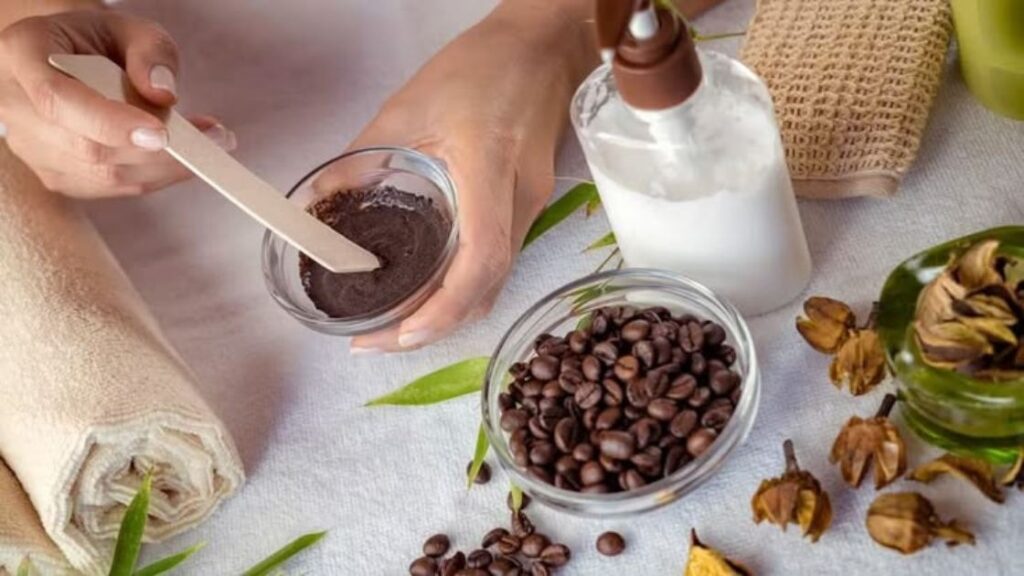
Coffee and Sea Salt Scrub (Oily or Rough Skin)
This heavy duty formula works best on thicker skin areas like knees, elbows, and feet.
Ingredients: Half a cup of coarse ground coffee, a quarter cup of fine sea salt, two tablespoons of jojoba oil.
Instructions: Stir all ingredients together. Apply with firm but not aggressive pressure on target areas. Rinse thoroughly and follow with a lightweight, oil free moisturizer.
Jojoba oil closely mimics the skin’s natural sebum, which makes it an excellent choice for oily skin. It provides hydration without clogging pores or leaving a greasy film.
Coffee and Yogurt Brightening Scrub (Dull or Uneven Skin)
This recipe combines physical exfoliation with the mild chemical exfoliation of lactic acid found naturally in yogurt.
Ingredients: Half a cup of medium ground coffee, three tablespoons of plain unsweetened yogurt, one tablespoon of honey.
Instructions: Mix all ingredients into a smooth paste. Apply to skin, massage gently for 60 seconds per area, and let it sit for two to three minutes before rinsing. The lactic acid in yogurt works alongside the coffee grounds to dissolve and lift dead cells more effectively than scrubbing alone.
How to Apply a Coffee Body Scrub for Maximum Results
Technique matters just as much as the recipe. Follow these steps to get the most out of every scrub session.
Step 1: Shower with warm water for two to three minutes before applying the scrub. Warm water softens the skin’s surface and opens pores, allowing the coffee grounds to work more effectively.
Step 2: Scoop a generous handful of scrub and apply it to one body section at a time. Starting from the feet and working upward encourages lymphatic drainage, which can reduce puffiness.
Step 3: Massage the scrub in slow, circular motions for 30 to 60 seconds per area. Let the texture of the coffee do the work. Pressing too hard can create micro tears in the skin, which leads to irritation rather than improvement.
Step 4: Pay extra attention to areas where dead skin accumulates fastest, including the shins, upper arms, thighs, and lower back.
Step 5: Rinse off completely with lukewarm water. Avoid hot water, which can strip the natural oils your skin needs to stay hydrated.
Step 6: Pat your skin dry with a soft towel and immediately apply a moisturizer or body oil. Your skin absorbs products most efficiently in the few minutes right after exfoliation, so do not skip this step.
How Often Should You Use a Coffee Body Scrub?
Two to three times per week is the recommended frequency for most skin types. This schedule gives your skin enough time to complete its natural cell renewal cycle between sessions.
The American Academy of Dermatology advises limiting physical exfoliation to a few times per week to avoid compromising the skin’s protective barrier. Over exfoliating can cause redness, increased sensitivity, and paradoxically, even more dullness as your skin struggles to repair itself.
If you have sensitive or reactive skin, start with once a week and observe how your skin responds over two to three weeks before increasing the frequency.
Coffee Scrub Precautions: Who Should Be Careful?
Coffee scrubs are safe for most people, but certain skin conditions require extra caution.
Eczema and psoriasis: Physical exfoliants can trigger flare ups on active patches. Avoid scrubbing directly on inflamed or broken skin. If your condition is in a calm phase, you may be able to use a fine ground coffee scrub on unaffected areas, but consult a dermatologist first.
Sunburned skin: Never exfoliate sunburned skin. The barrier is already compromised, and scrubbing will worsen the damage and delay healing.
Open wounds or active acne: Scrubbing over open lesions introduces bacteria and increases the risk of infection or scarring. Wait until the skin has fully healed.
Very sensitive skin: If you react to most physical exfoliants, do a patch test on your inner forearm 24 hours before applying a coffee scrub to larger areas.
Common Mistakes That Ruin Your Coffee Scrub Results
Even a well made scrub can backfire if you use it incorrectly. These are the errors that most people make without realizing.
Using pre brewed or instant coffee. Once coffee has been brewed, most of the caffeine and antioxidants have already been extracted into the liquid. Pre brewed grounds retain only a fraction of their original active compounds. Always use fresh, unbrewed grounds for maximum benefit.
Choosing the wrong grind size. Ultra coarse grounds can scratch delicate skin, while powdery fine grounds will not exfoliate effectively. Medium grind works best for general body use.
Scrubbing aggressively. Harder does not mean better. Aggressive pressure damages the skin barrier and causes inflammation, which counteracts everything the scrub is supposed to do.
Forgetting to moisturize. Exfoliation strips away dead cells along with some of the skin’s natural oils. If you do not replenish moisture immediately afterward, your skin can end up drier and more vulnerable than before.
Storing scrubs improperly. Homemade coffee scrubs last about two weeks at room temperature or up to four weeks in the refrigerator when stored in an airtight container. Any signs of mold, off smell, or texture changes mean it is time to make a fresh batch.
What to Expect After Your First Coffee Scrub
Setting realistic expectations prevents disappointment. Here is what most people notice at each stage.
After the first use: Your skin will feel noticeably smoother and softer. You may see a temporary brightening effect caused by improved circulation. This fades within a few hours but returns with each subsequent session.
After one to two weeks (3 to 6 sessions): Rough patches begin to soften, especially on the arms and legs. Skin tone starts to look more even, and your regular moisturizers absorb more readily.
After one month of consistent use: Most people notice a sustained improvement in skin texture, brightness, and overall radiance. Dark spots may begin fading slightly, and areas prone to dryness feel considerably smoother.
Coffee scrubs are not miracle products. They will not replace professional treatments for deep scarring, severe hyperpigmentation, or medical skin conditions. But for everyday dullness, roughness, and uneven texture, they are one of the most effective natural solutions available.
Conclusion
A coffee body scrub for glowing skin works because it combines physical exfoliation with the proven skincare benefits of caffeine, antioxidants, and natural plant compounds. It brightens dull skin, supports healthy circulation, fights free radical damage, and leaves your body feeling genuinely smooth.
The best part is how accessible it is. A simple mix of ground coffee and coconut oil costs almost nothing, takes minutes to prepare, and delivers results you can see and feel after the very first use. Whether your concern is rough texture, dark spots, cellulite, or just overall radiance, there is a coffee scrub recipe that fits your skin type.
Start with two to three sessions per week, use gentle circular motions, always moisturize afterward, and stay consistent. Your skin will do the rest.
If you try any of the recipes in this guide, share your experience in the comments below. And if someone in your life has been struggling with dull or uneven skin, send them this article. Sometimes the best skincare advice is the simplest.
Can I use a coffee body scrub on my face?
Facial skin is significantly thinner and more sensitive than body skin, so standard coffee scrubs are generally too abrasive for the face. If you want to try coffee on your face, use very finely ground coffee mixed with yogurt or honey to create a gentler formula. Always patch test on a small area near your jawline and wait 24 hours before full application.
Does coffee scrub lighten skin permanently?
Coffee scrubs do not bleach or permanently lighten your natural skin tone. What they do is remove the layer of dead, dull cells on the surface, which reveals the brighter, healthier skin underneath. The chlorogenic acid in coffee may also help fade minor dark spots gradually with consistent use over several weeks.
How long does a homemade coffee scrub last before going bad?
A homemade coffee body scrub stored in a sealed, airtight jar typically stays fresh for about two weeks at room temperature. Refrigeration can extend the shelf life to roughly four weeks. Discard the scrub immediately if you notice any changes in smell, color, or texture, as these indicate bacterial or mold growth.
Is it better to use a coffee scrub before or after shaving?
Using a coffee scrub before shaving delivers the best results. Exfoliating first removes the dead skin cells that trap hairs beneath the surface, which reduces the likelihood of ingrown hairs and razor bumps. It also creates a smoother surface for the razor to glide across. Avoid scrubbing immediately after shaving, as freshly shaved skin is more vulnerable to irritation.
Can I combine a coffee scrub with other skincare treatments?
Yes, but timing matters. Use your coffee scrub first, then follow with treatments like body serums, retinol lotions, or hydrating masks. Freshly exfoliated skin absorbs active ingredients more efficiently. However, avoid pairing a coffee scrub with other physical exfoliants or strong chemical exfoliants like AHA or BHA body washes on the same day, as this can lead to over exfoliation and barrier damage.
What type of coffee roast is best for a body scrub?
Medium roast coffee generally provides the best combination of caffeine content and antioxidant concentration for skincare use. Light roasts retain slightly more chlorogenic acid, which benefits skin brightening, while dark roasts contain less caffeine overall. Avoid flavored coffees, as the added chemicals and oils can irritate sensitive skin. Plain, unflavored, medium roast beans ground to a medium consistency work best for most people.