A body skin care routine for black skin should address the specific needs of melanin-rich complexions, from moisture retention to hyperpigmentation prevention. Yet most mainstream advice ignores these realities entirely.
Black skin produces more melanin, which provides natural photoprotection but also makes the skin more reactive to inflammation, scarring, and uneven tone. According to a 2014 study published in the Journal of Clinical and Aesthetic Dermatology, people with darker skin tones experience transepidermal water loss (TEWL) at significantly higher rates than lighter complexions, making targeted hydration non-negotiable.
This guide walks you through a complete, evidence-based body skin care routine for black skin that dermatologists and skincare professionals recommend. Every step is designed to combat dryness, fade dark spots, strengthen your skin barrier, and reveal the luminous glow your skin is capable of.
Table of Contents

Why Black Skin Needs a Dedicated Body Care Routine
Most body care products are formulated for an average skin profile that does not account for the unique biology of melanin-rich skin. Skipping a tailored routine leads to chronic ashiness, stubborn hyperpigmentation, and a weakened moisture barrier.
Research from the International Journal of Dermatology shows that Black skin has lower ceramide levels in the stratum corneum, the outermost protective layer. Ceramides are lipids that hold moisture in and keep irritants out. When these levels drop, dryness accelerates and the risk of post-inflammatory hyperpigmentation rises sharply after any irritation or injury.
A well-structured body skin care routine for black skin directly counteracts these vulnerabilities by replenishing lipids, delivering consistent hydration, and minimizing triggers that cause discoloration.
Understanding the Science Behind Melanin-Rich Skin
Melanin Production and UV Exposure
Melanin acts as a natural sunscreen with an estimated SPF of roughly 13, according to the Skin Cancer Foundation. While this offers some baseline protection, it is nowhere near sufficient to prevent cumulative UV damage, premature aging, or dark spot formation.
The misconception that dark skin does not need sunscreen remains one of the most harmful myths in skincare. A 2016 study in the Journal of the American Academy of Dermatology found that melanoma in Black patients is often diagnosed at later stages precisely because of this false sense of security.
Transepidermal Water Loss and Dryness
Black skin loses water through the epidermis faster than other skin types. This phenomenon, known as TEWL, explains why many people with darker complexions experience persistent tightness and visible ashiness within hours of bathing.
Ingredients such as hyaluronic acid, glycerin, shea butter, and ceramides are critical for creating an occlusive seal that slows this water loss and keeps skin supple throughout the day. The Cleveland Clinic confirms that occlusive moisturizers are the most effective intervention for skin prone to high transepidermal water loss.
Post-Inflammatory Hyperpigmentation
When melanin-rich skin experiences trauma, whether from a cut, an insect bite, acne, or aggressive exfoliation, the melanocytes overreact and deposit excess pigment at the site of injury. This is post-inflammatory hyperpigmentation (PIH), and it is the number one skin concern among Black adults, according to the American Academy of Dermatology.
Preventing PIH requires gentle handling, avoiding harsh physical scrubs, and incorporating brightening actives such as niacinamide and vitamin C into your routine.
The 5-Step Body Skin Care Routine for Black Skin
Step 1: Cleanse With a Sulfate-Free Body Wash
Start every shower with a gentle, sulfate-free cleanser. Sulfates such as sodium lauryl sulfate (SLS) strip the skin of its natural oils and compromise the moisture barrier, leaving melanin-rich skin vulnerable to dryness and irritation.
Look for body washes containing oat extract, coconut-derived surfactants, or aloe vera. Brands like SheaMoisture, Dove Sensitive Skin, and CeraVe Hydrating Body Wash are excellent, affordable options that clean without drying. Keep water temperature lukewarm, as hot water accelerates moisture loss.
Step 2: Exfoliate Gently Once or Twice a Week
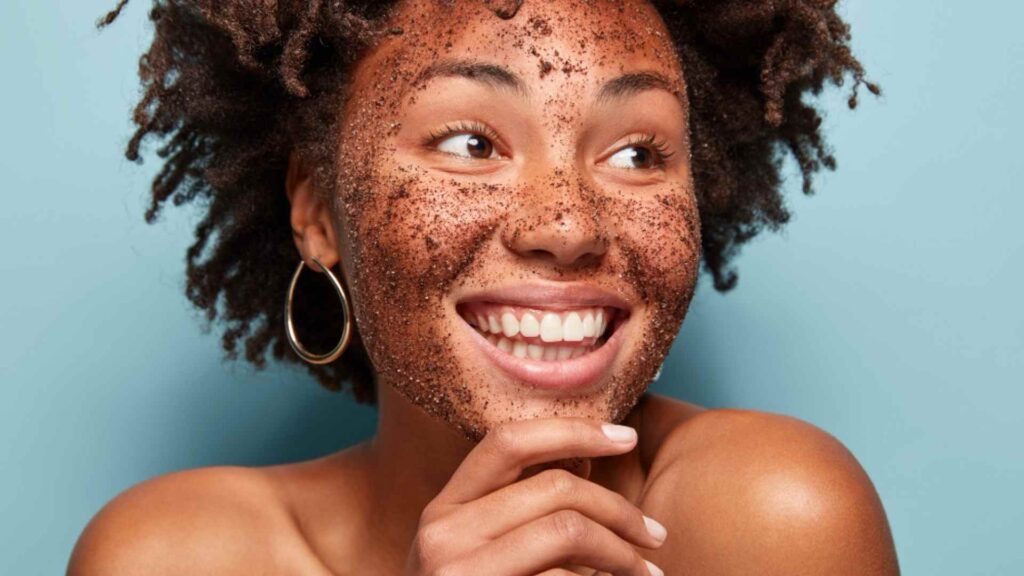
Exfoliation removes the buildup of dead skin cells that causes ashiness and dullness. For black skin, chemical exfoliants are far safer than physical scrubs, which can create micro-tears and trigger PIH.
Glycolic acid (an alpha hydroxy acid) at concentrations between 8 and 12 percent is effective for body use. Lactic acid is a gentler alternative that also provides mild hydration. The Paula’s Choice Skincare Guide notes that AHAs are particularly well-suited for addressing surface dullness and uneven texture on the body. Limit exfoliation to one or two sessions per week to avoid irritation.
Step 3: Moisturize on Damp Skin Immediately After Showering
This is the single most important step. Applying a rich body cream or butter within two to three minutes of toweling off traps moisture in the skin before it evaporates. Dermatologists call this the three-minute rule, and the National Eczema Association recommends it as a cornerstone of effective skin hydration.
Choose emollients that contain shea butter, cocoa butter, squalane, mango butter, or vitamin E. These ingredients mimic the natural lipids in the skin barrier and provide hours of protection against dryness. Avoid lotions with denatured alcohol, artificial fragrance, or mineral oil as primary ingredients, since these can irritate or suffocate melanin-rich skin over time.
Step 4: Treat Dark Spots and Hyperpigmentation
For areas with existing discoloration, apply a targeted serum or treatment body lotion containing one or more proven brightening ingredients. Niacinamide (vitamin B3) reduces melanin transfer between cells and visibly fades dark marks within 8 to 12 weeks of consistent use, as demonstrated in a study published in the British Journal of Dermatology (Hakozaki et al., 2002).
Other effective ingredients include vitamin C (L-ascorbic acid), alpha arbutin, kojic acid, and licorice root extract. A comprehensive review in the Journal of Cosmetic Dermatology confirms that these agents inhibit tyrosinase activity, the enzyme responsible for excess melanin production. Apply directly to problem areas after moisturizing and allow full absorption before dressing.
Step 5: Apply Broad-Spectrum Sunscreen to Exposed Skin
Sun protection is essential for every skin tone. Choose a broad-spectrum SPF 30 or higher that does not leave a white or grey cast on darker complexions. Tinted mineral sunscreens and newer-generation chemical sunscreens from brands like Black Girl Sunscreen, Unsun Cosmetics, and La Roche-Posay Anthelios are formulated with melanin-rich skin in mind.
Reapply every two hours when outdoors. The Skin Cancer Foundation emphasizes that unprotected sun exposure is the leading cause of worsening hyperpigmentation, even in skin with high melanin levels.
Best Ingredients for Black Skin: Quick Reference
| Ingredient | Primary Benefit | Best For | Found In |
| Shea Butter | Deep moisture + barrier repair | Chronic dryness, ashiness | Body creams, raw butter |
| Niacinamide | Fades dark marks, evens tone | Hyperpigmentation, PIH | Serums, body lotions |
| Glycolic Acid | Chemical exfoliation | Rough texture, dullness | Body peels, toners |
| Vitamin C | Brightening + antioxidant | Dark spots, sun damage | Serums, treatment lotions |
| Ceramides | Restores skin barrier | TEWL, irritation-prone skin | CeraVe, prescription creams |
| Hyaluronic Acid | Attracts and holds water | Dehydrated skin layers | Serums, gel moisturizers |
Common Body Care Mistakes That Damage Black Skin
- Using bar soaps with high pH levels that destroy the acid mantle and strip protective oils
- Skipping sunscreen based on the false belief that melanin provides complete UV protection
- Over-exfoliating with harsh scrubs, triggering inflammation and post-inflammatory dark spots
- Applying lotion to completely dry skin instead of damp skin, reducing absorption by up to 50 percent
- Ignoring ingredient labels and unknowingly using products containing denatured alcohol, parabens, or synthetic fragrances that irritate sensitive melanin-rich skin
Seasonal Adjustments for Your Body Skin Care Routine
Winter and Dry Climates
Cold air and indoor heating strip moisture from the environment, compounding the TEWL issues Black skin already faces. Switch to thicker butter-based moisturizers during colder months. The Mayo Clinic recommends using a humidifier in your bedroom to maintain skin hydration overnight.
Summer and Humid Climates
In warmer weather, lighter gel-cream formulas prevent clogged pores while still delivering adequate hydration. Increase sunscreen application frequency and consider a body mist with hyaluronic acid to refresh hydration throughout the day without a heavy feel.
What Dermatologists Say About Caring for Melanin-Rich Skin
Board-certified dermatologists who specialize in skin of color consistently stress three pillars: hydration, gentle handling, and daily sun protection. Dr. Susan Taylor, a leading expert in ethnic skin and founding director of the Skin of Color Center at St. Luke’s Roosevelt Hospital, has repeatedly emphasized that Black patients benefit most from routines that prioritize barrier repair over aggressive active ingredients.
The American Academy of Dermatology also recommends that people with darker skin tones patch-test all new products, introduce active ingredients gradually, and consult a dermatologist experienced with melanin-rich skin when dealing with persistent hyperpigmentation or scarring.
Final Thoughts
Building a body skin care routine for black skin is not about following trends or buying expensive products. It is about understanding your skin at a biological level and giving it exactly what it needs: gentle cleansing, consistent hydration, targeted treatment, and daily protection.
The evidence is clear. Melanin-rich skin thrives when treated with intention. Every step you take, from switching to a sulfate-free body wash to applying sunscreen on overcast days, compounds into visible, lasting results. Your skin carries your story. A dedicated routine ensures that story is told with radiance and confidence.
How often should I moisturize if I have black skin?
Ideally twice daily, once after your morning shower and once before bed. Always apply to damp skin to maximize absorption. In dry climates or winter months, you may benefit from a midday touch-up on exposed areas like hands, elbows, and knees.
Can black skin get sunburned?
Yes. While melanin provides some natural UV defense, Black skin can absolutely burn, especially during prolonged exposure. The Skin Cancer Foundation confirms that sunburn accelerates aging and worsens hyperpigmentation. A broad-spectrum SPF 30 should be part of every body skin care routine for black skin, regardless of season.
What is the best body lotion for dark skin?
Look for body lotions containing shea butter, ceramides, or hyaluronic acid. CeraVe Moisturizing Cream, SheaMoisture Raw Shea Butter Body Lotion, and Eucerin Advanced Repair are dermatologist-recommended options that deliver deep hydration without leaving residue or a white cast.
How do I get rid of dark spots on my body?
Consistent use of brightening ingredients like niacinamide, vitamin C, or alpha arbutin can visibly reduce dark spots over 8 to 12 weeks. Avoid picking at blemishes or scars, wear sunscreen daily, and consider professional treatments such as chemical peels for stubborn discoloration. The AAD recommends consulting a dermatologist specializing in skin of color for the safest approach.
Is exfoliating safe for black skin?
Absolutely, when done correctly. Chemical exfoliants like glycolic acid or lactic acid are preferred over physical scrubs because they dissolve dead cells evenly without causing micro-tears. Limit exfoliation to one or two sessions per week, and always follow with a rich moisturizer to prevent dryness or irritation.
Why does my black skin look ashy even after moisturizing?
Ashiness after moisturizing usually means the product is too lightweight for your skin type, or you are applying it to completely dry skin. Switch to a butter-based or cream-based moisturizer and apply it within three minutes of showering while your skin is still damp. This simple change dramatically reduces ashiness for most people.