Choosing the best body soap in winter can mean the difference between cracked, irritated skin and a smooth, healthy glow all season long. When temperatures plummet and indoor heating dries out the air, your regular cleanser may no longer be enough.
According to dermatologists at Columbia University, cold weather and low humidity deplete your skin’s natural oils, causing water to escape through the outer barrier and leaving it dehydrated (Columbia University Irving Medical Center). This guide walks you through the ingredients, soap types, expert bathing techniques, and real-world tips that will keep your skin nourished throughout the coldest months.
Table of Contents
Why Winter Changes Your Skin Dramatically
Your skin’s outermost layer, the stratum corneum, acts as a moisture-retaining shield. During winter, freezing outdoor air combined with warm, dry indoor environments creates a relentless cycle of dehydration.
The Science Behind Seasonal Dryness
A clinical study published in the Journal of Skin Pharmacology and Physiology found that indoor humidity in heated rooms can drop below 20%, significantly increasing transepidermal water loss (TEWL). This accelerates moisture evaporation from the skin’s surface (PMC – Effects of Winter Indoor Environment on the Skin).
Dr. Jennifer Stein, a dermatologist at NYU Langone Health, explains that winter dryness is primarily about the skin’s top barrier losing its ability to hold moisture effectively. The constant shift between freezing outdoor conditions and heated indoor spaces puts additional stress on this protective layer (CNN Health).
Common Winter Skin Problems
Without the right body wash or moisturizing soap, winter can trigger a cascade of uncomfortable conditions. Persistent dryness may progress into dermatitis, with symptoms that go far beyond simple flakiness.
The American Academy of Dermatology warns that cracked skin from cold-weather dryness can even raise the risk of bacterial infections, since breaks in the barrier allow pathogens to enter (American Academy of Dermatology). Issues like eczema flare-ups, painful cracking on hands and heels, redness, and constant itchiness become far more common during cold months.
Key Ingredients to Look for in a Winter Body Wash
Not every soap is built for harsh weather. The difference between a winter-safe cleanser and one that worsens dryness comes down to its ingredient list.
Glycerin: The Gold Standard Humectant
A 2016 study identified glycerin as the single most effective humectant compared to other common skincare compounds. It draws moisture from the environment into your skin and helps prevent evaporation (Aveeno – Glycerin in Skincare). Look for soaps where glycerin appears in the first five ingredients for maximum hydration benefits.
Shea Butter: Deep Moisture and Barrier Repair
Research published in 2025 demonstrated that shea butter application reduced transepidermal water loss by 37.8% and boosted skin hydration by 58% within just 24 hours. Its rich profile of oleic, stearic, and linoleic fatty acids directly strengthens the skin’s lipid matrix (ResearchGate – Shea Butter and Skin Barrier Function).
Other Powerhouse Ingredients
- Coconut oil: Forms a natural occlusive layer that prevents moisture escape and softens rough patches.
- Colloidal oatmeal: Clinically proven to soothe inflammation and relieve itching associated with eczema and winter rashes.
- Ceramides: These naturally occurring skin lipids repair the barrier at a cellular level, replenishing what cold weather strips away.
- Hyaluronic acid: Holds up to 1,000 times its weight in water, delivering intense hydration when paired with an occlusive moisturizer.
- Vitamin E: Acts as an antioxidant that repairs UV and environmental damage while supporting skin elasticity.
Ingredients You Should Avoid
Harsh sulfates like sodium lauryl sulfate (SLS) strip oils aggressively and can trigger irritation, especially in winter. Alcohol-based formulas and synthetic fragrances also compromise an already weakened skin barrier. If a soap leaves your skin feeling tight immediately after rinsing, that’s a clear sign it is too harsh for cold-weather use.
Types of Moisturizing Soap Ideal for Cold Weather
Understanding which cleanser category suits your skin type narrows down the overwhelming number of choices on store shelves.
Cream-Based Body Washes
These thick, rich formulas contain higher concentrations of emollients like shea butter and cocoa butter. They are particularly effective for people with extremely dry or mature skin. A cream-based body wash leaves behind a light moisturizing film that continues to protect skin after you towel off.
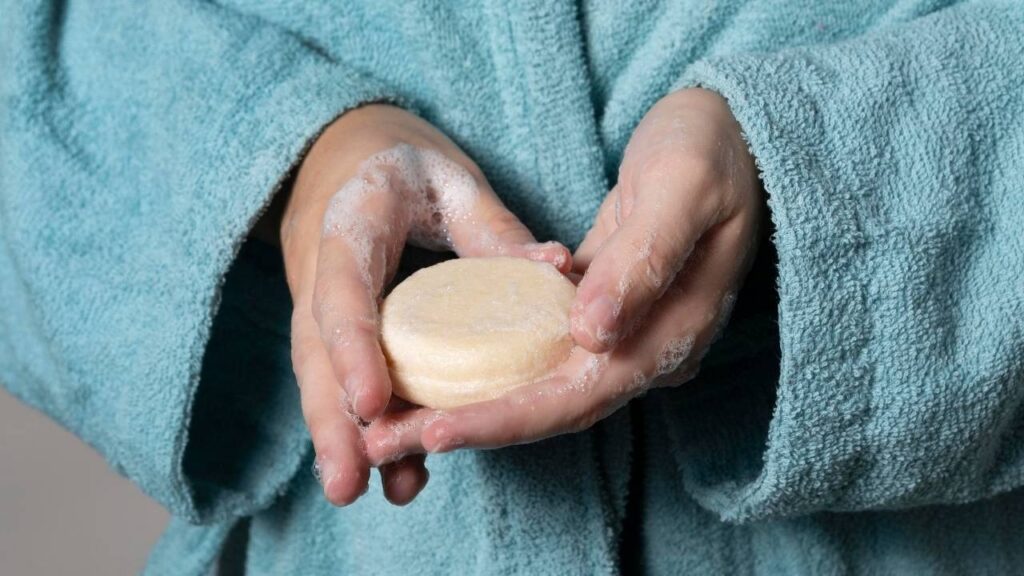
Oil-Infused Bar Soaps
Traditional bar soaps enriched with olive oil, argan oil, or jojoba oil provide a lasting hydration layer. Many dermatologists recommend these for winter because the oils mimic the skin’s natural sebum, making them less likely to disrupt the barrier.
Soap-Free Syndets (Synthetic Detergent Bars)
Syndet bars maintain a pH of around 5.5, which closely matches healthy skin. Unlike traditional soaps that tend to be alkaline, soap-free cleansers are the safest option for sensitive or eczema-prone skin during winter.
Hydrating Shower Oils
A newer category gaining traction, shower oils cleanse gently while depositing a thin nourishing layer on the skin. They work well as a complement to cream-based moisturizers applied post-shower.
Dermatologist-Approved Winter Bathing Routine
Even the best body soap in winter will underperform if paired with poor bathing habits. How you bathe matters just as much as what products you use.
Water Temperature and Shower Duration
Hot showers feel incredible on a freezing day, but they accelerate moisture loss by dissolving your skin’s natural oils. Dermatologist Dr. Elizabeth Kiracofe recommends lukewarm water and limiting showers to 5–10 minutes (American Academy of Dermatology). Think of it as a quick rinse rather than an extended soak.
How to Apply Your Cleanser Properly
Use gentle, circular motions and focus cleansing on odor-prone areas like underarms, feet, and the groin. For arms, legs, and the torso, a quick pass with your hydrating body wash is sufficient. Over-scrubbing strips away oils your skin desperately needs in winter.
The 3-Minute Post-Shower Rule
Dermatologists widely agree: apply your moisturizer within three minutes of stepping out of the shower. Your skin is still slightly damp at this point, and a cream or lotion locks that residual water into the barrier. Pat dry gently with a soft towel rather than rubbing.
Add a Humidifier to Your Bedroom
Dr. Kiracofe also recommends running a cool-mist humidifier at night to counteract the drying effects of indoor heating. This passive step supports your skin’s recovery while you sleep and can significantly reduce morning dryness (AAD – Cold Weather and Your Skin).
Benefits of Switching to a Winter-Specific Cleanser
Using a hydrating body cleanser designed for cold weather delivers benefits that go well beyond avoiding dry skin.
- Stronger skin barrier: Moisturizing ingredients reinforce the lipid layer, reducing vulnerability to irritants and allergens.
- Fewer eczema flare-ups: Gentle, pH-balanced formulas help keep inflammatory conditions under control during peak dry season.
- Reduced infection risk: Intact skin without cracks means bacteria and fungi have a much harder time entering the body.
- Improved skin texture: Consistent use of nourishing soaps visibly smooths rough patches and restores a healthy radiance.
- Long-lasting comfort: No more post-shower tightness or midday itchiness that disrupts your focus.
How to Choose the Right Product for Your Skin Type
Dry Skin
Prioritize cream-based or oil-infused formulas packed with shea butter and glycerin. Avoid anything marketed as “deep clean” or “oil-control,” as these tend to strip moisture aggressively.
Sensitive or Eczema-Prone Skin
Opt for fragrance-free syndet bars or soap-free cleansers with colloidal oatmeal and ceramides. Patch-test any new product on a small area before full-body application. Consulting a board-certified dermatologist can help you identify specific triggers.
Oily or Combination Skin
Even oily skin loses hydration in winter. Choose a lightweight, gel-based cleanser with glycerin and hyaluronic acid that hydrates without clogging pores. Avoid heavy butter-based soaps that may feel too rich.
Normal Skin
You have the most flexibility. A gentle body wash with a mix of glycerin and a light emollient will maintain your skin’s balance. Switch from your summer cleanser to something slightly richer from November through March.
Practical Tips from Real Winter Skincare Routines
Swap your loofah for a soft washcloth. Rough exfoliation tools micro-damage the barrier and worsen winter dryness.
Layer your body care: apply a hydrating serum or body oil on damp skin first, then seal with a thick cream. This two-step approach mirrors the humectant-plus-occlusive strategy dermatologists recommend.
Keep a travel-size moisturizer in your bag. Reapplying to exposed areas like hands and face during the day prevents cumulative drying, especially if you work in a climate-controlled office.
Wash your winter clothing in fragrance-free detergent. Harsh laundry chemicals transfer to fabric and can irritate sensitized winter skin with every wear.

Final Thoughts
Winter does not have to mean months of discomfort, flaking, and irritated skin. By choosing a hydrating body cleanser rich in proven ingredients like glycerin, shea butter, and ceramides, you give your skin the tools it needs to stay resilient.
Pair your cleanser with smart habits: keep showers short and lukewarm, moisturize within three minutes, and run a humidifier overnight. These small shifts compound into a dramatically healthier winter skincare routine.
Your skin is your body’s largest organ and its first line of defense. Investing a few extra minutes and a few extra dollars into the right cold-weather soap is one of the simplest ways to protect it all season long.
Is bar soap or body wash better for winter?
Both can work well if they contain the right ingredients. Oil-infused bar soaps and cream-based body washes are equally effective. The key factor is the ingredient list, not the product format. Avoid any formula with harsh sulfates or drying alcohols.
How often should I shower in winter?
Most dermatologists recommend showering once daily or even every other day during cold months. Excessive bathing strips natural oils faster than they can regenerate. If you exercise daily, focus cleansing only on the areas that need it and simply rinse the rest.
Can I use the same soap in summer and winter?
It’s generally better to adjust your cleanser seasonally. Summer soaps may prioritize oil control and freshness, while the best body soap in winter focuses on hydration and barrier protection. Making the switch around October or November gives your skin time to adapt before peak cold weather arrives.
Does water hardness affect winter skin dryness?
Yes. Hard water contains high levels of calcium and magnesium, which can leave a residue on skin and interfere with soap lathering. If you live in a hard-water area, consider installing a shower filter or choosing syndet bars, which perform better in mineral-rich water.
When should I see a dermatologist about winter skin issues?
If your skin remains inflamed, cracked, or itchy despite consistent moisturizing and gentle cleansing, it may have progressed beyond simple dryness into dermatitis. Dr. Kiracofe advises not to wait until skin is bleeding or severely painful before seeking professional help (AAD).