Basic drag makeup is the transformative art form that turns an everyday face into a show-stopping stage persona. Whether you are a first-time performer or a beauty enthusiast exploring theatrical artistry, mastering these techniques unlocks a world of creative self-expression that goes far beyond conventional cosmetics.
The global makeup market was valued at roughly $45.95 billion in 2025 and is projected to reach $81.55 billion by 2034, growing at a 6.72% compound annual growth rate (Fortune Business Insights). Drag artistry is a significant driver of mainstream beauty trends, with techniques like contouring and baking originating backstage at drag clubs before reaching everyday consumers.
This guide walks you through every essential technique, from skin preparation and color correction to dramatic contouring and eye enlargement, using insights gathered from professional drag performers and makeup artists.
Table of Contents
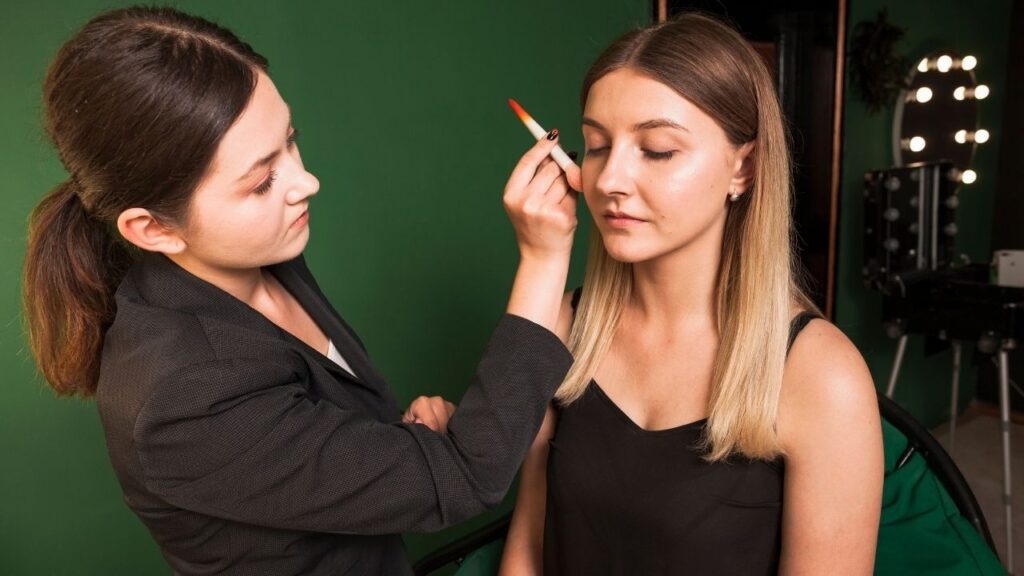
Understanding the Art of Basic Drag Makeup
Basic drag makeup is not simply a heavier version of everyday cosmetics. It is a structured, multi-layered process designed to completely reshape facial features under stage lighting. Artists strategically place light and shadow to create illusions of higher cheekbones, narrower noses, and dramatically larger eyes.
According to a MasterClass tutorial featuring RuPaul, the host of RuPaul’s Drag Race uses five different foundation shades in a single application. This layered approach demonstrates how drag-level coverage differs fundamentally from daily beauty routines.
Most professional drag queens spend between two and three hours completing a single face, according to industry sources. That investment of time reflects the precision and artistry required to achieve camera-ready, stage-worthy results.
The Historical Roots of Theatrical Face Painting
Ancient Origins and Cultural Traditions
Theatrical face painting stretches back thousands of years. Greek and Roman performers applied white lead and plant-derived pigments so their expressions could be seen by distant audience members. Japanese Kabuki theater developed its own elaborate painting traditions that continue to influence modern drag aesthetics.
Egyptian performers used kohl and malachite to craft bold eye looks that commanded attention under torchlight. These ancient practices established the foundational connection between exaggerated cosmetics and live performance.
Evolution into Modern Drag Culture
New York City’s ballroom culture of the 1960s and 1970s pushed the boundaries of creative face transformation. Performers in underground clubs developed signature styles that challenged gender norms while celebrating individuality.
The mainstream explosion of drag artistry accelerated with television. RuPaul’s Drag Race, which has aired over sixteen seasons, introduced contouring and baking techniques to millions of viewers worldwide. As professional makeup artist Derek Medina noted in a Refinery29 feature, clients now actively request dramatic transformations that were once considered exclusive to the drag world.
Essential Products for Basic Drag Makeup
Choosing the right products makes the difference between a polished stage look and a patchy result. Drag-specific formulas are designed for opacity, longevity under hot lights, and heavy layering.
| Product | Purpose | Pro Tip |
| Glue Stick | Flattens and conceals natural eyebrows | Apply 6-8 thin layers, letting each dry before the next |
| Color Corrector | Neutralizes beard shadow and undertones | Orange for dark shadow, peach for lighter complexions |
| Full-Coverage Foundation | Creates an opaque, even base canvas | RuPaul uses five shades for dimension (MasterClass) |
| Cream Contour | Sculpts and reshapes bone structure | Blend jaw contour onto the neck to avoid harsh lines |
| Setting Powder | Locks makeup in place for hours | Pack generously for baking; sweep away after 10 minutes |
| False Lashes | Adds drama and enlarges the eye area | Stack two or three pairs for stage-level volume |
Step-by-Step Basic Drag Makeup Application
Step 1: Skin Preparation and Brow Blocking
Start with a freshly cleansed and moisturized face. Apply rubbing alcohol to areas where tape or adhesive will be used, as this removes oil and improves adhesion. Shave any facial hair closely unless a shadow is part of your intended persona.
Brow blocking is the technique of flattening and concealing natural eyebrows so new ones can be drawn in a different position. Apply a washable glue stick in thin layers across each brow, pressing hairs flat with a spatula. Professional artist Derek Medina spent a full 30 minutes blocking a single brow during a class at Kryolan in New York, underscoring how much patience this step demands.
Step 2: Color Correction and Foundation
Color correction is the secret weapon of basic drag makeup. Apply orange or peach-toned corrector over any visible beard shadow or discoloration. This step is critical because even the thickest foundation cannot fully conceal blue or grey undertones on its own.
Layer a full-coverage theatrical foundation over the corrected skin. Use a damp beauty sponge for seamless blending. Match the shade to your chest rather than your face for the most natural color under stage lights. Build coverage gradually instead of applying one heavy coat.
Step 3: Contouring for Dramatic Facial Restructuring
Contouring is where basic drag makeup truly diverges from everyday beauty routines. Using cream products several shades darker than your foundation, sculpt artificial shadows that reshape the entire face.
Key Contouring Placements
- Draw contour lines along both sides of the nose to create a narrower, more refined bridge.
- Sweep a hollow shadow from the ear toward the corner of the mouth to define cheekbones.
- Shade beneath the jawline to achieve a sculpted, angular profile.
- Apply darker tones along the temples and hairline to reduce the appearance of a wider forehead.
- Place a thin contour line beneath the lower lip to enhance the illusion of fullness.
Drag queen Gia Gunn, known from RuPaul’s Drag Race, advises turning to the side and using natural facial shadows as a guide for contour placement (Ipsy). Manila Luzon, another Drag Race veteran, recommends contouring twice, once before and once after setting powder, to maintain shadow intensity throughout a performance.
Step 4: Baking and Setting
Baking is a technique that originated in the drag community and has since entered mainstream beauty routines. Pack a generous amount of loose translucent powder onto contoured and highlighted areas, then leave it undisturbed for 10 to 15 minutes. The body heat underneath melts the powder into the foundation, creating a creaseless, locked-in finish.
Drag queen Vanessa Vanjie Mateo describes baking as making your makeup resistant to virtually anything, from stage heat to physical performance (Ipsy). After the baking period, sweep away excess powder with a clean fluffy brush.
Step 5: Eye Transformation and Enlargement
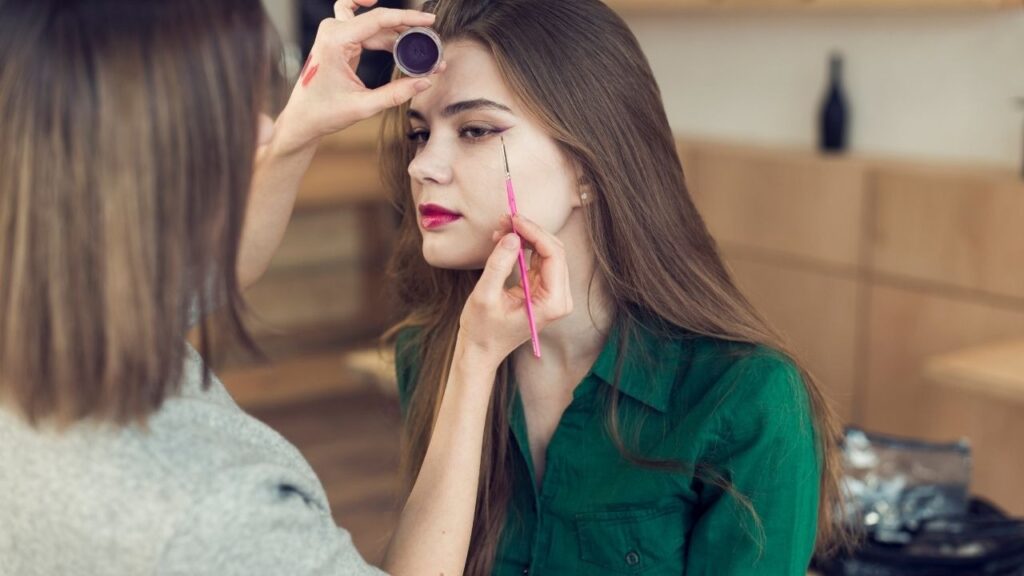
Eyes are the centerpiece of any basic drag makeup look. The goal is to make eyes appear dramatically larger and more expressive than they naturally are, so they read clearly from stage distances.
Begin by cutting the crease. Apply a concealer or light eyeshadow well above your natural crease line to create an entirely new, higher eye socket. This single technique is responsible for the signature wide-eyed appearance seen in professional drag.
Apply bold eyeshadow colors within the new crease, blending darker shades into the outer corners and lighter tones toward the inner eye. Line the waterline with white or nude pencil to open up the eye area further. Stack two or three pairs of false lashes to achieve the volume and length required for stage visibility.
Alyssa Edwards, a renowned Drag Race performer, emphasizes that eyebrow maintenance is just as crucial as eye makeup itself. Poorly drawn brows undermine even the most skillfully executed eye transformation (All About Vision).
Step 6: Lips, Blush, and Finishing Touches
Overline the lips with a liner two to three shades darker than your chosen lipstick to create depth and a fuller appearance. Fill in with a vibrant shade that complements your overall color story, then top with gloss for dimension.
Apply blush to the apples of the cheeks to add warmth and life. Finish with rhinestones, glitter accents, or shimmer placed strategically to catch stage lighting. Seal the entire face with a strong-hold setting spray designed for long-wear performance.
Common Mistakes Beginners Make with Basic Drag Makeup
- Applying too little product: Drag requires significantly heavier coverage than everyday makeup. Thin layers look washed out under stage lighting.
- Rushing the brow block: Insufficient glue layers leave visible brow texture that breaks the illusion. Invest the time in six to eight thin coats.
- Neglecting color correction: Skipping this step causes beard shadow and undertones to show through foundation, even at full coverage.
- Blending too little or too aggressively: Harsh contour lines destroy the illusion, while over-blending eliminates the shadow effect entirely. Find the middle ground.
- Using everyday products instead of theatrical formulas: Drugstore foundations lack the opacity and heat resistance required for performance conditions.
How Drag Makeup Techniques Reshaped the Beauty Industry
The beauty techniques popularized by drag performers now generate billions in mainstream product sales. Contouring, highlighting, baking, and overlined lips were all backstage drag secrets before becoming Instagram beauty staples.
According to McKinsey’s State of Beauty 2025 report, the beauty industry grew at 7% annually from 2022 to 2024, outpacing both inflation and general consumer spending. Social media platforms like TikTok and Instagram played a pivotal role, with roughly 70% of beauty purchases now influenced by social media or influencer content.
Drag performers were among the earliest beauty influencers on YouTube. Their tutorials introduced millions of viewers to professional-level techniques that had previously circulated only within tight-knit performance communities. Today, products like stippling brushes, baking powders, and multi-shade contour palettes exist on drugstore shelves largely because of drag’s cultural influence.
Building Confidence Through Consistent Practice
Mastering basic drag makeup is a journey, not a single lesson. Photograph every practice session from multiple angles so you can identify areas needing improvement. Review your images under different lighting conditions, since stage lights reveal flaws that bathroom mirrors hide.
Start with simpler looks that focus on one technique at a time, such as a clean contour or a single bold eye. Once each skill feels natural, combine them into a complete face. Professional tutorials from Drag Race alumni on YouTube are an excellent free resource for ongoing learning.
Expect your first several attempts to feel uncomfortable and imperfect. Even seasoned performers describe early efforts as messy. The key is consistency: each session strengthens muscle memory for blending angles, color placement, and product control.
How long does it take to apply basic drag makeup?
Most beginners should set aside three to four hours for a complete face. Experienced performers typically finish in two to three hours. Speed comes naturally with repeated practice.
What is the most important technique for beginners to learn first?
Brow blocking is widely considered the foundational skill. Without a smooth, concealed brow, it becomes impossible to reshape the eye area and create an effective transformation.
Can I use regular drugstore makeup for drag?
While you can practice with everyday products, theatrical and professional-grade formulas deliver significantly better results. They offer higher pigment concentration, better opacity, and longer wear under heat and perspiration.
How do I remove drag makeup without damaging my skin?
Use a dedicated oil-based makeup remover or micellar cleansing water to dissolve heavy layers. Follow with a gentle foam cleanser and moisturizer. For the brow block, warm water softens the glue before you gently peel it away.
What is baking in drag makeup?
Baking involves packing loose powder onto highlighted and contoured areas, then leaving it in place for 10 to 15 minutes. Body heat sets the makeup underneath, creating a creaseless, matte finish that lasts for hours.
Do I need to shave before applying drag makeup?
Most performers shave closely for a smoother canvas, though some intentionally keep stubble for gender-bending looks. A clean shave combined with color correction provides the most seamless base for full-coverage application.
Conclusion
Basic drag makeup is a powerful blend of art, technique, and self-expression that anyone can learn with the right guidance and consistent practice. From brow blocking and color correction to dramatic contouring and eye transformation, each step builds upon the last to create a truly stunning result.
The techniques outlined in this guide are the same ones used by professional queens on stages and screens around the world. Start with quality products, invest time in deliberate practice, and remember that even the most celebrated performers once struggled with clumpy brow glue and unblended contour lines. Your transformation journey begins with a single attempt.