Activated charcoal bath soak benefits include deep skin detoxification, reduced acne breakouts, calmer inflammation, faster muscle recovery, and improved sleep quality. Whether you are new to natural wellness or already familiar with detox bathing, charcoal soaks deliver a unique combination of cleansing and relaxation that ordinary baths simply cannot match.
So what makes this pitch black bathwater so effective? Activated charcoal is a form of carbon that has been treated at extremely high temperatures to create millions of microscopic pores across its surface. These pores give it an extraordinary ability to bind to toxins, dirt, bacteria, and excess oil through a process known as adsorption. Unlike absorption, where a substance is soaked up into another material, adsorption means that chemicals and impurities physically cling to the outer surface of the charcoal. This distinction matters because it explains why activated charcoal works so effectively as a surface level purifier for your skin without penetrating deep into your body.
This guide covers every major benefit in detail, walks you through how to prepare a charcoal bath at home, compares charcoal soaks to other popular detox baths, and answers the most common questions people ask before trying one for the first time.
Table of Contents
What Exactly Is an Activated Charcoal Bath Soak?
An activated charcoal bath soak is a self care practice where food grade activated charcoal powder or charcoal infused bath products are dissolved in warm bathwater. You then soak your body for 20 to 30 minutes, allowing the charcoal to draw impurities from your skin while the warm water opens your pores.
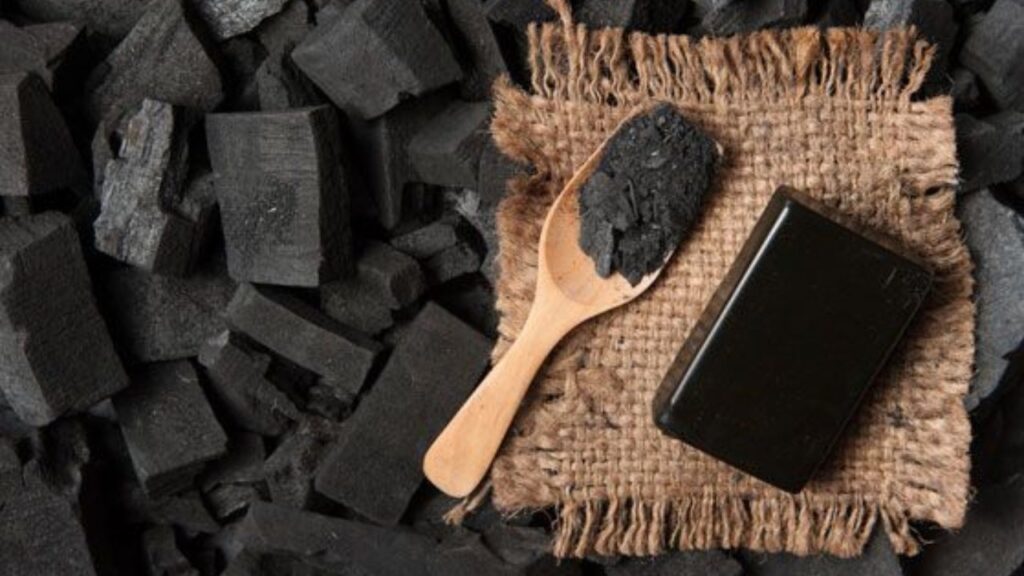
It is important to understand that the activated charcoal used in baths is completely different from barbecue briquettes. Bath grade charcoal is produced by superheating natural carbon sources like coconut shells, bamboo, or hardwood in the absence of oxygen. This activation process, described in detail by the National Library of Medicine, creates an internal network of pores that dramatically increases the material’s surface area and its capacity to trap unwanted substances.
Activated charcoal has a long history in clinical medicine. Hospitals have used it for decades to treat cases of poisoning and drug overdose because of its remarkable ability to bind to harmful chemicals before the body absorbs them. That same adsorption property is what makes it a compelling ingredient for external skincare and bath rituals.
Quick snapshot of what a charcoal bath soak typically includes:
| Component | Purpose |
| Activated charcoal powder | Draws out impurities, toxins, and bacteria from skin |
| Epsom salt (optional add in) | Relaxes muscles and aids mineral absorption |
| Essential oils (optional) | Provides aromatherapy and skin nourishment |
| Warm water (92 to 100°F) | Opens pores for deeper cleansing |
Top Activated Charcoal Bath Soak Benefits You Should Know
Charcoal bath soaks offer a wide range of benefits that extend well beyond surface level cleansing. Below are the most significant advantages, explained through the lens of how activated charcoal actually interacts with your skin and body.
1. Deep Skin Detoxification
The primary reason most people try an activated charcoal detox bath is to purify their skin at a deeper level than daily washing allows. Activated charcoal has an extraordinarily large surface area. Research published in the Journal of the American Chemical Society has documented that a single gram of high quality activated charcoal can possess a surface area exceeding 3,000 square meters. That vast surface allows it to trap bacteria, environmental chemicals, heavy metals, and microscopic debris lodged inside your pores.
When you soak in a charcoal bath for 20 to 30 minutes, the warm water causes your pores to dilate. The activated charcoal then binds to the pollutants sitting on and just beneath your skin’s surface, pulling them away as the water circulates. This deep cleansing effect is especially valuable for people living in cities or industrial areas where skin is constantly bombarded by air pollution and environmental toxins.
2. Helps Reduce Acne and Body Breakouts
If you deal with persistent acne on your back, chest, shoulders, or jawline, a charcoal bath soak targets those hard to reach areas that topical creams and spot treatments frequently miss. Activated charcoal binds to excess sebum, the oily substance your skin naturally produces, without stripping away the protective moisture your skin barrier needs to stay healthy.
A review featured by Dermatology Times noted that charcoal based skincare formulations are gaining credibility among board certified dermatologists as a gentle, non drying option for managing oily and breakout prone skin. Soaking your entire body allows the charcoal to address acne across multiple zones simultaneously, which makes it far more efficient than applying individual products to each affected area.
3. Soothes Skin Irritation and Inflammation
People living with eczema, psoriasis, contact dermatitis, or general skin sensitivity often find meaningful relief through consistent charcoal bath use. The adsorption mechanism helps lift irritants, allergens, and chemical residues off the skin’s surface that can trigger inflammatory flare ups. Meanwhile, the warm water itself encourages blood flow to affected areas, which supports your body’s natural healing response.
Activated charcoal is not a replacement for prescribed dermatological treatments. However, many integrative health practitioners recommend charcoal baths as a complementary practice that can reduce the frequency and intensity of flare ups over time. The key is regularity. A single soak offers a noticeable cleansing effect, but consistent use over several weeks tends to produce more meaningful improvements in redness, itching, and overall skin texture.
4. Draws Out Odor Causing Bacteria
Activated charcoal does not simply cover up body odor the way fragranced bath products do. It goes after the root cause by binding to the bacteria on your skin’s surface that produce unpleasant smells in the first place. Because charcoal traps these microorganisms through adsorption, the deodorizing effect lasts significantly longer than what you get from a standard bath or shower.
This particular benefit of a charcoal body soak is especially relevant for athletes, outdoor workers, or anyone with an active lifestyle who notices lingering body odor despite maintaining good hygiene habits.
5. Supports Muscle Recovery After Exercise
A charcoal and Epsom salt bath soak after a tough workout can accelerate your body’s recovery process. During exercise, your muscles produce metabolic waste products, including lactic acid, that contribute to soreness and stiffness. Soaking in warm charcoal infused water helps draw some of those byproducts through the skin while the heat encourages vasodilation, a process where blood vessels widen to deliver more oxygen and nutrients to damaged tissue.
According to the Cleveland Clinic, warm water immersion promotes vasodilation and can meaningfully reduce post exercise muscle tension. Adding activated charcoal enhances the purifying dimension of the soak, giving your recovery bath a dual purpose: relaxation and detoxification working together.
6. Promotes Better Sleep Quality
Taking an activated charcoal bath 60 to 90 minutes before bedtime can noticeably improve both sleep onset and sleep depth. A meta analysis published in the journal Sleep Medicine Reviews found that passive body heating through a warm bath one to two hours before bed helps lower core body temperature afterward, which is a biological signal your brain uses to initiate the sleep cycle.
The ritual of soaking in a charcoal bath, especially when combined with calming essential oils like lavender or chamomile, trains your nervous system to associate the experience with winding down. Over time, this becomes a reliable, non pharmaceutical sleep strategy for anyone dealing with occasional restlessness or difficulty falling asleep.
7. May Help Reduce the Appearance of Cellulite
No bath product can permanently eliminate cellulite, and any product claiming otherwise should be treated with skepticism. However, regular charcoal bath soaks may temporarily improve skin texture and firmness. Activated charcoal stimulates circulation at the surface of the skin and helps reduce fluid retention in tissues, which can soften the dimpled appearance that commonly shows up on thighs, hips, and buttocks.
For enhanced results, many wellness practitioners suggest dry brushing your skin for two to three minutes before stepping into the bath. The brushing exfoliates dead skin cells and encourages lymphatic drainage, while the charcoal soak follows up by pulling impurities from freshly opened pores. This combination creates a more thorough cleansing experience than either method alone.
Do Charcoal Baths Actually Work, or Is It Just Hype?
This is a fair question, and the honest answer falls somewhere in the middle. The science behind activated charcoal’s adsorption properties is well established and extensively documented in toxicology and chemistry research. There is no debate about its ability to bind to certain chemicals and organic compounds on contact.
Where the evidence gets thinner is in the specific claims about “full body detoxification.” Your liver and kidneys handle the vast majority of internal detox work, and no bath can replace those organs. What a charcoal bath genuinely does well is cleanse your skin more thoroughly than soap and water alone, remove surface level impurities, and provide a calming, restorative sensory experience.
According to Harvard Health Publishing, the concept of “detox” in the wellness industry is often overstated, but that does not mean practices like charcoal baths have zero value. The skin is your body’s largest organ, and keeping it clean at a deeper level supports its natural protective function. The relaxation, muscle recovery, and sleep benefits are also grounded in well documented warm water therapy research, not just charcoal marketing.
The takeaway: approach charcoal baths as a genuinely effective skin cleansing and relaxation ritual rather than a miracle cure. With that realistic expectation, most people find the benefits well worth the effort.
Activated Charcoal Bath vs. Other Detox Baths: How Do They Compare?
If you are exploring natural detox bath options, it helps to understand how activated charcoal stacks up against other popular choices. Each type targets slightly different concerns.
| Bath Type | Best For | How It Works | Potential Drawback |
| Activated charcoal bath | Deep pore cleansing, acne, odor removal | Adsorbs impurities and bacteria from skin surface | Can stain light tubs and towels |
| Bentonite clay bath | Heavy metal exposure, sensitive skin | Clay particles bind to positively charged toxins | Can clog drains if not dissolved properly |
| Apple cider vinegar bath | pH balancing, fungal skin issues | Acidic environment discourages bacterial overgrowth | Strong smell, may irritate open cuts |
| Epsom salt bath | Muscle soreness, stress relief | Magnesium absorption through skin aids relaxation | Limited cleansing or detox effect on its own |
| Oatmeal bath | Eczema, dry skin, itching | Colloidal oatmeal forms a protective skin barrier | Does not draw out impurities |
| Baking soda bath | Skin irritation, sunburn, yeast issues | Alkaline environment soothes inflamed skin | Not effective for deep cleansing |
For the most comprehensive home detox experience, many people combine activated charcoal with Epsom salt in a single bath. This pairing gives you deep pore cleansing from the charcoal alongside muscle relaxation and magnesium absorption from the salt.
How to Prepare the Perfect Activated Charcoal Bath Soak at Home
Preparing a charcoal bath at home is simple and takes less than five minutes. Follow these steps for the best results.
Step 1: Fill your bathtub with warm water between 92 and 100°F (33 to 38°C). Water that is too hot will dehydrate your skin and may reduce the charcoal’s effectiveness. Lukewarm to comfortably warm is ideal.
Step 2: Add 2 to 4 tablespoons of food grade activated charcoal powder to the running water. Swirl it gently with your hand to distribute evenly. The water will turn dark gray or black, which is completely normal.
Step 3: Mix in 1 to 2 cups of Epsom salt for added muscle relaxation and mineral support.
Step 4: Add 5 to 10 drops of an essential oil suited to your goals. Tea tree oil works well for acne prone skin. Lavender promotes relaxation. Eucalyptus supports respiratory clarity.
Step 5: Soak for 20 to 30 minutes. Rinse off with clean water afterward and apply a gentle moisturizer while your skin is still slightly damp to lock in hydration.
What to look for when buying activated charcoal for baths: Always choose products labeled as food grade or cosmetic grade. Coconut shell activated charcoal is widely considered the highest quality option because of its fine texture and superior adsorption capacity. Avoid industrial grade charcoal, which may contain chemical additives that irritate skin. Products certified by NSF International are generally reliable for personal care use.
Safety Precautions and Who Should Avoid Charcoal Baths
Activated charcoal baths are considered safe for the majority of healthy adults, but a few important precautions deserve your attention.
Staining risk: Charcoal will temporarily discolor white or light colored bathtubs, grout, and towels. Rinse your tub immediately after draining the water and use dark colored towels during your soak to prevent permanent marks. A mild bathroom cleaner removes residual discoloration quickly.
Sensitive or very dry skin: If your skin tends to react to new products, start with just one tablespoon of charcoal in your first bath and observe how your skin responds over the next 24 hours. The American Academy of Dermatology recommends patch testing any new skincare ingredient on a small area before full body use.
Who should consult a doctor first: People who are pregnant, nursing, or currently taking prescription medications should speak with their healthcare provider before trying charcoal baths. Anyone with open wounds, active skin infections, or severe skin conditions should also get medical clearance first.
Hydration reminder: Warm baths cause you to sweat, which leads to fluid loss. Drink a full glass of water before and after your charcoal soak to stay properly hydrated.
Topical Range: Related Wellness Practices Worth Exploring
If activated charcoal bath soaks have sparked your interest in natural body care, several related practices can complement and enhance your routine.
Dry brushing involves using a firm bristled brush on dry skin before bathing to stimulate lymphatic drainage and remove dead cells. Pairing this with a charcoal soak creates a powerful one two cleansing ritual.
Bentonite clay masks and baths use negatively charged clay particles to attract positively charged toxins, making them a strong companion to charcoal based detox routines.
Infrared sauna therapy targets deep tissue detoxification through heat penetration, offering benefits that complement the surface level cleansing of a charcoal bath.
Magnesium flake baths focus on stress reduction and nervous system support through transdermal magnesium absorption, making them an excellent alternative on nights when you want relaxation without the charcoal cleanup.
Oatmeal baths are ideal for extremely sensitive or eczema prone skin on days when charcoal feels too intense. They form a soothing, protective barrier that calms itching and redness.
Exploring these adjacent practices alongside your charcoal bath routine builds a well rounded, holistic approach to skin health and total body wellness.
Final Thoughts on Activated Charcoal Bath Soak Benefits
Activated charcoal bath soak benefits are real, practical, and accessible to anyone with a bathtub and a bag of food grade charcoal. From pulling impurities and acne causing bacteria out of your pores to easing sore muscles and helping you sleep more soundly, this natural wellness ritual addresses multiple concerns in a single 30 minute session.
The science behind adsorption is well documented, and the warm water therapy that accompanies every charcoal soak adds its own layer of proven health benefits. The key is setting realistic expectations. A charcoal bath will not replace your dermatologist or cure chronic conditions, but as a regular part of your self care routine, it delivers noticeable improvements in skin clarity, body comfort, and overall relaxation.
Start with one charcoal bath per week and pay attention to how your skin looks and feels over the following days. Most people notice softer skin and fewer breakouts within two to three sessions. If the experience resonates with you, build it into a weekly ritual and experiment with different essential oil combinations to find your ideal soak.
Have you tried an activated charcoal bath yet? Share your experience in the comments below, or pass this guide along to someone who has been curious about charcoal soaks but has not taken the plunge yet.
What does an activated charcoal bath do for your body?
An activated charcoal bath cleanses your skin by using adsorption to bind to impurities, excess oil, and bacteria on the surface. It also promotes relaxation through warm water immersion, supports post exercise muscle recovery, and can improve skin clarity with consistent weekly use.
How often should you take a charcoal bath soak?
One to two activated charcoal baths per week is the most commonly recommended frequency among wellness practitioners. Starting with a single weekly soak allows you to gauge your skin’s response before increasing to twice per week.
Can activated charcoal baths help with eczema or psoriasis?
Charcoal baths are not a medical treatment for eczema or psoriasis, but many people with these conditions report reduced irritation and less frequent flare ups when charcoal soaks are used alongside their prescribed treatment plans. The charcoal helps lift surface irritants that can aggravate sensitive skin.
Will activated charcoal stain my bathtub?
Activated charcoal can leave a temporary gray or black residue on lighter colored tubs and grout. Rinsing the tub immediately after draining and wiping it down with a mild bathroom cleaner prevents lasting discoloration in nearly all cases.
Is it safe to use activated charcoal in bath water?
Food grade and cosmetic grade activated charcoal is considered safe for external use by most healthy adults. People with extremely sensitive skin, open wounds, or certain medical conditions should consult a dermatologist before their first charcoal bath. A patch test is always a smart precaution.
What is the best type of activated charcoal for bath soaks?
Coconut shell activated charcoal is widely regarded as the top choice for bath use due to its exceptionally fine texture and high adsorption capacity. Always select products that are clearly labeled food grade or cosmetic grade and sourced from a reputable supplier.
How long should you soak in a charcoal bath?
A soak time of 20 to 30 minutes is ideal for most people. This duration gives the warm water enough time to open your pores fully and allows the charcoal to bind effectively to surface impurities. Soaking longer than 40 minutes can lead to excessive skin dryness.
What is the difference between adsorption and absorption in charcoal baths?
Adsorption means that impurities stick to the outer surface of the charcoal particles rather than being soaked into them. Absorption, by contrast, involves a substance being drawn inside another material. Activated charcoal works through adsorption, which is why it is so effective at trapping toxins, bacteria, and oils on contact with your skin.