Basic drag makeup is the foundation every aspiring queen needs to master before stepping into the spotlight.Have you ever wondered how drag performers create those jaw-dropping, camera-ready transformations? Whether you’re preparing for your first performance or simply exploring artistic self-expression, understanding these techniques opens doors to endless creativity.
This comprehensive guide walks you through professional contouring methods, color correction basics, and eye enlargement tricks that industry artists swear by. You’ll discover how to work with theatrical foundations, master brow blocking techniques, and achieve that signature glamorous finish seen on stages worldwide.
From selecting the right products to blending like a pro, we’ve compiled expert insights that transform beginners into confident artists. Ready to unlock your most dramatic transformation yet? Let’s dive into the artistry that makes drag makeup truly magical.
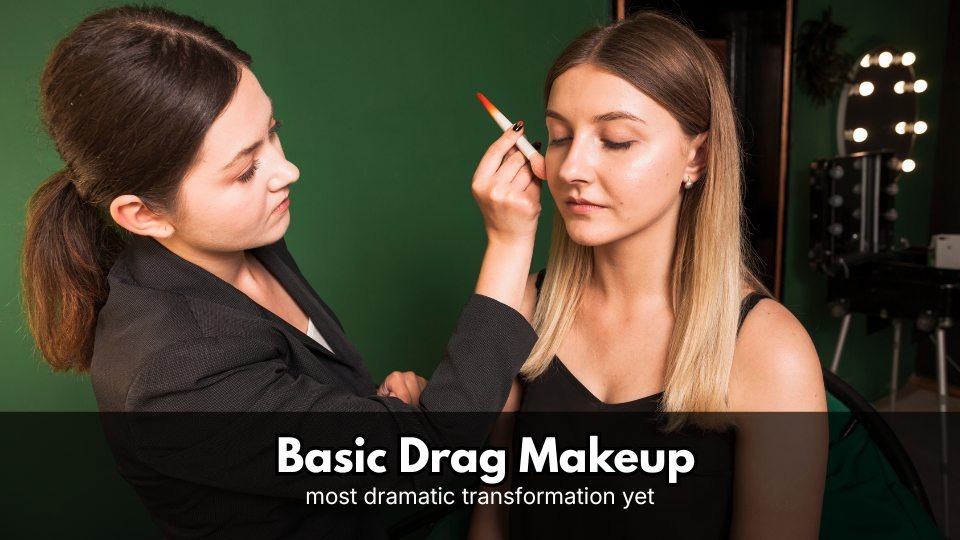
Understanding the Art of Facial Transformation Through Basic Drag Makeup
Basic drag makeup represents one of the most theatrical and transformative art forms in the beauty world. Unlike everyday cosmetics application, this technique completely reshapes facial features to create an entirely new persona. The practice involves strategic layering of products, precise color placement, and an understanding of how light interacts with different textures. Artists who master these skills can make eyes appear twice their natural size, cheekbones look razor sharp, and lips seem impossibly full.
The artistry requires patience, practice, and a willingness to experiment with unconventional methods. Many beginners feel overwhelmed when first attempting facial transformation techniques, but breaking down the process into manageable steps makes everything more approachable. Understanding the purpose behind each product and technique helps build confidence over time.
The Historical Journey of Theatrical Face Painting
Origins in Ancient Performance Art
Theatrical face painting dates back thousands of years to ancient civilizations. Greek and Roman performers used white lead and plant based pigments to make their expressions visible to distant audience members. Japanese Kabuki theater developed elaborate face painting traditions that influenced modern drag aesthetics significantly.
The connection between stage performance and exaggerated cosmetics has always existed across cultures. Egyptian performers used kohl and malachite to create dramatic eye looks that commanded attention under torchlight. These historical practices laid the groundwork for what eventually evolved into contemporary stage makeup traditions.
Evolution into Modern Drag Culture
The twentieth century saw basic drag makeup transform from underground performance art into mainstream entertainment. Ballroom culture in New York City during the 1960s and 1970s pushed boundaries with creative face transformation techniques. Performers developed signature looks that challenged gender norms while celebrating artistic expression.
Television competitions and social media platforms have since elevated drag artistry to unprecedented visibility. Professional performers now share tutorials that help newcomers learn contouring secrets and highlighting methods previously known only to industry insiders.
Essential Techniques Every Beginner Must Learn
Foundation and Color Correction Methods
Creating a flawless base requires understanding how theatrical foundation differs from everyday products. Full coverage formulas designed for stage work provide the opacity needed to completely transform skin appearance. Color correction underneath the foundation neutralizes natural undertones and creates a blank canvas.
Orange and peach tones cancel out beard shadow on individuals with facial hair. Purple correctors address sallow undertones while green neutralizes redness. Applying these corrections before foundation ensures the final look photographs beautifully under various lighting conditions.
Contouring for Dramatic Facial Restructuring
Contouring in basic drag makeup goes far beyond what typical beauty routines involve. Artists use cream products several shades darker than their foundation to create artificial shadows. These shadows reshape the nose, define cheekbones, slim the jaw, and create the illusion of a completely different bone structure.
The key techniques include:
- Applying contour along the sides of the nose to make it appear narrower and more refined
- Creating hollow cheekbone shadows that begin at the ear and angle toward the mouth corner
- Defining the jawline with darker shades to achieve a more sculpted appearance
- Blending forehead contour to minimize or emphasize specific features depending on desired results
- Using contour beneath the lower lip to create the illusion of fuller pout
Eye Transformation and Enlargement Secrets
In basic drag makeup eyes become the focal point of any successful drag transformation. Artists cut their natural crease and create a new one significantly higher using eyeshadow and liner. This technique makes eyes appear larger and more expressive from stage distances.
Applying white or nude liner to the waterline opens up the eye area dramatically. False lashes stacked in layers add dimension and drama that natural lashes cannot achieve. Glitter and rhinestone placement adds sparkle that catches stage lighting beautifully.
Overcoming Common Challenges in Learning Basic Drag Makeup
Many newcomers struggle with basic drag makeup because they approach it like a regular cosmetics application. The techniques require heavier product application than most people find comfortable initially. Blending must be more precise while overall coverage needs to be significantly more opaque.
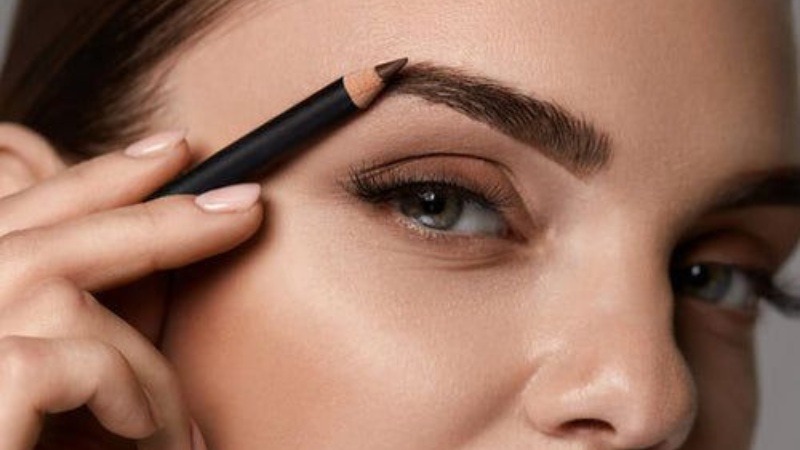
Another frequent challenge involves brow blocking, which temporarily covers natural eyebrows to allow artists to draw new ones in different positions. This technique uses glue sticks and multiple layers of product. Achieving a smooth, undetectable brow cover takes considerable practice and patience.
Product selection also presents difficulties for beginners. Professional stage products differ substantially from drugstore offerings. Investing in quality theatrical formulas designed for heavy wear under hot lights makes achieving polished results much easier.
Building Confidence Through Consistent Practice
Mastering basic drag makeup requires dedicating time to regular practice sessions. Recording progress through photographs helps identify areas needing improvement. Watching professional tutorials provides inspiration while revealing industry secrets that accelerate skill development.
Starting with simpler looks before attempting complex transformations builds foundational skills gradually. Each practice session strengthens muscle memory for blending techniques and color placement. The transformation journey becomes as rewarding as the final stunning results achieved through dedicated effort and artistic exploration.
Conclusion:
Mastering basic drag makeup opens doors to incredible artistic expression and personal transformation. Throughout this guide, you have explored essential techniques including theatrical foundation application, dramatic contouring methods, and eye enlargement secrets that professional performers rely upon. Understanding color correction, brow blocking, and proper blending transforms beginners into confident artists over time.
The journey from novice to skilled performer requires patience, quality products, and consistent practice sessions. Basic drag makeup is not merely about applying cosmetics but rather about creating art that celebrates individuality and creative freedom. Start practicing today and watch your transformation skills flourish with each new attempt.