Dealing with rough face treatment challenges can feel frustrating when your skin refuses to cooperate despite your best efforts. That bumpy, uneven texture staring back at you in the mirror affects more than just your appearance it impacts your confidence too. Whether you’re battling dry patches, clogged pores, or persistent skin roughness, you’re certainly not alone in this struggle.
The good news? Science has made remarkable progress in understanding what causes textured skin and how to fix it effectively. This comprehensive guide explores clinically proven solutions that actually deliver results. From gentle exfoliation techniques and hydrating serums to professional chemical peels and retinoid therapies, we’ll walk you through evidence-based approaches that dermatologists recommend. You’ll discover which ingredients target uneven skin texture, learn about lifestyle factors affecting your complexion, and find personalized strategies to achieve the smooth, radiant skin you deserve.
Understanding Rough Facial Skin: What Causes Uneven Texture
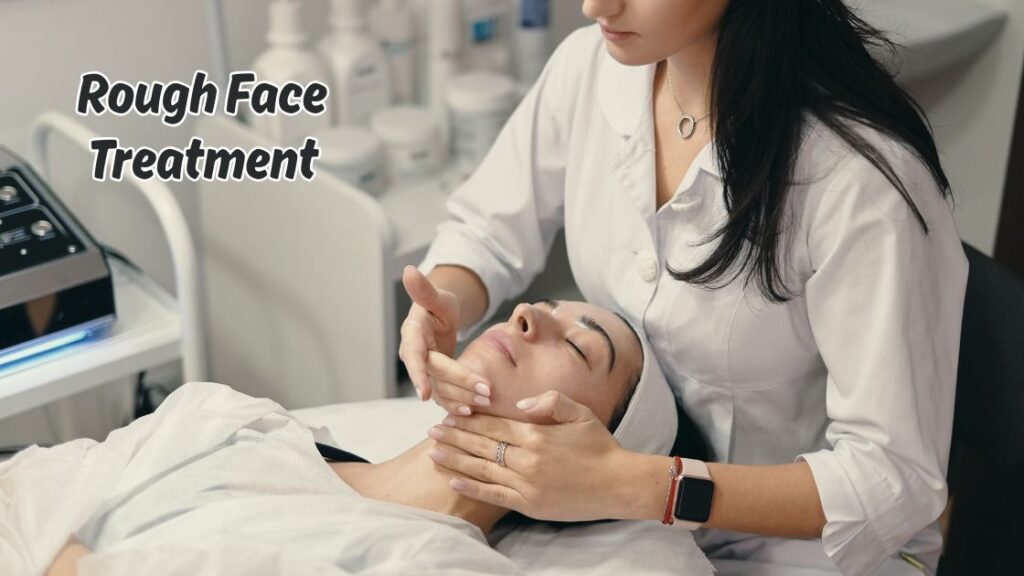
Before diving into rough face treatment options, understanding why your skin develops that bumpy texture matters significantly. Rough facial skin occurs when dead cells accumulate on the surface, creating an uneven appearance that feels coarse to touch. Several factors contribute to this common skincare concern.
Environmental aggressors like pollution, sun exposure, and harsh weather conditions damage your skin barrier over time. Additionally, aging naturally slows cell turnover, meaning dead skin lingers longer than it should. Dehydration, hormonal fluctuations, and certain skin conditions like keratosis pilaris or eczema also play crucial roles in creating textured skin.
Genetics influence your skin type and how prone you are to roughness. Those with naturally dry or sensitive skin often experience more texture issues than their oily skinned counterparts. Understanding your specific triggers helps you select the most effective treatment approach for lasting results.
Clinical Research Behind Effective Skin Smoothing Methods
The Science of Exfoliation
Modern rough face treatment strategies rely heavily on exfoliation science. Clinical studies confirm that both physical and chemical exfoliation methods successfully remove dead skin cells and promote cellular renewal. However, research consistently shows chemical exfoliants deliver superior results with less irritation risk.
Alpha hydroxy acids like glycolic and lactic acid work by dissolving the bonds between dead cells. A 2019 dermatological study found participants using glycolic acid treatments experienced measurable improvements in skin smoothness within eight weeks. Beta hydroxy acids, particularly salicylic acid, penetrate deeper into pores, making them excellent for texture caused by congestion.
Retinoid Therapy for Texture Improvement
Retinoids remain the gold standard in rough face treatment according to decades of research. These vitamin A derivatives accelerate cell turnover dramatically, pushing fresh cells to the surface faster. Clinical trials demonstrate that consistent retinoid use reduces roughness, minimizes pore appearance, and improves overall skin clarity.
Starting with lower concentrations prevents the initial irritation many users experience. Dermatologists typically recommend beginning with retinol products before progressing to prescription strength tretinoin for stubborn texture concerns.
Professional Treatment Options Worth Considering
Chemical Peels and Their Benefits
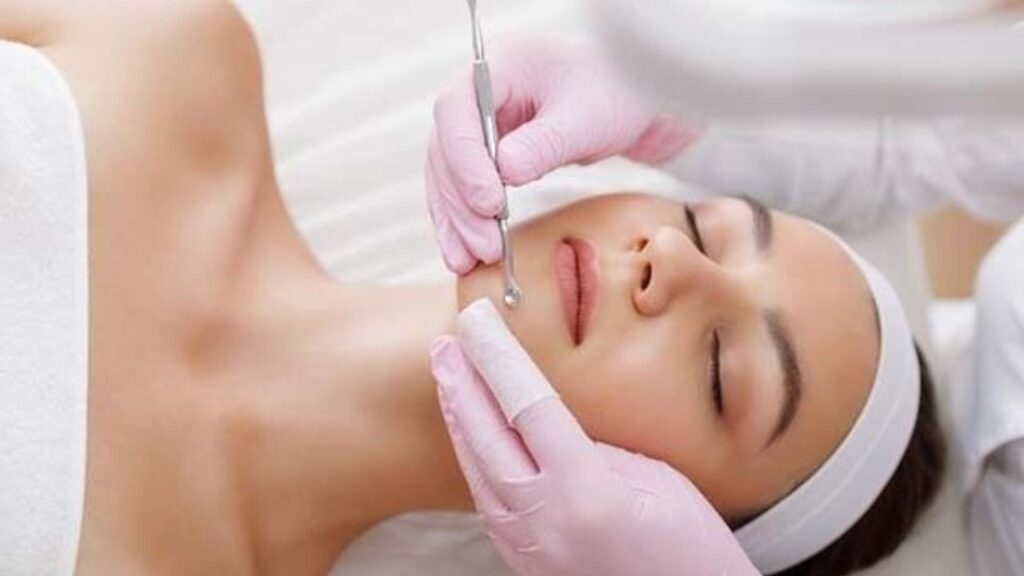
Professional chemical peels offer intensive rough face treatment solutions that home products cannot match. These controlled acid applications remove damaged outer layers, revealing smoother skin beneath. Depending on your texture severity, you might benefit from superficial, medium, or deep peel options.
Superficial peels using mild acids require minimal downtime and suit most skin types. Medium depth peels address more significant roughness but need recovery time. Your dermatologist can recommend the appropriate strength based on your specific skin assessment.
Microdermabrasion and Microneedling
These popular procedures provide mechanical approaches to achieving smooth skin texture. Microdermabrasion gently sands away the outermost skin layer using fine crystals or diamond tips. Research shows it effectively reduces roughness when performed in series treatments.
Microneedling creates controlled micro injuries that trigger your skin’s healing response. This process boosts collagen production and encourages new cell growth. Studies indicate microneedling significantly improves skin texture, particularly when combined with topical serums during treatment.
Home Care Strategies for Smoother Skin
Implementing effective rough face treatment at home requires consistency and proper product selection. Building a targeted routine addresses texture concerns gradually while maintaining skin health.
Essential Ingredients to Look For
- Hyaluronic acid deeply hydrates and plumps rough, dehydrated skin
- Niacinamide strengthens the skin barrier while refining texture
- Vitamin C brightens and promotes collagen synthesis
- Ceramides repair damaged barriers causing dryness and roughness
- Urea gently exfoliates while providing intense moisture
Daily Routine Recommendations
Your morning routine should focus on protection and hydration. Cleanse gently without stripping natural oils, apply antioxidant serums, moisturize adequately, and always finish with broad spectrum sunscreen. Sun protection prevents further damage that worsens texture.
Evening routines allow for active rough face treatment ingredients. After cleansing, apply your chosen exfoliant or retinoid product. Follow with hydrating serums and richer night moisturizers that support overnight repair processes.
Lifestyle Factors Affecting Skin Texture
Beyond topical treatments, certain habits influence your skin’s smoothness significantly. Adequate hydration keeps skin cells plump and healthy. Aim for eight glasses of water daily minimum.
Your diet impacts skin quality more than many realize. Foods rich in omega fatty acids, antioxidants, and vitamins support skin health from within. Limiting sugar and processed foods reduces inflammation that contributes to texture problems.
Quality sleep allows your skin time for repair and regeneration. During deep sleep, your body produces growth hormones essential for cellular renewal. Prioritizing seven to nine hours nightly supports your rough face treatment efforts considerably.
Conclusion
Achieving lasting results with rough face treatment requires patience, consistency, and the right approach tailored to your specific skin needs. From clinically proven exfoliants and retinoids to professional procedures like chemical peels and microneedling, multiple pathways lead to smoother, healthier looking skin.
Remember that combining topical solutions with proper hydration, balanced nutrition, and adequate sleep amplifies your results significantly. Whether you choose home care strategies or professional interventions, understanding what causes your uneven skin texture helps you make informed decisions.
Start with gentler rough face treatment methods before progressing to intensive options. Consult a dermatologist if persistent roughness concerns you. With dedication and evidence based approaches, that smooth, radiant complexion you desire is absolutely achievable.