Dealing with uneven skin tone and stubborn dark spots can be frustrating, but understanding spot pigmentation treatment options can help restore your skin’s natural glow. Whether caused by sun exposure, acne scars, or hormonal changes, pigmentation issues affect confidence and overall appearance. In this article, we explore a range of effective solutions, including laser therapy, chemical peels, topical creams, and natural remedies, to help you achieve a more even complexion. You’ll also learn about preventive measures, skincare routines, and professional advice to maintain long-lasting results. By the end, you’ll have a clear understanding of the best approaches for managing pigmentation, improving skin texture, and boosting self confidence.
Understanding Spot Pigmentation and Its Causes
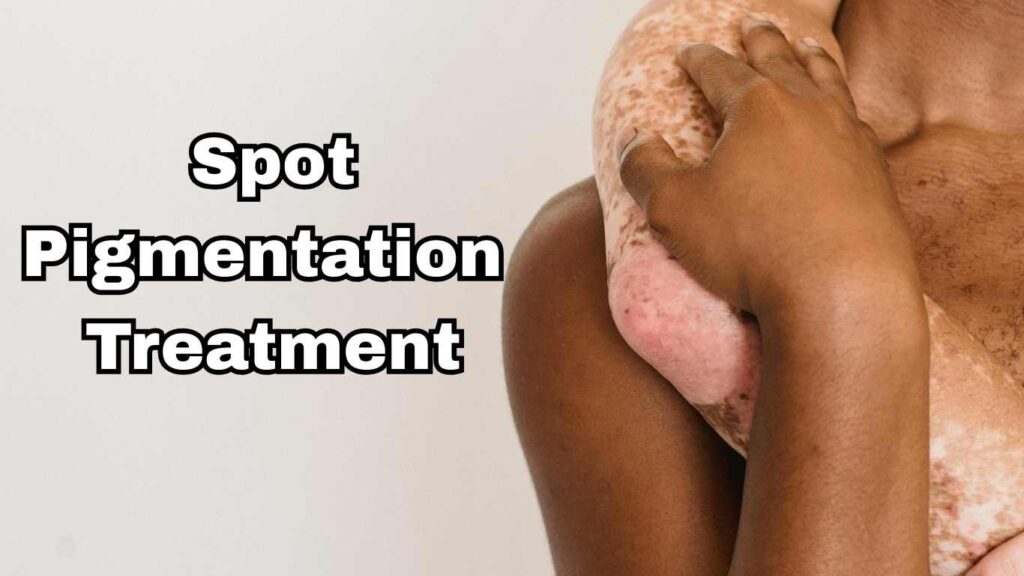
Spot pigmentation refers to uneven skin coloring caused by excess melanin production. These dark patches can appear due to sun exposure, acne scars, hormonal changes, or aging. While not harmful medically, pigmentation issues can affect self-confidence. Understanding the causes is the first step toward choosing an effective spot pigmentation treatment.
Pigmentation can appear in several forms, including freckles, sun spots, melasma, and post-inflammatory hyperpigmentation. Each type requires a tailored approach for optimal results. Dermatologists emphasize early intervention and preventive care, which can significantly reduce long-term pigmentation concerns. Combining professional treatment with proper skincare and sun protection ensures both corrective and lasting benefits.
Key Features and Benefits of Spot Pigmentation Treatments
Effective spot pigmentation treatment does more than just lighten dark spots. It improves skin texture, restores a more even tone, and prevents future pigmentation. Some notable benefits include:
- Reduces dark patches and uneven skin tone
- Boosts confidence and appearance
- Improves skin texture and radiance
- Supports long-term prevention with proper care
- Works alongside skincare routines for optimal results
Understanding these benefits helps individuals select a treatment plan that addresses both current pigmentation and overall skin health. Treatments work at a cellular level, regulating melanin production and promoting skin renewal.
Types of Spot Pigmentation Treatments
Topical Treatments
Topical creams and serums are often the first step in pigmentation care. Ingredients like vitamin C, niacinamide, retinoids, and mild hydroquinone lighten dark spots while improving skin texture. Regular use under professional guidance ensures effectiveness and reduces the risk of irritation.
Professional Procedures
Laser Therapy
Laser treatments target melanin deposits in the skin, breaking them down for gradual fading. Options like Q-switched lasers, fractional lasers, and IPL provide precise results with minimal downtime, making them ideal for stubborn spot pigmentation treatment.
Chemical Peels
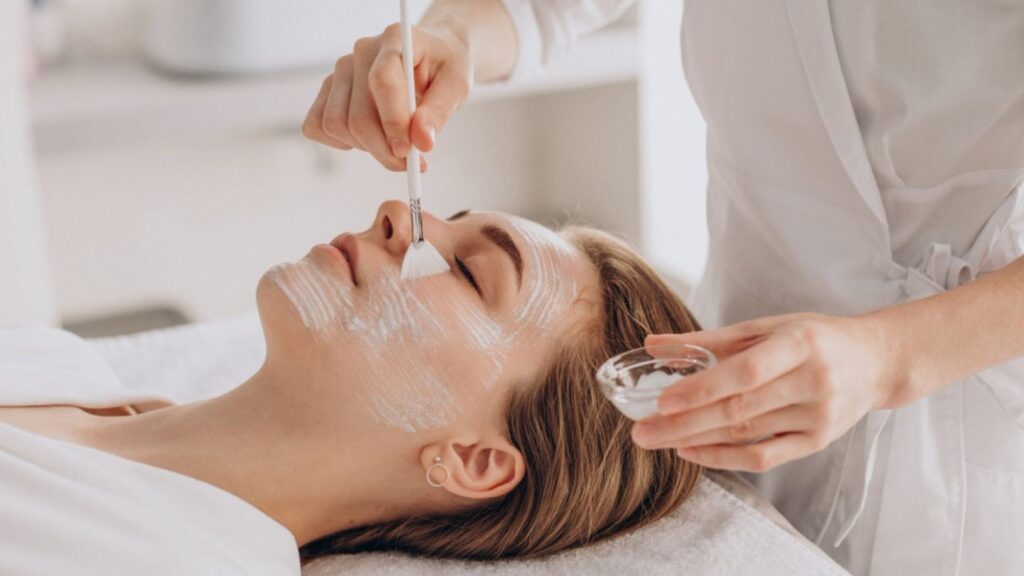
Chemical peels use acids such as glycolic or salicylic acid to remove the top skin layers. This stimulates regeneration, fades pigmentation, and enhances overall skin tone, making it a popular spot pigmentation treatment. Multiple sessions may be required depending on severity.
Microdermabrasion
Microdermabrasion exfoliates the skin surface gently using fine crystals or diamond tips. This process encourages cell turnover and diminishes mild pigmentation, making it an effective spot pigmentation treatment, often complementing other treatments for enhanced results.
Steps for Effective Pigmentation Management
Following a structured approach maximizes treatment benefits. Dermatologists recommend:
- Consulting a certified dermatologist to assess skin type and pigmentation
- Choosing a suitable spot pigmentation treatment based on expert advice
- Following a consistent skincare routine including cleansing, moisturizing, and SPF
- Monitoring progress with follow-up sessions or evaluations
- Adopting preventive measures such as sun avoidance and protective clothing
A step-by-step approach ensures a comprehensive solution that addresses both current pigmentation and long-term prevention.
Challenges and Considerations
While pigmentation treatments are effective, there are some factors to keep in mind. Results vary depending on skin type, pigmentation depth, and consistency of care. Some treatments may cause temporary redness or peeling. Overusing topical creams can lead to sensitivity, and sun exposure without protection may reverse results. Understanding these considerations ensures safe, realistic, and satisfactory outcomes.
Tips for Maintaining Clear and Even Skin
Maintaining treatment results is crucial. Experts recommend incorporating daily sun protection, gentle exfoliation, hydration, and antioxidant-rich serums into your routine. Avoiding harsh chemicals and aggressive scrubbing supports long-term skin health and helps prevent new pigmentation from forming.
Real-Life Use Cases and Recommendations
Many individuals achieve the best results by combining treatments. For example, chemical peels paired with topical creams often accelerate fading of stubborn dark spots. Laser therapy combined with a consistent home skincare routine ensures lasting improvements.
Experts generally suggest starting with less invasive options and moving to professional procedures if necessary. A personalized treatment plan based on skin type, pigmentation severity, and lifestyle leads to optimal results.
Conclusion
Addressing uneven skin tone and dark patches can significantly boost confidence and improve overall skin health. By exploring various spot pigmentation treatment options ranging from topical creams and serums to professional procedures like laser therapy and chemical peels individuals can achieve a clearer, more even complexion. Combining professional treatments with preventive measures, such as sun protection, antioxidant-rich skincare, and consistent routines, ensures long-lasting results. Understanding the benefits, challenges, and maintenance strategies empowers readers to make informed decisions and achieve radiant, healthy skin. Secondary keywords like hyperpigmentation, skincare routine, and skin texture remain integral to optimal outcomes.