Scent layering is the art of blending multiple fragrances to create a personalized aroma that’s entirely your own. Instead of wearing a single perfume, this technique allows you to mix complementary notes and build depth that evolves throughout the day. Whether you’re a fragrance enthusiast or just starting your perfume journey, understanding how to combine scents opens up endless possibilities for self-expression.
In this article, you’ll discover the fundamentals of fragrance combining, learn about perfume notes and how they interact, explore tips for creating custom blends, and find out which scent families work best together. By mastering these techniques, you’ll craft a signature scent that reflects your personality and leaves a lasting impression wherever you go.
What Is Scent Layering?
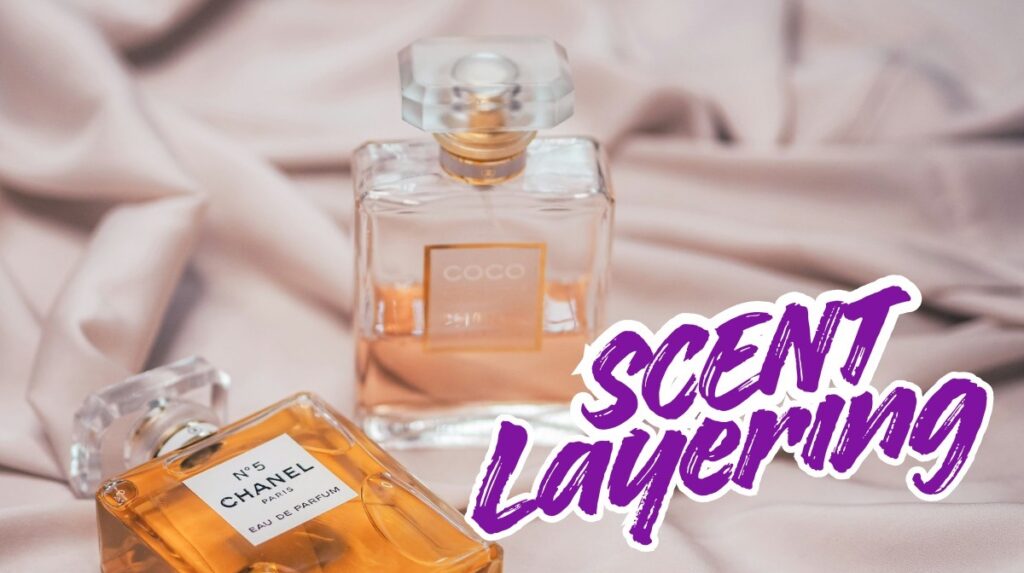
Scent layering involves applying two or more fragrances together to create a unique, customized aroma. Rather than relying on a single perfume, this technique lets you blend different perfume notes to achieve a scent profile that no one else wears. The practice transforms fragrance application from a simple routine into a creative expression of personal style.
The History Behind Fragrance Combining
The concept of mixing scents dates back centuries. Ancient Egyptians combined aromatic oils with resins and botanicals for religious ceremonies and personal adornment. In the Middle East, layering oud with rose became a cultural tradition passed down through generations. European perfumers later adopted these techniques during the Renaissance, experimenting with complex blends that inspired modern perfumery.
Today, scent layering has experienced a revival as people seek individuality in an age of mass-produced fragrances. Niche perfume houses now encourage customers to experiment with their collections, recognizing that personalization drives deeper connections with fragrance.
Why Scent Layering Matters
Creating a signature scent goes beyond smelling pleasant. It Becomes woven into who you are and shapes how people recall you.
Benefits of Creating Custom Blends
- Uniqueness: Your combination won’t smell exactly like anyone else’s fragrance choice.
- Versatility: Adjust your blend based on seasons, occasions, or mood.
- Longevity: Strategic layering can extend how long your fragrance lasts on skin.
- Cost effectiveness: Maximize your existing perfume collection instead of constantly buying new bottles.
- Creative expression: Develop a deeper appreciation for fragrance composition and perfume notes.
Emotional and Psychological Impact
Fragrance profoundly affects emotions and memory. A well-crafted custom blend can boost confidence, trigger positive memories, and even influence how others perceive you. Research shows that pleasant scents improve mood and reduce stress, making your signature scent a form of aromatherapy you carry throughout the day.
How to Layer Fragrances Effectively
Mastering scent layering requires understanding a few fundamental principles. Once you grasp these basics, experimentation becomes intuitive and enjoyable.
Understanding Fragrance Families
Perfumes fall into distinct scent families that interact differently when combined.
- Floral: Rose, jasmine, lily, and peony create romantic, feminine impressions.
- Oriental: Warm spices, vanilla, and amber offer richness and sensuality.
- Woody: Sandalwood, cedar, and vetiver provide grounding depth.
- Fresh: Citrus, aquatic, and green notes deliver clean, energizing vibes.
- Gourmand: Edible notes like chocolate, coffee, and caramel add sweetness.
The Role of Perfume Notes
Every fragrance contains three layers of perfume notes that unfold over time.
- Top notes: The initial impression lasting 15 to 30 minutes, typically citrus or light florals.
- Heart notes: The core character emerging after top notes fade, often floral or spicy.
- Base notes: The foundation that lingers for hours, usually woody or musky.
When practicing scent layering, consider how notes from different fragrances will interact at each stage.
Step by Step Layering Technique
Follow this process for best results.
- Start with scented body products like lotion or shower gel as your base layer.
- Apply the heavier, base-note-dominant fragrance first.
- Add the lighter fragrance on top, focusing on pulse points.
- Wait a few minutes between applications to let each layer settle.
- Evaluate the blend after 30 minutes when all notes have developed.
Common Challenges and Solutions
Even experienced fragrance enthusiasts encounter obstacles when creating custom blends.
Avoiding Overwhelming Combinations
Some pairings clash rather than complement. To prevent this, stick to fragrances within the same family or choose one dominant scent with a subtle accent. Less is more when starting out.
Dealing with Different Longevity
When one fragrance fades faster than another, your blend changes throughout the day. Combat this by reapplying the shorter-lasting scent or choosing perfumes with similar staying power.
Winning Scent Combinations to Try
These proven pairings offer excellent starting points for your scent layering journey.
- Vanilla and sandalwood for cozy warmth.
- Bergamot and rose for sophisticated freshness.
- Oud and saffron for exotic depth.
- Lavender and amber for relaxing elegance.
- Coconut and jasmine for tropical romance.
Experimentation remains the key to discovering your perfect signature scent. Trust your nose, document combinations that work, and enjoy the creative process of building a fragrance wardrobe uniquely yours.
Conclusion
Scent layering transforms ordinary fragrance application into a creative art form that reflects your unique personality. By understanding perfume notes, exploring different scent families, and experimenting with custom blends, you unlock endless possibilities for self-expression. Whether you prefer warm oriental combinations or fresh floral pairings, the journey toward discovering your signature scent should be enjoyable and personal. Start with simple combinations, trust your instincts, and gradually build confidence in creating fragrances that tell your story. Your perfect blend awaits, one layer at a time.