Repair shampoo for bleached hair is not just a beauty trend, it is a science-driven solution for chemically stressed strands. When hair undergoes bleaching, its internal bonds, moisture balance, and protective cuticle layers are compromised, leading to breakage, dullness, and long-term weakness.
This article explores how modern cosmetic chemistry and trichology research work together to restore strength at a molecular level. You will discover how scientifically engineered formulations target protein loss, lipid depletion, and scalp health simultaneously. We will also explain how advanced cleansing systems differ from traditional shampoos, why ingredient synergy matters, and what research-backed markers indicate real repair. By the end, you’ll understand how innovation, clinical testing, and hair biology shape smarter choices for maintaining resilient, healthy-looking bleached hair.
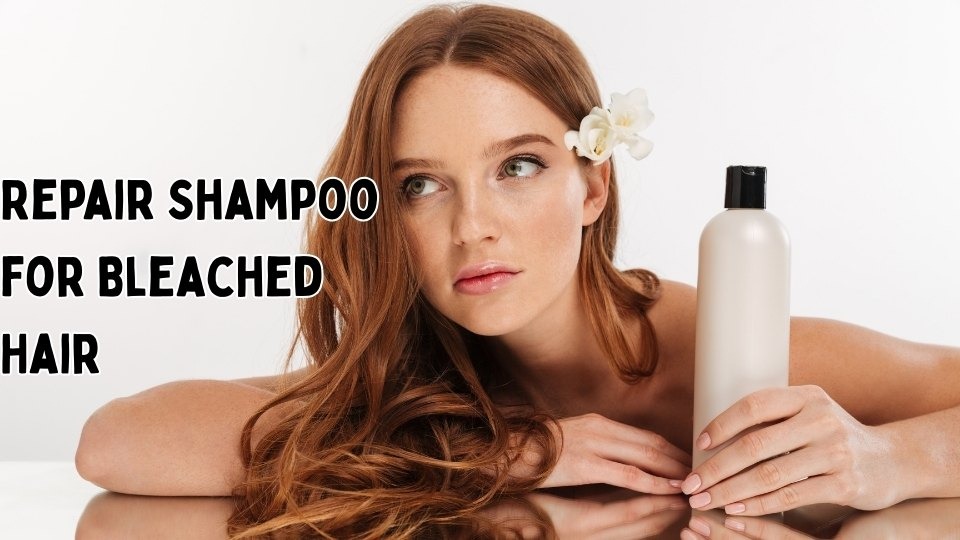
Understanding Repair Shampoo for Bleached Hair in Modern Hair Science
Repair shampoo for bleached hair is a specialized cleansing product developed to address structural damage caused by chemical lightening. Bleaching removes natural pigment by opening the cuticle and altering internal bonds, leaving hair fragile and porous. Over time, cosmetic chemistry has evolved to focus not only on surface smoothness but also internal recovery. Early formulations relied heavily on heavy conditioners, while modern versions integrate scalp science and fiber biology. Today, repair shampoo for bleached hair is designed to work at multiple levels, combining cleansing with targeted restoration. This shift reflects a deeper understanding of hair as a biological fiber influenced by chemistry, environment, and care routines.
The Scientific Background Behind Bleached Hair Damage
How Bleaching Alters Hair Structure
Bleaching disrupts the cortex where strength and elasticity originate. This process weakens internal connections and strips away protective lipids. As a result, strands become rough and prone to breakage. Repair shampoo for bleached hair emerged as a response to this structural imbalance, focusing on controlled cleansing that does not further erode fragile fibers.
Role of Cosmetic Chemistry in Hair Recovery
Cosmetic chemistry studies how ingredients interact with hair at a molecular level. Advanced formulations aim to support protein and lipid balance while maintaining cleansing efficiency. This scientific approach has replaced older methods that masked damage instead of addressing its root causes.
Importance of Repair Focused Cleansing After Bleaching
Why Regular Shampoos Fall Short
Standard shampoos often prioritize oil removal and foam production. For bleached strands, this can worsen dryness and rough texture. Repair shampoo for bleached hair is important because it cleans without stripping essential components needed for recovery.
Trichology Insights on Hair Resilience
Trichology research highlights that healthy regrowth and reduced breakage depend on consistent care. Supporting scalp barrier health ensures follicles function optimally, which indirectly improves the quality of new hair growth over time.
Key Benefits of Using Advanced Repair Formulations
Structural Strength and Elasticity Improvement
One major benefit is improved resistance to snapping and stretching. By supporting bond repair technology, these shampoos help reinforce weakened internal links, making hair more resilient during daily styling.
Enhanced Surface Smoothness and Shine
Hair cuticle restoration plays a role in improving light reflection and softness. When the cuticle lies flatter, hair appears smoother and more manageable without relying on heavy coatings.
Practical Examples of Results in Daily Hair Care
Case of Frequent Color Maintenance
Individuals who frequently tone or recolor their hair often experience cumulative damage. Using repair shampoo for bleached hair consistently can support color-treated hair repair, helping maintain vibrancy while reducing dullness.
Example of Heat Styling Recovery
For those who use heat tools regularly, maintaining protein and lipid balance becomes essential. A repair focused cleanser can reduce the compounding stress caused by heat exposure and chemical treatments.
Challenges and Limitations in Repair Shampoo Development
Ingredient Compatibility and Sensitivity
Not all hair responds the same way to active ingredients. Some formulations may cause buildup or scalp discomfort if not properly balanced. Ensuring scalp barrier health remains a challenge for formulators.
Managing Expectations of Repair
While repair shampoo for bleached hair supports strength and manageability, it cannot reverse all chemical damage permanently. Education around realistic outcomes is an important part of professional guidance.
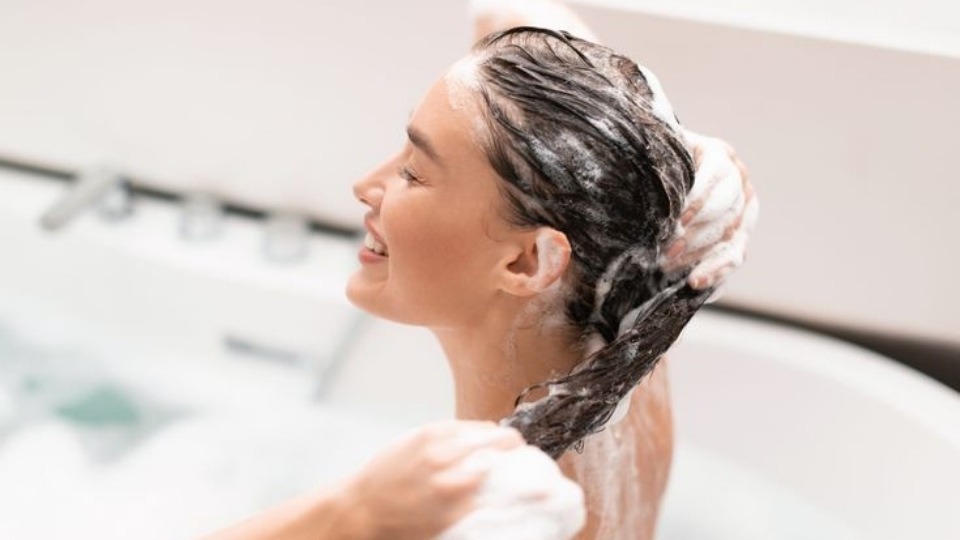
How to Integrate Repair Shampoo into a Routine
Frequency and Usage Guidelines
Using a targeted shampoo two to three times per week is often sufficient. Overuse can still lead to dryness, even with advanced formulations. Observing how hair responds helps refine personal routines.
Pairing with Complementary Treatments
Combining cleansing with conditioners or masks enhances bond repair technology benefits. This layered approach supports hair cuticle restoration and improves long term texture.
Evidence Based Perspective and Expert Insights
Clinical Testing and Consumer Studies
Modern brands rely on laboratory testing and user trials to validate claims. Improvements in elasticity and reduced breakage are measurable outcomes linked to protein and lipid balance.
Professional Recommendations
Trichologists often recommend repairing shampoo for bleached hair as part of a holistic plan. Supporting scalp barrier health and color-treated hair repair together ensures both current strands and future growth benefit.
Numbered Care Practices for Better Results
- Use lukewarm water to minimize cuticle swelling.
- Massage gently to protect weakened fibers.
- Rinse thoroughly to avoid residue buildup.
- Follow with targeted conditioning treatments.
- Limit mechanical stress while hair is wet.
By understanding the science, benefits, and limitations, users can make informed choices. Repair shampoo for bleached hair represents a blend of research and practical care, offering a smarter path to maintaining strength, shine, and long term hair health.
Conclusion:
In conclusion, repair shampoo for bleached hair represents a science driven approach to caring for chemically treated strands. By combining insights from cosmetic chemistry and trichology, these formulations address internal weakness, surface roughness, and scalp balance together. Understanding factors like bond repair technology, hair cuticle restoration, protein and lipid balance, scalp barrier health, and color-treated hair repair helps users choose products more effectively. With realistic expectations and consistent routines, repair shampoo for bleached hair can support stronger texture, improved manageability, and healthier looking hair over time while protecting future growth.