I never imagined a simple at-home bleaching session would leave me desperately searching for ways to repair severely chemically damaged hair. What started as a fun experiment to achieve platinum blonde locks quickly turned into a nightmare of straw-like texture, constant breakage, and hair that snapped at the slightest touch.
If you’ve experienced the heartbreak of over-processed hair, you’re not alone. Millions of us have pushed our strands too far with relaxers, perms, color treatments, or bleach. The good news? Recovery is possible with the right approach and patience.
In this article, I’ll share my personal restoration journey, including the protein treatments, deep conditioning routines, and bond-repair products that actually worked. You’ll learn how to rebuild hair elasticity, prevent further damage, and restore shine to dry brittle strands. Let’s get your hair healthy again.
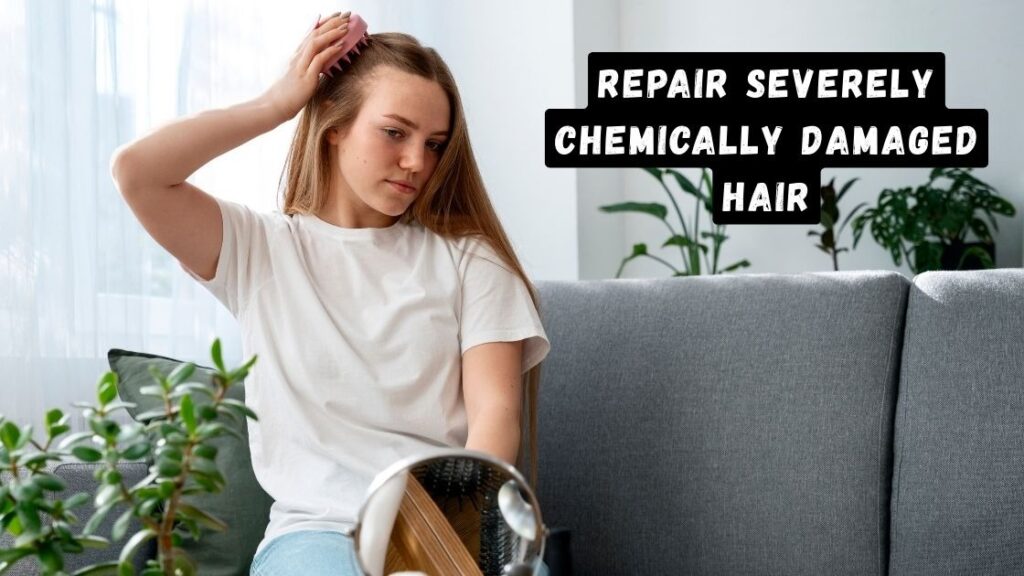
Understanding Why Hair Gets Damaged and How to Repair Severely Chemically Damaged Hair
Before you can repair severely chemically damaged hair, it’s essential to understand what’s actually happening beneath the surface. Chemical treatments like bleach, relaxers, and permanent color work by breaking down the hair’s natural protein bonds and lifting the protective cuticle layer. When done excessively or incorrectly, this process strips away moisture, weakens the cortex, and leaves strands vulnerable to breakage.
Over-processing occurs when hair undergoes too many chemical treatments in a short period or when products are left on longer than recommended. The result is porous, brittle hair that struggles to retain moisture and nutrients. Recognizing this damage early gives you the best chance at successful hair restoration.
Signs Your Hair Is Severely Damaged
Not sure if your hair qualifies as severely damaged? Here are the telltale signs I noticed during my own experience:
- Hair stretches excessively when wet and doesn’t bounce back
- Strands break off with minimal tension or brushing
- Texture feels gummy, mushy, or straw-like depending on moisture levels
- Extreme tangles that seem impossible to detangle gently
- Color fades rapidly and hair refuses to hold new color treatments
If you’re nodding along to most of these, your hair likely needs intensive intervention to recover from chemical damage.
My Step by Step Process to Repair Severely Chemically Damaged Hair
When I first started my recovery journey, I felt overwhelmed by conflicting advice. After months of trial and error, I developed a consistent routine that finally showed results. Here’s the exact process I followed to repair severely chemically damaged hair at home.
Step One: Stop All Chemical Treatments Immediately
This sounds obvious, but it’s the most critical step. I had to accept that my platinum dreams needed to wait. Continuing chemical services on compromised hair only causes further deterioration. Give your strands a complete break for at least six months while you focus on rebuilding strength and elasticity.
Step Two: Incorporate Protein Treatments Weekly
Damaged hair loses its protein structure, which is why protein treatments became my best friend. I used hydrolyzed keratin masks once weekly to help reconstruct the hair shaft and improve tensile strength. However, balance is crucial because too much protein can make hair stiff and prone to snapping.
Step Three: Deep Condition With Intensive Moisture Masks
Alternating protein with moisture is the golden rule for treating over-processed hair. I deep conditioned with rich emollient masks containing ingredients like shea butter, argan oil, and hyaluronic acid twice weekly. This helped restore hydration and improve the overall texture of my dry brittle strands.
Step Four: Invest in Bond Repair Products
Bond building treatments were genuinely transformative in my journey to repair severely chemically damaged hair. Products containing ingredients like bis-aminopropyl diglycol dimaleate work at a molecular level to reconnect broken disulfide bonds within the hair cortex. I noticed improved strength and reduced breakage within weeks of consistent use.

Essential Tips for Faster Hair Recovery
Beyond my core routine, several additional practices accelerated my progress significantly.
Adjust Your Washing Habits
Washing damaged hair daily strips away natural oils needed for protection. I switched to washing just twice weekly with a sulfate-free shampoo designed for color treated hair. This simple change helped my strands retain more moisture between washes.
Minimize Heat Styling
Heat tools compound existing damage by further dehydrating the hair shaft. I embraced air drying and heatless styling methods during my recovery period. When heat was absolutely necessary, I always applied a thermal protectant spray first.
Trim Regularly to Remove Split Ends
While I wanted to retain length, regular trims every six to eight weeks prevented splits from traveling up the hair shaft. Removing damaged ends actually helped my hair appear healthier and grow stronger overall.
Products That Helped Me Repair Severely Chemically Damaged Hair
Choosing the right products made a noticeable difference in my results. Look for formulas specifically designed for damaged hair restoration that contain:
- Hydrolyzed proteins like keratin, silk, or wheat protein
- Natural oils such as coconut, olive, or avocado oil
- Ceramides that help seal the cuticle layer
- Panthenol for added moisture retention
- Bond repair technology for internal strengthening
Avoid products containing harsh sulfates, drying alcohols, or silicones that create buildup without providing true nourishment. Reading ingredient labels became a habit that served my hair well throughout this process.
Conclusion
My journey to repair severely chemically damaged hair taught me patience and consistency matter most. Recovery doesn’t happen overnight, but with the right combination of protein treatments, deep conditioning, and bond repair products, healthy hair is achievable.
Remember to stop all chemical services, embrace gentle washing habits, and minimize heat styling during your restoration period. Regular trims and quality haircare products designed for over-processed hair will accelerate your progress significantly.
If you’re struggling with dry brittle strands from bleaching or color treatments, don’t lose hope. You absolutely can repair severely chemically damaged hair with dedication and the proper routine. Your healthiest hair days are still ahead.