Understanding the true reasons for damaged hair goes far beyond obvious culprits like heat styling and chemical treatments that most people blame for their brittle broken strands. Hidden internal factors silently destroy hair health from within while you focus exclusively on external care routines.
This comprehensive guide features expert insights from board certified trichologists who diagnose hair damage causes using advanced microscopic analysis and clinical evaluation methods. You will discover how nutritional deficiencies, hormonal imbalances, and protein bond breakdown create invisible damage that surface treatments cannot repair.
We explore both internal and external damage triggers including oxidative stress, environmental factors, and lifestyle habits affecting strand integrity at molecular levels. From understanding cuticle deterioration to recognizing follicle dysfunction, these specialist validated insights reveal reasons for damaged hair that most generic advice completely overlooks. Learning these hidden causes transforms your approach to achieving genuinely healthy resilient hair.
The Science Behind Hair Structure and Damage Mechanisms
Hair strands consist of complex protein structures held together by various chemical bonds that determine strength and elasticity. Understanding reasons for damaged hair requires examining how these bonds break down under different stressors creating visible deterioration. Board certified trichologists analyze hair at molecular levels to identify specific damage patterns and their underlying causes.
The hair shaft contains three layers including the outer cuticle, middle cortex, and inner medulla each serving protective functions. The cuticle acts as armor shielding internal structures from environmental assault and moisture loss. When this protective layer becomes compromised, the cortex becomes vulnerable to progressive damage that worsens over time.
Protein bonds including disulfide, hydrogen, and salt bonds maintain strand integrity and natural texture patterns. Different damage sources attack specific bond types creating distinct damage presentations that trained specialists recognize during microscopic analysis examinations.
External Damage Triggers Affecting Hair Health
Environmental and mechanical factors represent common reasons for damaged hair that accumulate through daily exposure and styling practices. These external stressors attack hair from outside creating surface damage that eventually penetrates deeper strand layers. Identifying and minimizing these triggers prevents unnecessary deterioration.
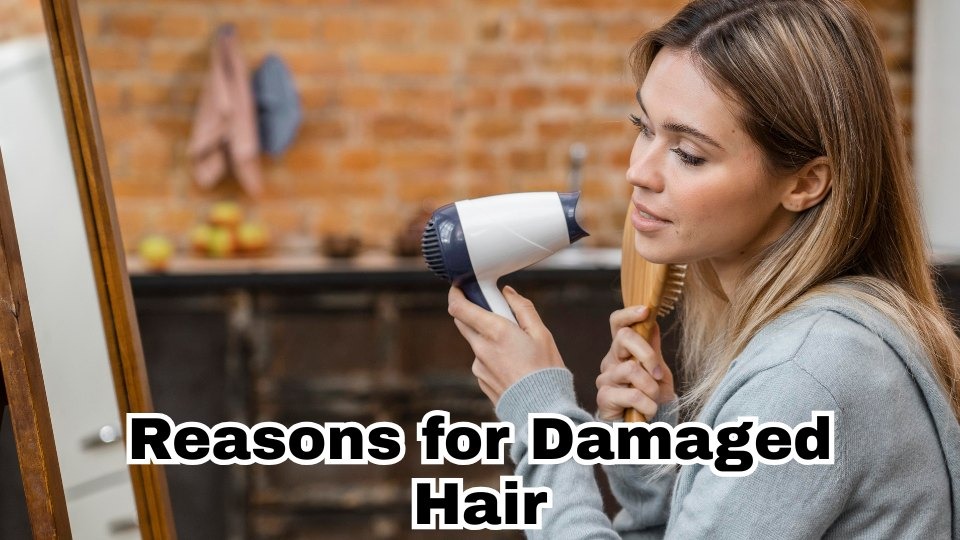
Heat styling tools cause thermal damage by denaturing protein bonds at temperatures exceeding safe thresholds. Flat irons, curling wands, and blow dryers create cumulative harm with each use especially without proper thermal protection.
Related Article: Hair Loss Due to Heat: How Hot Tools and Sun Damage Your Strands
External damage sources include these common triggers:
- Ultraviolet radiation from sun exposure breaks down protein structures and fades natural pigment
- Chlorine and saltwater strip protective oils while depositing minerals that weaken strands
- Environmental pollution deposits heavy metals and toxins that accumulate on hair surfaces
- Mechanical friction from brushing, towel drying, and tight hairstyles causes physical breakage
- Hard water minerals create buildup that prevents moisture absorption and increases brittleness
Trichologists recommend protective measures against each trigger for comprehensive damage prevention strategies.
Chemical Processing Damage and Bond Destruction
Chemical treatments including coloring, bleaching, perming, and relaxing alter hair structure through powerful reactions. These processes intentionally break and reform bonds creating desired aesthetic changes but simultaneously weaken overall strand integrity. Understanding reasons for damaged hair from chemical sources guides safer treatment decisions.
Bleaching removes melanin through oxidation processes that simultaneously attack protein bonds aggressively. Multiple lightening sessions cause progressive damage that becomes increasingly difficult to reverse.
Color Treatment Impact on Hair Structure
Permanent hair color penetrates the cuticle layer depositing pigment molecules within the cortex structure. This process requires alkaline chemicals that lift cuticle scales creating rougher texture and increased porosity. Dermatologists observe cumulative color damage in patients who dye hair frequently without adequate recovery periods.
Reasons for damaged hair often trace directly to overlapping chemical applications onto previously treated sections. Professional colorists carefully avoid this overlap while home applications frequently cause this preventable damage pattern.
Relaxer and Perm Chemical Reactions
Chemical straightening and curling permanently restructure disulfide bonds through reduction and oxidation reactions. These aggressive treatments require precise timing and application to prevent severe over processing damage. Incorrect application causes irreversible harm including breakage, scalp burns, and permanent texture changes.
Internal Factors Creating Damage From Within
Nutritional deficiencies and hormonal imbalances represent overlooked reasons for damaged hair that external treatments cannot address. Hair follicles require specific nutrients and balanced hormones to produce strong healthy strands consistently. Internal dysfunction manifests as weak brittle hair regardless of topical product quality.
Iron deficiency affects oxygen delivery to follicles compromising their ability to produce robust strands. Biotin, zinc, and vitamin D deficiencies similarly impact hair protein synthesis creating structural weaknesses from inception.
Hormonal imbalances including thyroid dysfunction and elevated cortisol disrupt normal growth cycles. These conditions require medical diagnosis and treatment to resolve underlying causes before hair health improves.
Oxidative Stress and Free Radical Damage
Oxidative stress occurs when free radicals overwhelm the body’s antioxidant defenses causing cellular damage throughout systems including hair follicles. This biochemical process represents significant reasons for damaged hair that accelerates aging and deterioration progressively. Understanding oxidative mechanisms reveals why antioxidant support matters for hair health.
Related Article: Stress and Telogen Effluvium: Why Your Hair Might Be Falling Out
Free radicals attack protein structures within hair shafts causing brittleness and elasticity loss over time. Environmental pollution, UV exposure, and metabolic processes generate these damaging molecules continuously. Trichologists recommend both topical and dietary antioxidants for comprehensive oxidative protection.
Smoking significantly increases oxidative stress while depleting nutrients essential for healthy hair production. This lifestyle factor creates multiple damage pathways simultaneously accelerating visible deterioration.
Diagnosing Your Specific Damage Causes
Identifying personal reasons for damaged hair requires systematic evaluation of habits, history, and current strand condition. Board certified trichologists use microscopic analysis examining cuticle condition, cortex integrity, and breakage patterns. This professional assessment reveals specific damage sources requiring targeted intervention.
Trichoscopy allows specialists to examine scalp health and follicle function identifying underlying issues. Blood testing reveals nutritional deficiencies and hormonal imbalances contributing to hair weakness internally.
Document your styling practices, chemical treatment history, and lifestyle factors before consultations. This information helps specialists identify patterns and connections creating your unique damage profile accurately.
Reasons for damaged hair vary significantly between individuals requiring personalized approaches rather than generic solutions.
Conclusion
Identifying the true reasons for damaged hair empowers you to address root causes rather than masking symptoms with temporary treatments. From external triggers like heat styling and chemical processing to internal factors including nutritional deficiencies and hormonal imbalances, damage sources vary significantly between individuals. Board certified trichologists emphasize that oxidative stress and protein bond breakdown require targeted intervention based on professional microscopic analysis and diagnosis. Understanding your specific reasons for damaged hair through comprehensive evaluation transforms your approach from reactive to preventive care. By addressing both external damage triggers and internal health factors, you achieve genuinely resilient healthy strands that withstand daily stressors confidently.