Giving yourself permission to rest feels almost rebellious in a world that glorifies constant productivity and endless hustle. We scroll through social media watching others grind around the clock, and suddenly taking a nap or enjoying a quiet afternoon feels like failure. But here’s the truth nobody talks about: rest isn’t laziness it’s essential self-care that actually fuels your success.
This article explores why embracing downtime matters for your mental health, physical wellbeing, and long-term productivity. You’ll discover how chronic busyness leads to burnout, why guilt-free relaxation strengthens your mind and body, and practical ways to prioritize recovery without feeling like you’re falling behind. Whether you struggle with work-life balance or simply need validation that slowing down is okay, these honest truths will transform how you view rest as a powerful form of self-compassion.
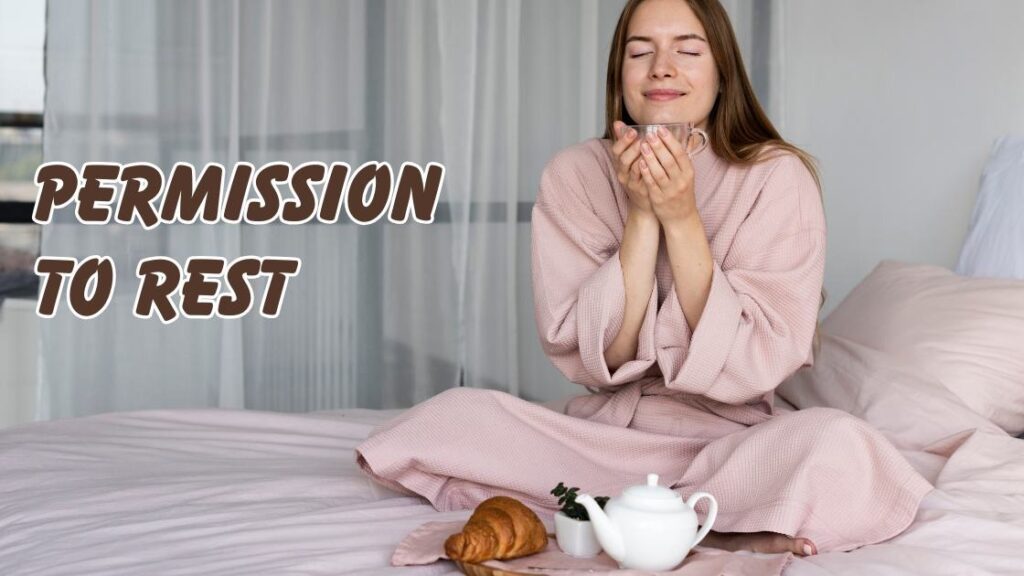
Understanding Why You Need Permission to Rest in Today’s Busy World
Rest goes far beyond simply sleeping or sitting on the couch doing nothing. True rest encompasses any activity that restores your energy, calms your nervous system, and allows your mind to recover from daily demands. This includes physical relaxation, mental breaks, emotional decompression, and even engaging in hobbies that bring you joy without pressure.
Many people confuse rest with being unproductive, but science tells a different story. When you give yourself permission to rest, your brain enters a restorative state that consolidates memories, processes emotions, and sparks creativity. Understanding this distinction helps remove the stigma around taking breaks and positions rest as a strategic investment in yourself.
Why Society Makes Resting Feel Wrong
Modern culture has created an unhealthy relationship with productivity. We measure our worth through accomplishments, busy schedules, and constant output. Social media amplifies this pressure by showcasing highlight reels of people who seemingly never stop working. This toxic productivity mindset convinces us that every moment spent resting is a moment wasted.
The hustle culture phenomenon has deep roots in industrial era thinking, where human value became tied to economic output. Breaking free from this conditioning requires conscious effort and a fundamental shift in how we define success and personal fulfillment.
The Science Behind Why Rest Matters And Give Permission to Rest
Physical Health Benefits
Your body desperately needs downtime to function optimally. During rest, your muscles repair themselves, your immune system strengthens, and your hormones rebalance. Chronic stress without adequate recovery leads to inflammation, weakened immunity, and increased risk of serious health conditions including heart disease and diabetes.
When you embrace permission to rest as part of your routine, you support your body’s natural healing processes. Sleep quality improves, energy levels stabilize, and you become more resilient against illness. These physical benefits alone justify prioritizing relaxation in your daily life.
Mental and Emotional Advantages
Your brain cannot operate at full capacity without regular breaks. Continuous mental effort depletes cognitive resources, leading to decreased focus, poor decision making, and reduced creativity. Rest allows your prefrontal cortex to recover while your subconscious mind continues processing information in the background.
Emotionally, rest provides space for processing experiences and regulating feelings. Without adequate downtime, stress accumulates and emotional resilience diminishes. People who regularly practice guilt free relaxation report lower anxiety levels, improved mood stability, and greater overall life satisfaction.
Signs You Desperately Need to Slow Down
Recognizing burnout symptoms early prevents serious consequences. Your body and mind send clear signals when rest becomes urgent rather than optional.
- You feel exhausted even after sleeping eight hours
- Small tasks feel overwhelmingly difficult to complete
- You experience frequent headaches or muscle tension
- Your patience runs thin and irritability increases
- You struggle to remember simple things or concentrate
These warning signs indicate your nervous system is overloaded. Ignoring them leads to complete burnout, which requires significantly longer recovery time than regular preventive rest would demand.

Practical Ways to Give Yourself Permission to Rest Every Day
Creating Boundaries Around Your Time
Protecting your rest requires setting firm boundaries with work, technology, and even well meaning friends and family. This means designating specific hours as non negotiable downtime and communicating these limits clearly to others. Permission to rest becomes easier when you treat relaxation appointments with the same importance as business meetings.
Learning to say no without excessive explanation preserves your energy for what truly matters. Remember that every yes to something draining is a no to your wellbeing and recovery needs.
Types of Rest Your Body Craves
Not all rest serves the same purpose. Understanding different rest categories helps you address specific deficits in your life.
- Physical rest includes sleeping, napping, and gentle stretching
- Mental rest involves stepping away from problem solving and decision making
- Emotional rest means taking breaks from heavy conversations and draining relationships
- Social rest allows introverts to recharge through solitude
- Sensory rest reduces stimulation from screens, noise, and bright lights
Identifying which type you need most helps you rest more effectively and feel genuinely restored afterward.
Overcoming Guilt When You Choose Rest
The guilt surrounding rest often stems from internalized beliefs about laziness and productivity. Challenging these thoughts requires recognizing that permission to rest is not permission to be irresponsible. Rest actually makes you more effective, creative, and present in all areas of life.
Reframing rest as productive self care shifts your perspective entirely. You are not avoiding work when you rest. You are preparing yourself to work better, think clearer, and show up more fully for the people and projects that matter most.
Conclusion
Giving yourself permission to rest is not a luxury but a necessity for sustainable success and genuine wellbeing. Throughout this article, we explored how rest restores your physical health, sharpens mental clarity, and strengthens emotional resilience. We also discovered practical strategies for setting boundaries and overcoming the guilt that often accompanies slowing down.
Remember that productive self care includes knowing when to pause. Your worth is not measured by constant busyness. By embracing guilt free relaxation and prioritizing recovery, you invest in a healthier, happier, and more balanced life. Start today by granting yourself permission to rest without apology.