Finding the perfect hydrating cream for sensitive skin can feel like searching for a needle in a haystack. Your skin reacts to everything fragrances, harsh chemicals, even weather changes leaving you frustrated and uncomfortable. The wrong moisturizer triggers redness, irritation, or breakouts, while the right one transforms your complexion entirely.
This comprehensive guide explores everything you need to know about choosing gentle moisturizers that actually work. We’ll cover essential ingredients like hyaluronic acid and ceramides, discuss what to avoid in your skincare routine, and recommend products suited for reactive skin types. Whether you’re dealing with dryness, occasional flare-ups, or chronic sensitivity, you’ll discover how to build a soothing skincare routine that keeps your face calm, balanced, and beautifully hydrated. Let’s dive into the science behind effective moisture without the irritation.
Understanding Sensitive Skin and Its Hydration Needs
Sensitive skin is more than just a minor inconvenience. It’s a skin type that reacts strongly to environmental factors, ingredients, and even stress. People with reactive complexions often experience tightness, burning sensations, and visible redness after using standard skincare products. Understanding your skin’s unique requirements is the first step toward finding relief.
A quality hydrating cream for sensitive skin works differently than regular moisturizers. These specialized formulas focus on restoring the skin barrier while delivering moisture without triggering inflammation. Your skin’s protective barrier acts like a shield, and when it’s compromised, irritants penetrate more easily. The right cream strengthens this defense while providing lasting hydration.
Why Traditional Moisturizers Often Fail Sensitive Skin
Many conventional moisturizers contain ingredients that seem harmless but actually cause problems for delicate complexions. Fragrances, alcohol, and certain preservatives rank among the top offenders. Even natural ingredients like essential oils can trigger reactions in people with heightened sensitivity.
The key difference with a hydrating cream for sensitive skin lies in its simplified, purposeful formulation. These products prioritize calming ingredients and skip unnecessary additives that serve no benefit for your skin health.
Essential Ingredients to Look For
Barrier Repairing Components
When shopping for your ideal moisturizer, certain ingredients signal a formula designed for sensitivity. Ceramides top the list as they naturally occur in healthy skin and help rebuild the protective barrier. Niacinamide reduces inflammation while improving overall skin texture without causing irritation.
Hyaluronic acid remains a gold standard for hydration because it attracts water molecules to the skin without clogging pores. This ingredient suits virtually all skin types, including the most reactive ones. Squalane offers another excellent option, mimicking your skin’s natural oils for seamless absorption.
Soothing and Anti-Inflammatory Agents
Beyond hydration, the best creams include ingredients that actively calm irritation. Look for these proven soothers:
- Aloe vera extract provides immediate cooling relief and reduces visible redness
- Colloidal oatmeal creates a protective film while soothing itchy or irritated areas
- Centella asiatica promotes healing and strengthens compromised skin barriers
- Allantoin softens skin while encouraging cell regeneration
- Green tea extract delivers antioxidant protection alongside anti-inflammatory benefits
What to Avoid in Your Moisturizer
Knowing what to exclude matters just as much as knowing what to include. A truly effective hydrating cream for sensitive skin eliminates common irritants entirely. Synthetic fragrances cause more reactions than almost any other ingredient category. Even products labeled “unscented” may contain masking fragrances that trigger sensitivity.
Alcohol denat and similar drying alcohols strip away natural oils, worsening barrier dysfunction. Harsh exfoliating acids, while beneficial for other skin types, often prove too aggressive for sensitive complexions. Sulfates and strong surfactants also deserve a permanent spot on your avoid list.
Reading Labels Like a Professional
Learning to decode product labels helps you make smarter purchasing decisions. Dermatologist tested, hypoallergenic, and fragrance free represent meaningful designations when choosing moisturizers. However, these terms aren’t regulated, so always verify by checking the full ingredient list yourself.
How to Apply Your Hydrating Cream Effectively
Application technique influences how well your moisturizer performs. Following these steps maximizes benefits while minimizing potential irritation:
- Cleanse with a gentle, pH balanced cleanser and pat skin almost dry
- Apply any serums or treatments while skin remains slightly damp
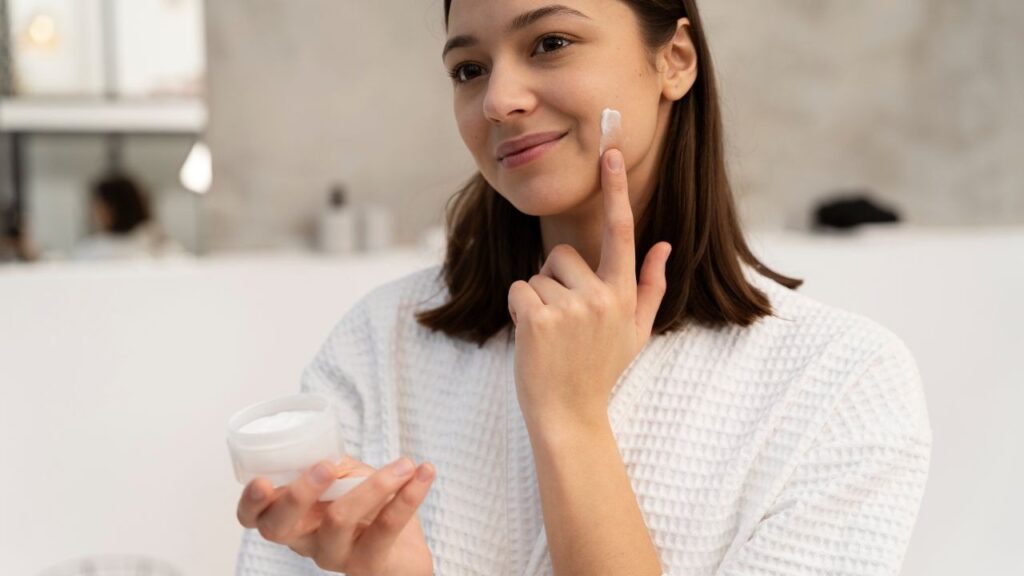
- Take a pea sized amount of your hydrating cream for sensitive skin and warm it between fingernails
- Press the product gently into skin using upward motions rather than rubbing
- Allow full absorption before applying sunscreen or makeup
Building a Complete Sensitive Skin Routine
Your moisturizer works best within a thoughtfully designed routine. Pair your hydrating cream for sensitive skin with similarly gentle products throughout your regimen. A mild cleanser, hydrating toner, and mineral sunscreen create a solid foundation without overwhelming your complexion.
Introduce new products one at a time, waiting at least two weeks between additions. This approach helps you identify any problematic ingredients before they become part of your daily routine. Patch testing on your inner arm provides an extra layer of protection against full face reactions.
Choosing the Right Product for Your Specific Concerns
Not all sensitive skin behaves identically. Some people experience dryness as their primary concern, while others battle oiliness alongside sensitivity. Combination skin types need lightweight formulas that hydrate without adding excess shine to the T zone.
For extremely dry and sensitive skin, richer creams containing shea butter or plant oils work wonderfully. Those with oily yet sensitive complexions benefit from gel cream hybrids that deliver moisture without heaviness. Understanding your unique needs guides you toward the perfect hydrating cream for sensitive skin that addresses all your concerns simultaneously.
Conclusion
Choosing the right hydrating cream for sensitive skin transforms your daily skincare experience from stressful to soothing. By prioritizing barrier repairing ingredients like ceramides and hyaluronic acid while avoiding common irritants such as fragrances and harsh alcohols, you give your complexion exactly what it needs to thrive.
Remember that patience plays a crucial role in building an effective gentle skincare routine. Introduce products slowly, listen to your skin’s responses, and never underestimate the power of simplicity. With the right hydrating cream for sensitive skin, achieving a calm, balanced, and beautifully moisturized complexion becomes entirely possible. Your skin deserves this thoughtful approach to hydration and care.