Noticing hair loss after bleaching can be alarming, especially when you expected a stunning new look instead of thinning strands. Whether you attempted an at-home lightening session or visited a salon, chemical damage to your hair is more common than many realize. The harsh reality is that bleach penetrates the hair shaft, breaking down protein bonds and weakening follicles in ways that sometimes lead to significant shedding.
In this comprehensive guide, a dermatologist breaks down exactly why this damage occurs and what you can do about it. You’ll learn about the science behind bleach-induced breakage, signs of overprocessed hair, effective hair repair treatments, and proven scalp care strategies. We’ll also cover when professional intervention becomes necessary and how to restore hair health safely. By the end, you’ll have a clear roadmap for recovery and prevention moving forward.
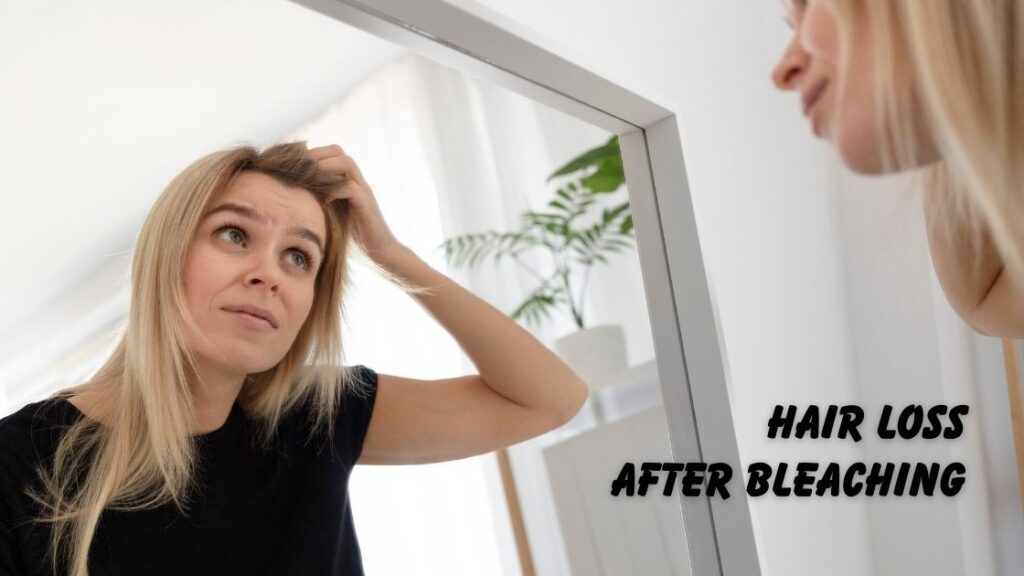
Understanding Why Hair Loss After Bleaching Happens: The Science Behind It
When you apply bleach to your hair, a powerful chemical reaction begins immediately. Bleaching agents contain hydrogen peroxide and ammonia, which work together to penetrate the hair cuticle and dissolve melanin pigments. This process gives you that lighter shade you desire, but it simultaneously strips away essential proteins and moisture.
Your hair structure contains three distinct layers known as the cuticle, cortex, and medulla. Bleach damages all three layers by breaking disulfide bonds that provide structural integrity. When these bonds weaken, your hair becomes porous, brittle, and prone to snapping. Hair loss after bleaching often results from this severe protein depletion rather than actual follicle damage.
Why Some People Experience More Damage Than Others
Several factors determine how your hair responds to chemical lightening treatments. Your natural hair texture, previous chemical treatments, and overall hair health play significant roles. Fine or previously colored hair tends to suffer more extensive damage because the cuticle layer is already compromised.
Additionally, the strength of bleach used, processing time, and application technique influence outcomes dramatically. Overlapping bleach on previously treated sections causes cumulative damage that eventually leads to breakage and thinning.
Common Signs of Hair Loss After Bleaching
Recognizing the warning signs early can help you take corrective action before experiencing severe hair loss after bleaching. Your hair communicates distress through various symptoms that deserve attention.
Physical Symptoms to Watch For
Damaged hair exhibits distinct characteristics that differ from healthy strands. You might notice excessive dryness that no conditioner seems to fix. The texture becomes rough, almost straw like, and loses its natural elasticity. When you stretch a strand, it snaps immediately instead of bouncing back.
Color changes also indicate damage severity. Overprocessed hair often turns orange, yellow, or develops an uneven patchy appearance. These discolorations suggest the cuticle has been severely compromised.
When Shedding Becomes Concerning
Normal daily shedding ranges from 50 to 100 strands. However, hair loss after bleaching often exceeds this amount significantly. If you notice clumps in your brush, excessive strands on your pillow, or visible thinning at the crown, your hair needs immediate intervention.
Dermatologist Recommended Treatment Options
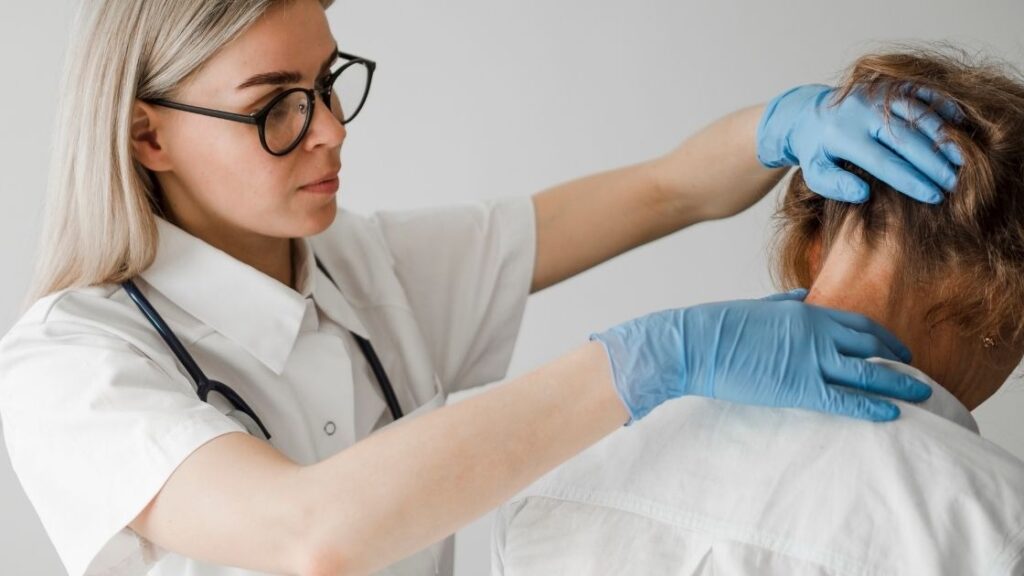
Professional dermatologists approach bleach damaged hair with targeted treatments that address both immediate concerns and long term restoration. Understanding these options helps you make informed decisions about your recovery journey.
Protein Treatments and Bond Repair
Rebuilding broken bonds remains the foundation of treating hair loss after bleaching. Bond building treatments like Olaplex contain bis aminopropyl diglycol dimaleate, which reconnects severed disulfide bonds within the hair structure.
Professional keratin treatments also restore protein levels, improving strength and reducing breakage. Your dermatologist might recommend:
- Weekly deep conditioning masks with hydrolyzed proteins
- Leave in bond repair serums applied to damp hair
- Professional salon treatments every four to six weeks
- Amino acid supplements to support hair growth internally
- Gentle cleansing with sulfate free shampoos
Scalp Health and Follicle Stimulation
Healthy hair growth begins at the scalp level. Dermatologists often prescribe topical treatments containing minoxidil to stimulate dormant follicles and encourage new growth. Scalp massages increase blood circulation, delivering vital nutrients to hair roots.
Platelet rich plasma therapy represents another effective option for severe cases of hair loss after bleaching. This treatment involves injecting concentrated growth factors from your own blood directly into the scalp.
Prevention Strategies for Future Bleaching Sessions
Avoiding repeat damage requires careful planning and realistic expectations about what bleaching can achieve safely.
Pre Treatment Preparation
Strengthening your hair before bleaching significantly reduces potential damage. Start using protein treatments two weeks prior to your appointment. Avoid heat styling and other chemical processes during this preparation period.
Consulting a professional colorist ensures proper assessment of your hair condition. They can determine whether your strands can withstand lightening or need additional time to recover.
Safe Bleaching Practices
Minimizing hair loss after bleaching in future sessions involves following protective protocols. Use lower volume developers when possible, even if achieving your desired shade takes multiple sessions. Never leave bleach on longer than recommended, regardless of how light you want to go.
Consider alternatives like highlights or balayage techniques that avoid full head saturation. These methods create dimension while limiting overall chemical exposure. Professional application also ensures even distribution and proper timing, reducing the risk of overprocessing specific sections.
Conclusion
Experiencing hair loss after bleaching can feel devastating, but understanding the underlying causes empowers you to take effective action. From protein depletion and bond damage to improper application techniques, multiple factors contribute to post bleaching shedding. The good news is that most damage remains reversible with proper care and patience.
Prioritizing scalp health, investing in bond repair treatments, and consulting a dermatologist for severe cases will set you on the path to recovery. Remember that healthy hair restoration takes time, often several months of consistent care. Moving forward, always approach chemical lightening cautiously, prepare your strands adequately, and choose professional colorists who prioritize hair integrity over speed. Your locks deserve that protection.