Establishing a hair care routine for hair fall is essential for maintaining strong, healthy, and resilient hair. Excessive hair shedding, thinning, and breakage can affect confidence and overall hair appearance, but adopting the right practices can make a remarkable difference.
This article explores expert-backed methods to strengthen hair, improve scalp health, and boost hair growth naturally. You will discover tips on proper hair washing, conditioning techniques, and protective strategies to prevent breakage. Additionally, we will cover the role of nutrition for hair and daily habits that support long-term hair vitality. By following these scientifically proven steps, you can restore your hair’s natural strength, enhance shine, and minimize hair fall effectively.
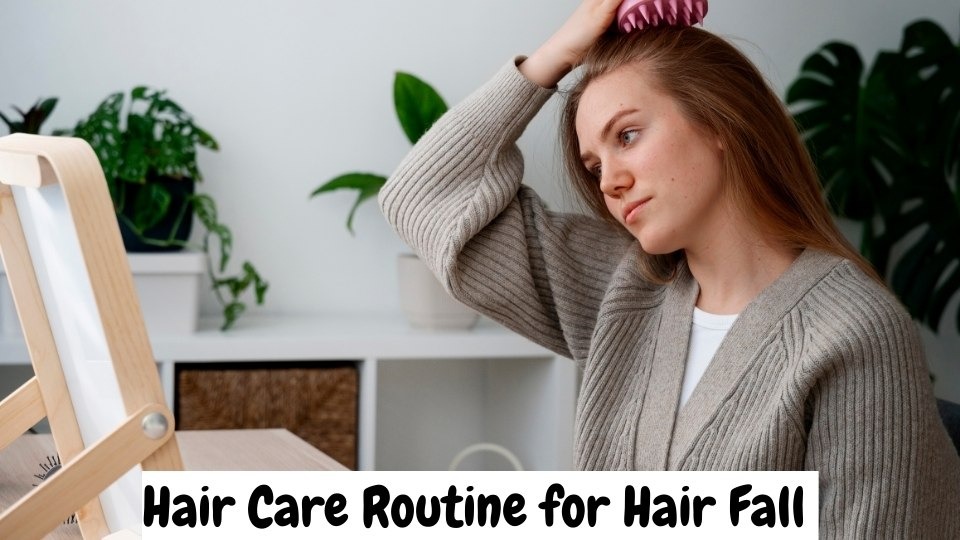
Understanding Hair Care Routine for Hair Fall
A hair care routine for hair fall is a set of consistent practices aimed at reducing hair shedding, strengthening strands, and promoting scalp health. Hair loss can result from various factors including genetics, stress, poor nutrition, and environmental exposure. Historically, hair care has been an essential part of personal grooming across cultures. Ancient remedies often included natural oils, herbal treatments, and scalp massages to stimulate growth and prevent breakage. Modern science now provides deeper insights into hair biology, showing how nutrition, hydration, and proper care routines directly impact hair health. Following a structured routine helps maintain strong, resilient hair and reduces thinning over time.
Importance of Hair Care Routine for Hair Fall
Maintaining a regular hair care routine is critical for preventing hair fall and improving overall hair condition. Hair types vary, and understanding your hair’s unique needs ensures the selection of suitable products and methods. A proper routine protects hair from environmental stressors, minimizes damage caused by styling tools, and enhances natural shine. Scalp health is equally important because a clean and nourished scalp provides the foundation for healthy hair growth. Consistency in care ensures long-term benefits and can prevent conditions like dandruff, dryness, and weak hair shafts.
Effective Washing Practices
Proper hair washing is essential to remove dirt, oil, and product buildup without stripping natural oils. Use lukewarm water and choose shampoos that match your hair type. Massaging the scalp gently while washing stimulates blood flow, supporting follicle activity. Washing hair too frequently can cause dryness, while infrequent washing can lead to buildup and scalp issues. Experts recommend washing hair two to three times a week depending on lifestyle and scalp condition.
Conditioning and Moisturizing
Conditioning improves hair texture, reduces frizz, and restores moisture. Choose products with natural oils or proteins to enhance elasticity. Leave-in conditioners protect hair from environmental damage and daily stressors. Deep-conditioning masks applied weekly provide intensive hydration and repair, especially for chemically treated or heat-styled hair. These practices are essential to maintain softness and strength.
Nutrition for Hair Care Routine for Hair Fall
Proper nutrition plays a pivotal role in reducing hair fall. Hair follicles require proteins, vitamins, and minerals to function effectively. A deficiency in essential nutrients can cause thinning, slow growth, or brittle hair. Consuming foods rich in biotin, omega-3 fatty acids, iron, and vitamin E supports hair structure and follicle health. Adequate water intake also promotes scalp hydration and improves overall hair texture. Combining proper nutrition with a structured care routine enhances hair strength and reduces shedding over time.
Key Nutrients for Hair
Hair relies heavily on protein since its main component is keratin.Iron aids in oxygen supply to follicles, while zinc contributes to repair and growth cycles. Omega-3 fatty acids nourish hair from within, and vitamin C supports collagen production, strengthening the hair shaft. Incorporating a balanced diet rich in these nutrients helps maintain healthy, resilient hair.
Supplements to Support Hair
In certain cases, supplements can address nutrient gaps that contribute to hair fall. Biotin, vitamin D, and marine collagen are commonly recommended to enhance density and resilience. Supplements should complement a nutritious diet rather than replace it, providing an added boost to hair health.
Protective Hair Practices
Protecting hair from damage is essential for maintaining thickness and strength. Environmental factors, styling techniques, and chemical treatments can weaken hair over time. Minimizing heat styling and using protective products helps prevent breakage. Covering hair during extreme weather protects against dryness and color fading. Gentle detangling reduces strain and prevents split ends.
Styling and Heat Management
Frequent use of straighteners, curling irons, or blow dryers can lead to hair weakening. Applying heat protectants and keeping temperatures low reduces moisture loss. Air-drying whenever possible allows hair to retain natural strength and shine, minimizing damage from heat exposure.
Chemical Treatments and Care
Coloring, bleaching, and perming can compromise hair structure. Using professional guidance and restorative products after chemical treatments ensures minimal damage. Deep-conditioning treatments post-treatment restore hydration and elasticity, helping maintain healthy strands.

Benefits of Following a Hair Care Routine for hair fall
A structured hair care routine for hair fall offers multiple advantages beyond aesthetics. It strengthens hair, reduces breakage, and enhances shine. Consistent routines prevent thinning, dryness, and scalp issues, making hair more manageable. Healthy hair contributes to confidence and overall well-being. Following scientifically proven practices ensures long-term hair vitality and resilience.
Practical Steps to Reduce Hair Fall
- Massage scalp twice a week to stimulate circulation and hair growth
- Use sulfate-free shampoos to reduce chemical stress on hair
- Apply deep-conditioning masks weekly to restore moisture
- Maintain a balanced diet rich in nuts, leafy greens, and fish
- Avoid tight hairstyles to prevent traction-related hair loss
Challenges in Hair Care Routine for Hair Fall
Maintaining a hair care routine for hair fall can be challenging due to stress, busy schedules, and environmental factors. Pollutants, hard water, and heat styling can damage hair despite regular care. Hormonal changes, medical conditions, and aging may also contribute to hair fall. Understanding these challenges allows for realistic and effective routines. Protective styles, proper nutrition, and professional guidance help overcome these obstacles and sustain hair health.
Addressing Common Hair Issues
Split ends, frizz, and thinning are common problems. Regular trimming, gentle handling, and minimizing chemical exposure can prevent worsening. Monitoring scalp condition and adapting products according to seasonal changes ensures hair remains strong, hydrated, and vibrant.
Conclusion:
Following a consistent hair care routine for hair fall is essential for maintaining strong, healthy, and resilient hair. Incorporating proper washing, conditioning, protective styling, and a nutrient-rich diet helps reduce shedding and improve scalp health. Paying attention to hydration, avoiding excessive heat, and using restorative treatments ensures hair remains thick and vibrant. By adopting these practices, individuals can prevent breakage, support hair growth, and enjoy long-lasting shine. A mindful approach to daily hair care not only enhances appearance but also promotes confidence and overall well-being.