Identifying the right foods that reduce dark circles involves understanding far more than basic nutritional recommendations or generic dietary suggestions found across mainstream wellness platforms. Specific micronutrients interact with periorbital skin biology through precise biochemical pathways that modulate melanogenesis, strengthen capillary integrity, and neutralize oxidative stress at the cellular level where persistent under eye discoloration originates. The connection between dietary intake and periorbital skin health operates through sophisticated nutridermatological mechanisms that clinical research is only beginning to fully decode.
This article examines foods that reduce dark circles by exploring how antioxidant bioavailability determines whether consumed nutrients actually reach periorbital tissue in therapeutically effective concentrations and how specific vitamins and minerals influence collagen biosynthesis, iron metabolism regulation, and inflammatory cytokine suppression beneath the orbital cavity.
Whether you are a nutritional dermatologist, a clinical dietitian, or someone frustrated by persistent under eye darkening despite adequate sleep, understanding foods that reduce dark circles at this micronutrient pathway level will revolutionize your dietary approach entirely. By the conclusion, foods that reduce dark circles will transition from vague dietary advice into a precise nutridermatological strategy grounded in measurable biochemical evidence and clinical nutritional science.
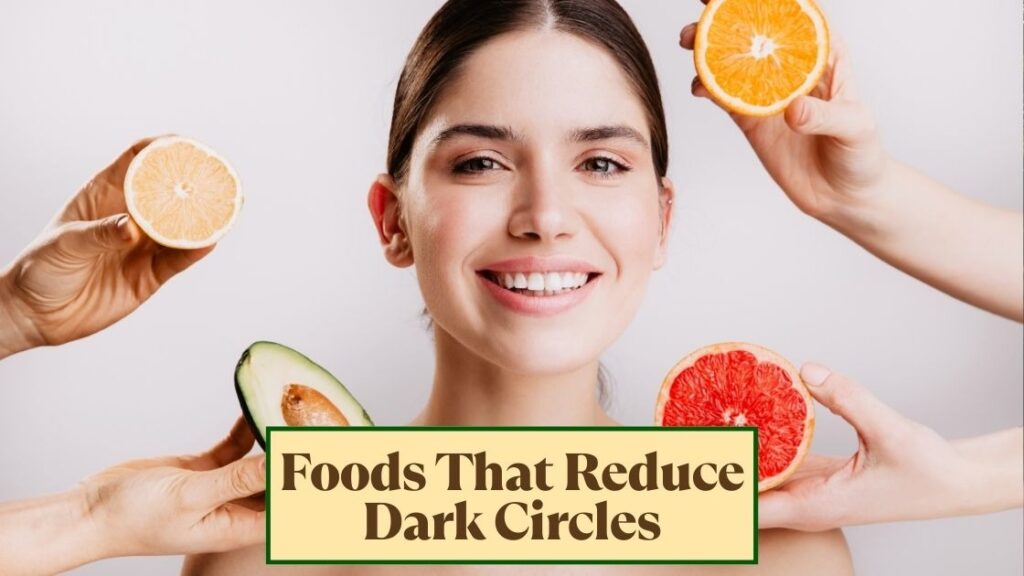
How Specific Nutrients Interact With Periorbital Skin Biology
Understanding foods that reduce dark circles requires examining the precise biochemical mechanisms through which dietary micronutrients influence the cellular processes responsible for periorbital hyperpigmentation, vascular fragility, and inflammatory mediated discoloration beneath the orbital cavity. The periorbital region represents the thinnest and most metabolically vulnerable cutaneous zone on the human body, making it extraordinarily responsive to nutritional status changes that affect melanin production, collagen integrity, and capillary wall strength.
When your dietary intake lacks specific vitamins, minerals, and phytonutrient compounds, the periorbital tissue becomes increasingly susceptible to oxidative damage, melanogenesis overactivation, and structural protein degradation that collectively manifest as progressive under eye darkening. Conversely, strategic nutritional optimization through targeted foods that reduce dark circles can reverse these pathological processes by supplying the precise molecular building blocks required for periorbital tissue repair and protection.
The clinical study of dietary interventions for periorbital discoloration has evolved considerably within the emerging field of nutridermatology. Historical approaches to under eye darkening focused exclusively on topical treatments and cosmetic concealment, while contemporary nutritional dermatology research now demonstrates that systemic micronutrient delivery through dietary intake produces measurable improvements in periorbital skin quality that topical applications alone cannot replicate.
While micronutrient intake plays a vital role in reducing pigmentation and improving skin health from within, combining it with natural topical remedies can enhance results. This guide on How to Get Rid of Black Shadows Under Eyes Naturally explains simple at-home methods that support under-eye skin repair.
Ancient Nutritional Wisdom and Periorbital Health
Traditional healing systems across multiple civilizations recognized the connection between dietary patterns and under eye appearance centuries before modern nutridermatology established formal clinical frameworks. Ayurvedic practitioners prescribed iron rich foods and hepatoprotective herbs specifically to address periorbital discoloration associated with blood deficiency and liver stagnation conditions.
Ancient Egyptian medical papyri documented the use of nutrient dense foods including organ meats and green vegetables for improving facial skin quality and reducing under eye shadows. These ancestral dietary approaches align remarkably with contemporary research on foods that reduce dark circles through iron metabolism optimization and antioxidant delivery to vulnerable periorbital tissue.
Vitamin C and Collagen Biosynthesis in Periorbital Tissue
Among the most clinically significant foods that reduce dark circles are those containing high concentrations of bioavailable ascorbic acid. Vitamin C serves as an essential cofactor for prolyl hydroxylase and lysyl hydroxylase enzymes that catalyze the hydroxylation reactions necessary for stable collagen triple helix formation within the dermal extracellular matrix.
When periorbital collagen density declines due to ascorbic acid insufficiency, the underlying vasculature becomes increasingly visible through the thinning cutaneous barrier, creating a shadowed bluish appearance beneath the eyes. Citrus fruits, bell peppers, kiwi, and cruciferous vegetables provide ascorbic acid in forms with high gastrointestinal absorption rates that support sustained periorbital collagen biosynthesis.
Vitamin K and Capillary Integrity Restoration
Vitamin K represents another critical micronutrient found in foods that reduce dark circles through its unique role in regulating blood coagulation pathways and strengthening capillary wall integrity within the periorbital vascular network. Vitamin K dependent carboxylation of matrix Gla protein prevents abnormal calcium deposition in periorbital capillary walls that contributes to vascular fragility and erythrocyte extravasation.
Dark leafy greens including spinach, kale, Swiss chard, and broccoli provide phylloquinone in concentrations that clinical studies have associated with measurable improvements in capillary resistance and reduced hemosiderin staining beneath the orbital cavity. The combination of vitamin K with vitamin C creates a synergistic nutridermatological effect that simultaneously strengthens vascular integrity while supporting the collagen framework surrounding periorbital blood vessels.
Iron Metabolism Regulation and Hemoglobin Optimization
Iron deficiency anemia represents one of the most clinically documented nutritional causes of periorbital hyperpigmentation, making iron rich foods that reduce dark circles essential for individuals presenting with under eye discoloration accompanied by fatigue, pallor, and reduced exercise tolerance. Insufficient hemoglobin concentrations create periorbital tissue hypoxia that stimulates compensatory vasodilation and increases the visibility of deoxygenated blood pooling beneath the thin orbital skin.
Heme iron sources including lean red meat, organ meats, shellfish, and dark poultry meat provide iron in its most bioavailable form with absorption rates significantly exceeding those of plant derived non heme iron sources. Pairing non heme iron foods with ascorbic acid rich ingredients enhances iron absorption through gastric reduction of ferric iron to its more absorbable ferrous form.
Omega 3 Fatty Acids and Anti Inflammatory Periorbital Protection
Foods that reduce dark circles through anti inflammatory mechanisms include those rich in omega 3 polyunsaturated fatty acids, particularly eicosapentaenoic acid and docosahexaenoic acid found in cold water fatty fish, walnuts, flaxseeds, and chia seeds. These essential fatty acids serve as precursors for specialized pro resolving mediators including resolvins and protectins that actively terminate inflammatory cascades in periorbital tissue.
Chronic low grade inflammation in the periorbital dermis stimulates melanocyte activity, increases vascular permeability, and degrades collagen through matrix metalloproteinase activation. Regular consumption of omega 3 rich foods that reduce dark circles counteracts these inflammatory processes by suppressing nuclear factor kappa B signaling and reducing pro inflammatory cytokine production at the periorbital tissue level.
Clinical Evidence Supporting Nutridermatological Interventions
Peer reviewed research investigating foods that reduce dark circles has documented specific measurable outcomes connecting dietary micronutrient interventions with quantifiable improvements in periorbital skin quality across controlled clinical studies.
- Increased periorbital dermal collagen density measured through high frequency ultrasonography in participants supplementing dietary ascorbic acid intake to 500 milligrams daily through whole food sources over 12 week observation periods
- Reduced periorbital hemosiderin deposition scores assessed through dermoscopic evaluation in iron deficient participants who achieved normal ferritin concentrations through dietary heme iron optimization protocols
- Decreased periorbital melanin index values measured using reflectance spectrophotometry in participants consuming diets enriched with polyphenolic antioxidants from berries, green tea, and dark chocolate sources
- Improved periorbital capillary resistance scores documented in participants increasing dietary vitamin K intake through dark leafy green consumption exceeding 120 micrograms daily
- Reduced periorbital inflammatory cytokine marker concentrations measured in participants maintaining omega 3 fatty acid intake ratios exceeding recommended daily thresholds through cold water fatty fish consumption

Bioavailability Challenges and Absorption Optimization Strategies
Despite the compelling evidence supporting foods whichreduce dark circles, significant bioavailability challenges determine whether consumed micronutrients reach periorbital tissue in therapeutically effective concentrations. Nutrient absorption rates vary dramatically based on food preparation methods, gastrointestinal health status, concurrent dietary interactions, and individual genetic polymorphisms affecting nutrient transporter protein expression.
Phytic acid in whole grains and legumes reduces iron and zinc absorption by forming insoluble chelation complexes in the gastrointestinal lumen. Oxalic acid in spinach and rhubarb similarly inhibits calcium absorption despite these foods containing substantial mineral concentrations. Understanding these antinutrient interactions is essential for maximizing the dermatological benefit derived from foods reduce dark circles.
Strategic Food Combining for Maximum Periorbital Benefit
Optimizing micronutrient bioavailability requires strategic food combining practices that enhance absorption while minimizing antinutrient interference. Consuming vitamin C rich foods alongside iron containing meals increases non heme iron absorption by up to 300 percent through gastric acidification and ferric iron reduction mechanisms.
Dietary fat inclusion with meals containing fat soluble vitamins including vitamin K enhances micelle formation in the small intestine, improving absorption efficiency significantly. Fermented foods containing probiotics support gastrointestinal mucosal integrity and mineral transporter expression, creating an optimized absorptive environment that maximizes the periorbital tissue delivery of consumed micronutrients.
Why Foods That Reduce Dark Circles Represent a Nutridermatological Priority
The clinical evidence supporting foods which reduce dark circles through micronutrient pathway optimization establishes dietary intervention as a foundational component of comprehensive periorbital hyperpigmentation management. Unlike topical treatments that address superficial symptoms, nutritional strategies target the underlying biochemical deficiencies and inflammatory processes that drive persistent under eye discoloration from within.
Understanding foods reduce dark circles at the level of antioxidant bioavailability, collagen biosynthesis cofactor delivery, and anti-inflammatory mediator production empowers individuals to approach periorbital darkening as a systemic nutritional challenge rather than a purely cosmetic concern. This nutridermatological perspective integrates dietary science with dermatological pathology to create evidence based nutritional protocols capable of producing lasting visible improvements that superficial interventions consistently fail to achieve independently.
Conclusion
The nutridermatological evidence supporting foods that reduce dark circles confirms that strategic dietary intervention operates through precise biochemical pathways capable of reversing periorbital hyperpigmentation at its molecular origin. From ascorbic acid driven collagen biosynthesis strengthening periorbital dermal architecture to vitamin K dependent capillary integrity restoration preventing hemosiderin staining, each micronutrient pathway contributes measurable improvements in under eye skin quality.
Iron metabolism optimization resolves tissue hypoxia driven vascular prominence while omega 3 fatty acid consumption suppresses inflammatory cytokine cascades that stimulate melanogenesis and degrade extracellular matrix proteins beneath the orbital cavity. These nutritional mechanisms address the root biochemical causes that topical cosmetic interventions consistently fail to reach.
Understanding foods that reduce dark circles through this advanced nutridermatological framework transforms dietary choices from vague wellness suggestions into targeted therapeutic strategies. When bioavailability optimization, strategic food combining, and antinutrient awareness guide nutritional planning, foods that reduce dark circles become a clinically validated cornerstone of comprehensive periorbital hyperpigmentation management grounded in measurable nutritional science.