For years, my curly hair swimming sessions left me with dry, brittle strands that snapped at the slightest touch. Every trip to the pool meant days of damage control deep conditioning treatments, protein masks, and tears over my once-bouncy curls. I tried everything the internet suggested, but nothing truly worked until I developed a routine based on actual trial and error.
In this article, I’m sharing the exact pre-swim and post-swim steps that transformed my curl health. You’ll learn how to protect natural curls from chlorine damage, maintain moisture balance, and prevent that dreaded pool hair aftermath. Whether you’re a competitive swimmer or just enjoy occasional laps, these tested methods for swimming with textured hair will help you keep your curls defined, strong, and breakage-free all summer long.
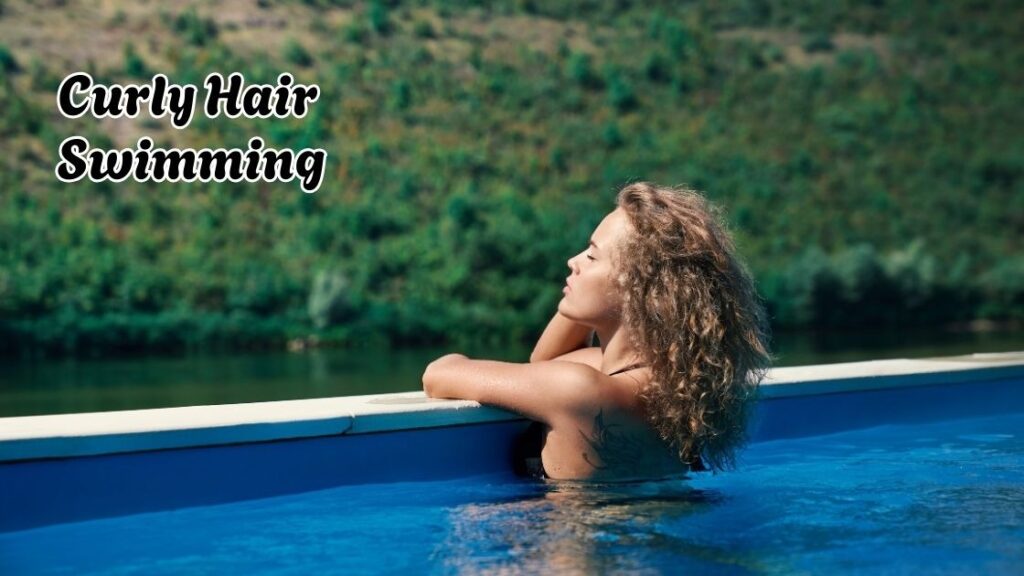
Understanding Why Curly Hair Swimming Damages
Curly and coily hair types have a unique structure that makes them more vulnerable to environmental stressors. The natural oils produced by your scalp struggle to travel down the twists and bends of each strand, leaving curls inherently drier than straight hair. When you add chlorine or saltwater into the mix, the damage potential increases dramatically.
Chlorine is a chemical disinfectant that strips away the protective lipid layer coating your hair shaft. For those with textured hair, this means moisture escapes rapidly, leading to brittleness and breakage. Saltwater works differently but causes similar problems by drawing moisture out through osmosis. Understanding this science helped me realize why generic advice never worked for my curly hair swimming needs.
The Porosity Factor
Your hair’s porosity determines how quickly it absorbs and loses moisture. High porosity curls soak up pool chemicals faster, while low porosity hair may resist protective treatments. Knowing your porosity level helps you customize your swim routine effectively. I discovered my high porosity curls needed extra sealing steps before entering the water.
My Pre-Swim Protection Routine
The most important lesson I learned is that protection starts before you even touch the water. Preparing your curls properly creates a barrier against chlorine and salt damage.
Saturate With Fresh Water First
Dry hair acts like a sponge, absorbing whatever liquid it encounters first. By thoroughly wetting my curls with fresh water before swimming, I reduce how much pool water they can absorb. This simple step made a noticeable difference in my curly hair swimming results within the first week.
Apply a Protective Barrier
After wetting my hair, I apply a generous amount of leave-in conditioner mixed with natural oil. Coconut oil works wonderfully because it penetrates the hair shaft and blocks chemical absorption. Some swimmers prefer using specific pre-swim products designed for chlorine protection, which also work effectively for textured hair types.
Consider a Swim Cap
While swim caps cannot keep your hair completely dry, they significantly reduce water exposure. For my curly hair swimming sessions, I use a silicone cap over my oiled and conditioned curls. This combination provides maximum protection during longer pool workouts.
During Your Swim Session
What you do while swimming matters more than most people realize. Small adjustments during your pool time can minimize damage accumulation.
Keep your swimming sessions reasonable in length when possible. Extended chlorine exposure compounds the drying effects on natural curls. I limit my intensive swim workouts to 45 minutes and take breaks during recreational swimming to rinse my hair with fresh water.
If you swim outdoors, UV rays add another layer of damage potential. The combination of sun exposure and wet, chemically treated hair accelerates protein loss and color fading. Wearing your swim cap consistently helps address both concerns simultaneously.
My Post-Swim Recovery Process
The after-swim routine is where I see the biggest difference in maintaining healthy curls. Immediate action prevents chemicals from continuing their damage.
Rinse Immediately
Never let pool water dry on your hair. I rinse thoroughly with fresh water the moment I exit the pool. Some facilities have outdoor showers specifically for this purpose. For curly hair swimming at beaches or lakes, I bring a large bottle of water for immediate rinsing.
Clarifying Wash Technique
Regular shampoos cannot remove chlorine buildup effectively. I use a clarifying or swimmer’s shampoo once weekly and a gentle co-wash after other sessions. Here are my essential post-swim wash steps:
- Rinse hair completely with lukewarm water for two minutes minimum
- Apply clarifying shampoo focusing on the scalp and roots
- Work product through mid-lengths and ends gently
- Rinse thoroughly until water runs completely clear
- Follow immediately with a moisturizing deep conditioner
Deep Conditioning Is Non-Negotiable
After every curly hair swimming session, deep conditioning restores lost moisture and repairs minor damage. I leave my treatment on for at least fifteen minutes under a plastic cap. The heat from your head helps the product penetrate more effectively.
Essential Products for Curly Hair Swimming
Building the right product collection transformed my swim experience. These categories address specific needs for protecting textured hair:
- Pre-swim leave-in conditioners with natural oils for barrier creation
- Silicone-based serums that coat strands without weighing curls down
- Chelating shampoos formulated to remove mineral and chlorine buildup
- Protein treatments for monthly strengthening and repair sessions
- Lightweight moisturizing creams for daily curl definition maintenance
Investing in quality products designed for swimmers with natural hair makes curly hair swimming sustainable long-term rather than a constant battle against damage.
Conclusion
Protecting your curls while enjoying the pool doesn’t have to feel overwhelming. My curly hair swimming routine took time to perfect, but the results speak for themselves no more breakage, dryness, or damaged texture. By saturating your hair before swimming, applying protective barriers, and committing to proper post-swim care, you can maintain healthy, defined curls throughout swim season.
Remember that consistency matters most. Every curly hair swimming session requires attention to pre-swim protection and after-swim recovery. With the right products and techniques for chlorine protection and moisture maintenance, you can finally enjoy the water without sacrificing your beautiful natural curls.