Waking up to crusty skin face can feel alarming, especially when you don’t know what’s causing those rough, flaky patches. Whether it appears around your nose, forehead, or cheeks, this common skin concern affects millions of people and often signals an underlying condition that needs attention.
This comprehensive guide walks you through everything you need to understand about this frustrating skin issue. You’ll discover the medical causes behind dry scaly patches, learn to recognize symptoms of conditions like seborrheic dermatitis and eczema, and explore proven treatment options recommended by dermatologists. We’ll cover both professional medical interventions and effective home remedies for flaky skin that actually deliver results.
By the end of this article, you’ll know exactly when to seek medical help and which skincare routine changes can restore your complexion to smooth, healthy skin once again.
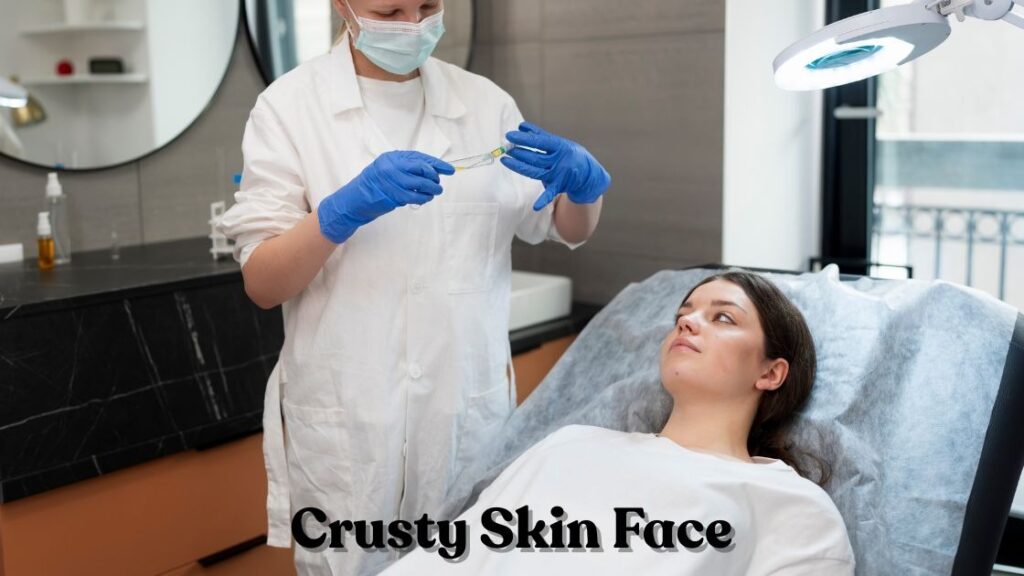
What Is Crusty Skin Face and Why Does It Happen
Crusty skin face refers to rough, flaky, or scaly patches that develop on facial skin due to various underlying causes. This condition occurs when the skin’s natural moisture barrier becomes compromised, leading to excessive dryness, dead skin cell buildup, or inflammatory responses. The face is particularly vulnerable because facial skin is thinner and more exposed to environmental factors than other body parts.
Understanding why this happens requires looking at both internal and external triggers. Your skin constantly sheds dead cells and regenerates new ones, but when this process gets disrupted, crusty patches form. The causes range from simple dehydration to complex medical conditions requiring professional treatment.
Common Medical Causes Behind Facial Crusting
Several skin conditions can lead to crusty skin face, and identifying the root cause is essential for effective treatment.
Seborrheic Dermatitis stands as one of the most frequent culprits. This inflammatory condition causes yellowish, greasy scales typically around the eyebrows, nose creases, and hairline. It results from an overgrowth of yeast naturally present on skin combined with excess oil production.
Eczema or Atopic Dermatitis creates dry, itchy, and inflamed patches that can become crusty when scratched or left untreated. This chronic condition often flares during seasonal changes or stress periods.
Psoriasis produces thick, silvery scales that feel rough and may crack or bleed. Facial psoriasis commonly affects areas around the eyebrows, forehead, and the skin between nose and upper lip.
Contact Dermatitis develops when skin reacts to irritants or allergens in skincare products, cosmetics, or environmental substances. The resulting inflammation often leads to flaky facial skin and discomfort.
Environmental and Lifestyle Factors
Beyond medical conditions, everyday factors significantly contribute to developing rough textured skin on the face.
- Cold winter air combined with indoor heating strips moisture from skin rapidly
- Hot showers and harsh cleansers damage the protective skin barrier
- Sun exposure without protection causes photoaging and peeling skin
- Dehydration from inadequate water intake reflects directly on facial skin
- Poor diet lacking essential fatty acids compromises skin health
How to Diagnose Crusty Skin Face Properly
Self Assessment at Home
Before visiting a dermatologist, observe your symptoms carefully. Note where the crusty patches appear, whether they itch or hurt, and if any triggers seem to worsen them. Take photos to track changes over time, as this information helps healthcare providers make accurate diagnoses.
Pay attention to accompanying symptoms like redness, swelling, oozing, or bleeding. These details indicate whether you’re dealing with simple dry skin issues or something requiring medical intervention for your facial skin condition.
When Professional Diagnosis Becomes Necessary
Seek medical evaluation if your crusty skin face persists beyond two weeks of home treatment, spreads rapidly, or causes significant discomfort. Dermatologists use visual examination, skin scrapings, patch testing, or biopsies to determine exact causes and rule out serious conditions.
Effective Treatment Options for Crusty Skin Face
Medical Treatments and Prescriptions
Dermatologists recommend various treatments based on your specific diagnosis. Topical corticosteroids reduce inflammation and itching associated with eczema and dermatitis. Antifungal creams effectively treat seborrheic dermatitis by controlling yeast overgrowth. For psoriasis, prescription retinoids or vitamin D analogues help normalize skin cell production.
Severe cases may require oral medications or phototherapy sessions. Always follow your dermatologist’s guidance and complete treatment courses to prevent recurrence of scaly skin patches.
Home Remedies and Natural Solutions
Gentle approaches often provide relief for mild cases of crusty skin face.
- Apply fragrance free moisturizers immediately after washing while skin remains damp
- Use humidifiers to maintain indoor humidity between 40 and 60 percent
- Choose gentle, soap free cleansers that won’t strip natural oils
- Apply raw honey masks for natural antibacterial and moisturizing benefits
- Include omega 3 rich foods like salmon and walnuts in your diet
Building a Healing Skincare Routine
Consistency matters when treating facial dryness and crusting. Cleanse with lukewarm water twice daily using mild formulas. Apply hydrating serums containing hyaluronic acid followed by barrier repair creams with ceramides. Always use broad spectrum sunscreen during daytime, even on cloudy days.
Avoid products containing alcohol, fragrances, or harsh exfoliants until your skin fully heals. Patience remains essential since damaged skin barriers typically need four to six weeks to restore completely.
Conclusion
Dealing with crusty skin face doesn’t have to be a permanent struggle. By understanding the underlying causes, whether seborrheic dermatitis, eczema, psoriasis, or environmental factors, you can take targeted steps toward healthier skin. Remember that proper diagnosis makes all the difference in choosing effective treatments.
Combine professional medical guidance with consistent skincare habits for best results. Moisturize daily, protect your skin barrier, and avoid harsh products that worsen flaky facial skin. If your crusty skin face persists despite home remedies, consult a dermatologist promptly. With patience and the right approach, smooth and comfortable skin is absolutely achievable.