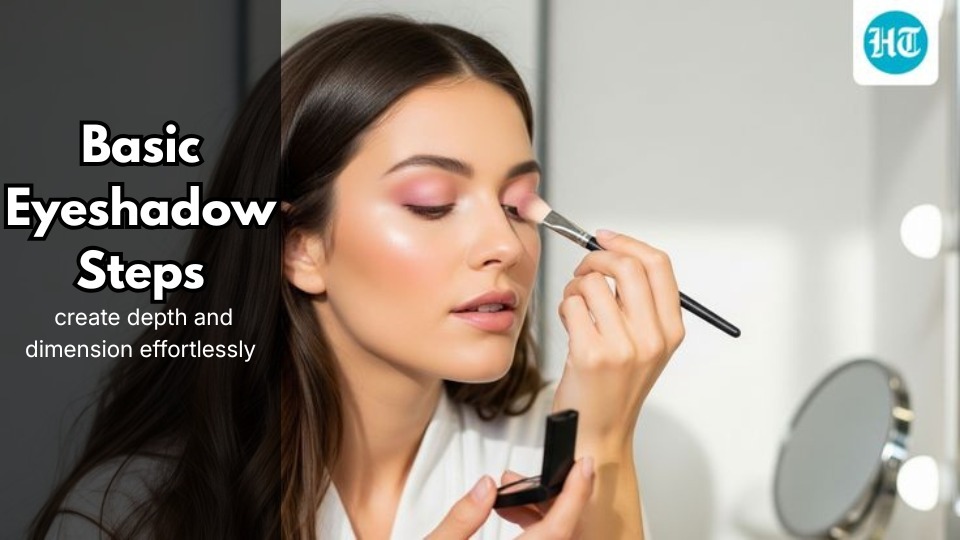
Basic eyeshadow steps are the essential foundation that separates amateur application from professional level artistry.Do your eyeshadow attempts always end up looking muddy, patchy, or completely different from what you imagined? Many makeup enthusiasts skip these fundamental techniques and wonder why their blending never achieves that seamless gradient effect.This expert crafted guide teaches you the exact transition shade placement, crease blending methods, and lid color application techniques used by certified makeup artists worldwide. You will discover professional secrets about eyeshadow primer usage, brush selection strategies, and color layering sequences that create depth and dimension effortlessly.
Whether you prefer subtle natural definitions or bold smoky eye transformations, understanding basic eyeshadow steps unlocks endless creative possibilities. Our industry backed methods eliminate guesswork and frustration from your beauty routine. Prepare to transform your eye makeup skills with techniques that deliver magazine worthy results every single time
Understanding the Foundation of Professional Eye Makeup Application
Basic eyeshadow steps form the cornerstone of every stunning eye makeup look you admire on runways and red carpets. This systematic approach involves applying different shades in specific sequences to create depth, dimension, and visual harmony.
Professional artists follow these structured methods regardless of whether they create natural daytime looks or dramatic evening transformations. The difference between amateur and professional results often comes down to understanding proper layering techniques.
When you master these foundational methods, achieving seamless color transitions becomes second nature. Every makeup artist begins their training by perfecting these essential sequences before advancing to complex artistic expressions.
The Evolution of Eye Makeup Artistry Through History
Eye decoration represents one of humanity’s oldest cosmetic practices spanning thousands of years. Understanding this rich heritage helps appreciate the techniques modern artists continue refining today.
Ancient Civilizations and Early Pigment Usage
Eye decoration practices date back thousands of years to ancient Mesopotamian and Egyptian societies. Women crushed minerals, plants, and insects to create colorful pigments for eyelid enhancement.
These early cosmetics served both aesthetic and spiritual purposes in various cultural ceremonies. Cleopatra reportedly used lapis lazuli and malachite to create striking blue and green eye looks.
Ancient Indian traditions incorporated turmeric and saffron for golden lid colors during celebrations. These historical practices established the cultural significance of decorated eyes across civilizations worldwide.
Modern Formulation and Application Advances
The twentieth century revolutionized eyeshadow with pressed powder formulas and standardized color palettes. Cosmetic chemists developed blendable textures that amateur users could apply successfully at home.
Basic eyeshadow steps became accessible to everyday consumers through magazine tutorials and television demonstrations. Today innovative formulas include cream textures, liquid pigments, and powder finishes suited for various preferences.
Shimmer particles, matte bases, and satin finishes provide endless creative options. These advancements make professional quality results achievable for anyone willing to learn proper techniques.
Essential Tools Required for Flawless Application
Having the correct tools transforms your application experience from frustrating to enjoyable. Quality equipment makes basic eyeshadow steps significantly more manageable for newcomers.
Selecting the Right Brush Collection
Quality brushes dramatically impact how smoothly products blend across eyelid surfaces. Fluffy crease brushes diffuse transition shades seamlessly without harsh edges.
Flat shader brushes pack intense color onto lid centers for maximum pigment payoff. Pencil brushes allow precise application in outer corners and along lower lash lines.
Blending brushes with tapered tips soften edges between different shade placements. Investing in proper tools makes basic eyeshadow steps significantly easier to execute correctly.
Preparing Your Eyelids for Lasting Wear
Primer application creates a smooth base that helps shadows adhere evenly throughout the day. This essential preparation prevents creasing in eyelid folds and extends wear time considerably.
Concealer underneath eyeshadow intensifies color vibrancy while creating uniform undertones. Setting primer with translucent powder before shadow application improves blendability substantially.
Basic eyeshadow steps always begin with proper lid preparation that professionals never skip. Taking these preliminary measures ensures your artistic efforts remain flawless for hours.
The Professional Application Sequence Explained
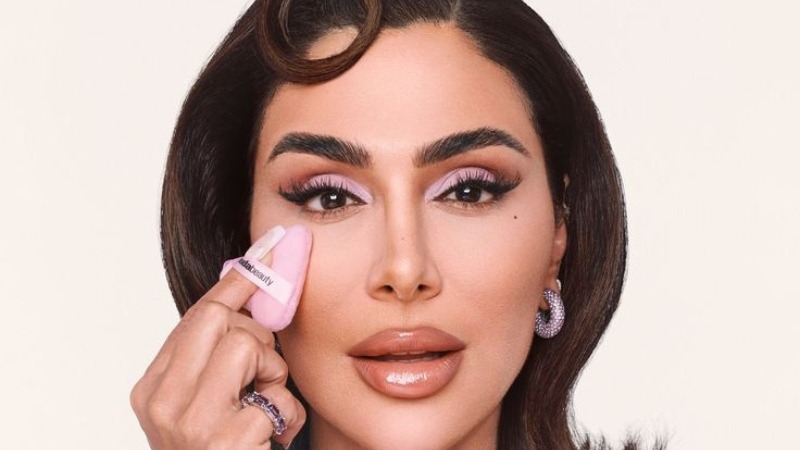
Certified makeup artists follow specific sequences when creating eye looks for clients and photography. These methods maximize color impact while ensuring seamless transitions between shades.
The essential application sequence includes:
- Applying transition shade above the crease using windshield wiper motions to create soft diffused color that connects eye makeup to skin tone naturally
- Deepening the outer corner and crease with darker shades using smaller brushes for precise placement and controlled intensity building
- Packing lid color onto the center of mobile eyelids using flat brushes with pressing motions rather than swiping strokes
- Highlighting the inner corner and brow bone with shimmery or light matte shades to open up the eye area dramatically
- Blending all edges thoroughly until no harsh lines remain visible between different color placements anywhere on the eye
Following these basic eyeshadow steps consistently produces professional results regardless of color combinations chosen.
Overcoming Frequent Application Difficulties
Every beginner encounters challenges when learning eye makeup techniques. Recognizing common problems helps you troubleshoot effectively and improve faster.
Preventing Muddy Color Results
Muddy eyeshadow happens when too many shades blend together without maintaining distinct placement areas. Using transition shades that complement rather than contrast your lid colors prevents this common problem.
Basic eyeshadow steps emphasize cleaning your brush between shade applications to avoid unwanted color mixing. Working with color families rather than random palette selections improves cohesion significantly.
Starting with lighter shades before building darker tones creates cleaner gradients. Patience during blending prevents over manipulation that causes muddy disappointing results.
Addressing Fallout and Creasing Issues
Fallout occurs when loose pigment particles scatter beneath eyes during application. Applying eye makeup before foundation allows easy cleanup without disturbing base products.
Tapping excess product from brushes before lid contact minimizes fallout substantially. Creasing develops when products settle into eyelid folds throughout wear time.
Proper primer application combined with setting powder eliminates this frustrating issue. Basic eyeshadow steps always address these concerns through preparation techniques that ensure lasting beautiful results.
Developing Mastery Through Regular Practice Sessions
Consistent practice transforms basic eyeshadow steps from challenging tasks into effortless routines over time. Recording your progress through photographs reveals improvements that mirrors alone cannot capture.
Experimenting with different color combinations builds creative confidence while expanding your artistic range. Following professional tutorials from certified educators accelerates skill development dramatically.
Basic eyeshadow steps become intuitive muscle memory within weeks of dedicated practice. The satisfaction of achieving seamlessly blended eye looks makes every practice session worthwhile for aspiring makeup enthusiasts everywhere.
Conclusion:
Mastering basic eyeshadow steps empowers you to create stunning eye looks that rival professional makeup artistry. Throughout this guide, you have learned essential techniques including proper lid preparation, transition shade placement, crease blending methods, and color layering sequences that deliver flawless results.
Understanding brush selection, primer application, and the correct application sequence eliminates common frustrations like muddy colors and creasing. Basic eyeshadow provides the foundation for endless creative possibilities from subtle natural looks to dramatic smoky transformations.
Commit to regular practice sessions and watch your skills develop rapidly. Your journey toward beautifully blended eye makeup starts with these professional techniques today.