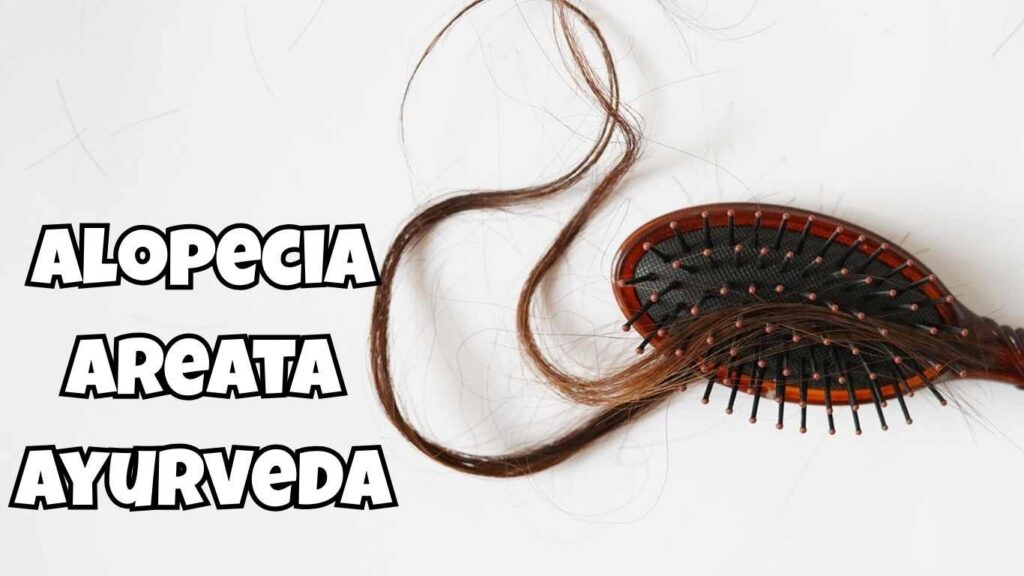
Alopecia areata Ayurveda offers a natural approach to managing hair loss, combining centuries old herbal remedies with holistic care. Hair thinning and patchy bald spots can affect confidence, but Ayurvedic treatments focus on balancing the body’s doshas, strengthening hair follicles, and promoting healthy regrowth. In this article, we explore effective remedies, lifestyle tips, and dietary suggestions backed by expert insights to help you combat alopecia naturally.
You’ll also discover herbal oils, scalp massages, and rejuvenating therapies that support overall hair health. By understanding the root causes and applying these time-tested solutions, individuals can experience noticeable improvement while nurturing their hair from within. Whether you’re looking for preventive care or active treatment, this guide offers practical, Ayurvedic strategies for restoring thicker, stronger hair.
Understanding Alopecia Areata and Ayurveda
What is Alopecia Areata?
Alopecia areata is an autoimmune condition causing sudden hair loss in small, round patches on the scalp or other areas. The immune system mistakenly attacks hair follicles, leading to thinning or bald spots. Many individuals explore alopecia areata Ayurveda approaches, which offer natural and holistic remedies to support hair regrowth. By combining herbal treatments, dietary guidance, and lifestyle adjustments, alopecia areata Ayurveda provides a safe alternative to conventional medications and topical solutions.
The Role of Ayurveda in Hair Health
Ayurveda, the ancient Indian system of medicine, emphasizes balance between mind, body, and spirit. Hair loss is often seen as a result of dosha imbalances Vata, Pitta, and Kapha. By restoring harmony through herbs, oils, and lifestyle adjustments, alopecia areata Ayurveda treatments aim to strengthen follicles and improve overall hair health. These remedies address both the symptoms and underlying causes of hair loss.
Key Features of Alopecia Areata Ayurveda Treatments
Ayurvedic hair therapies in alopecia areata Ayurveda combine herbal oils, dietary guidance, and rejuvenating routines. Herbs like Bhringraj, Amla, Neem, Ashwagandha, and Fenugreek help nourish the scalp, reduce inflammation, and promote growth. Regular application of these oils and pastes supports hair follicles while improving scalp circulation and texture.
Dietary adjustments are equally important. A balanced diet rich in leafy greens, fresh fruits, nuts, seeds, and whole grains strengthens hair from within. Stress management, yoga, and meditation are encouraged to maintain dosha balance and reduce triggers for hair loss.
How Ayurvedic Treatments Work
Balancing the Doshas
In Ayurveda, hair health is closely linked to Pitta dosha, which governs metabolism and growth. Excess Pitta can lead to thinning, premature graying, and scalp inflammation. Alopecia areata Ayurveda treatments focus on restoring balance through cooling herbs, oil massages, and dietary modifications. Vata imbalances causing dryness are treated with nourishing oils, while Kapha-related sluggish growth is managed with detoxifying therapies.
Scalp Massage and Abhyanga
Abhyanga, or Ayurvedic oil massage, stimulates circulation, nourishes follicles, and strengthens roots. Consistent scalp massages with oils like Bhringraj or Amla, commonly recommended in alopecia areata Ayurveda, can promote natural hair regrowth and reduce stress. This practice also enhances absorption of nutrients and detoxifies the scalp.
Types of Ayurvedic Treatments
Ayurvedic therapies for alopecia include:
- Herbal Pastes and Oils: Neem, Fenugreek, and Bhringraj pastes reduce inflammation and nourish follicles.
- Internal Supplements: Herbs like Ashwagandha, Shatavari, and Triphala improve immunity, hormonal balance, and nutrient absorption.
- Rejuvenation Therapies: Panchakarma therapies like Shirodhara and Nasya help detoxify the body, reduce stress, and support hair regrowth.
These treatments work together to create a holistic approach, addressing both symptoms and root causes.
Benefits and Challenges
Advantages of Ayurvedic Approach
Alopecia areata Ayurveda treatments offer:
- Natural and chemical-free remedies
- Minimized side effects
- Targeted approach addressing root causes
- Improved overall immunity and health
- Sustainable long-term results for hair growth
Challenges
Patience and consistency are key, as visible results can take several months. Sourcing authentic herbs and oils is important to ensure effectiveness. While Ayurveda is holistic, severe cases may benefit from medical consultation alongside natural treatments.
Expert Tips for Best Results
- Identify your dosha to personalize treatments
- Use high-quality herbal oils for massage and topical application
- Maintain a diet rich in vitamins, minerals, and protein
- Practice stress-reduction techniques like yoga and meditation
- Follow a consistent routine for scalp care and oil application
By following these steps, individuals can strengthen hair follicles, support regrowth, and maintain a healthy scalp naturally.
Conclusion
Alopecia areata Ayurveda treatments offer a holistic and natural solution for managing hair loss effectively. By combining herbal remedies, dietary improvements, scalp massage, and rejuvenation therapies, individuals can address the root causes of hair thinning while promoting healthy hair regrowth. These practices not only strengthen follicles but also improve overall immunity and scalp health. Consistency and patience are key to achieving long-term benefits. Embracing this Ayurvedic approach empowers individuals to maintain stronger, healthier hair naturally while minimizing side effects and supporting overall well being.