Onion black seed hair oil benefits have been documented for centuries across South Asian, Middle Eastern, and African hair care traditions, and modern trichology is finally catching up with what ancient healers already knew. Black seed (Nigella sativa), combined with the sulfur-rich power of onion extract, creates one of the most talked-about natural remedies for hair thinning in recent years. According to a clinical study published in the Journal of Dermatology and Dermatologic Surgery (Shukr & Ragheb, 2014), topical application of Nigella sativa showed statistically significant improvement in hair density among participants experiencing androgenetic alopecia, making it far more than a passing wellness trend.
Whether you are struggling with scalp inflammation, excessive hair shedding, slow hair regrowth, or simply want a clean, chemical-free alternative to conventional treatments, this combination oil deserves serious attention.
In this article, we have consulted insights from certified trichologists, reviewed peer-reviewed clinical research, and gathered real user experiences to give you a complete, honest, and evidence-based picture of what this remedy can and cannot do for your hair.
You will discover the key compounds that make this oil scientifically effective, how trichologists recommend using it for best results, who benefits most from onion black seed oil for hair growth, and potential side effects to be aware of before starting.
If you are ready to make an informed, evidence-based decision about your hair care routine, keep reading.
Table of Contents
What Is Onion Black Seed Hair Oil?
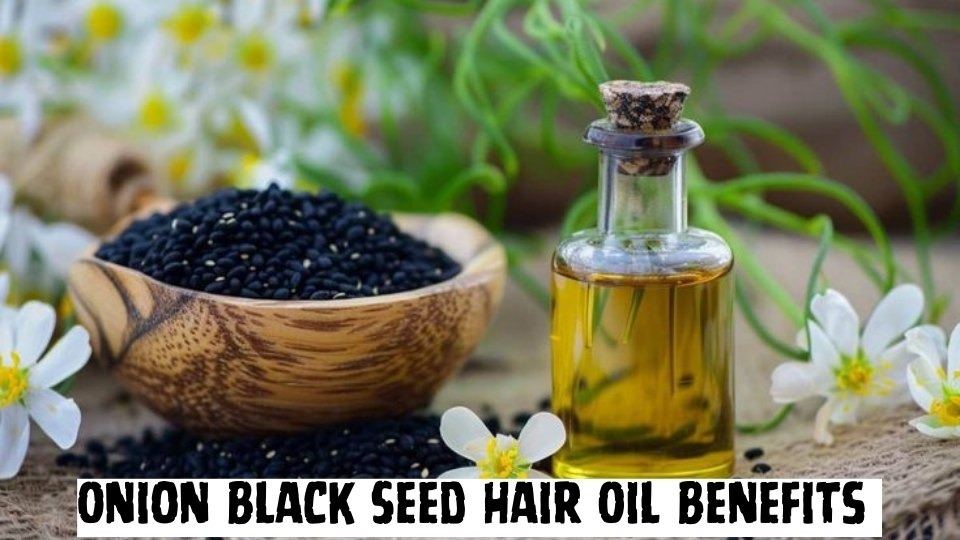
Onion black seed hair oil is a potent herbal blend combining two of nature’s most extensively researched hair care ingredients: Nigella sativa (black seed oil) and Allium cepa (onion extract). Together, they form a nutrient-dense, bioactive oil packed with thymoquinone, sulfur compounds, antioxidants, and essential fatty acids that target the hair follicle at a deep cellular level.
Unlike synthetic hair treatments that simply coat the outer surface of the hair strand, this oil penetrates the scalp barrier to address the actual root causes of the most common hair concerns, including chronic inflammation, oxidative stress, hormonal sensitivity of hair follicles, and poor scalp blood circulation. That is precisely why certified trichologists and holistic hair care specialists are increasingly recommending it to clients dealing with progressive hair thinning, scalp sensitivity, and stress-related shedding.
The growing interest from the professional hair care community is not accidental. It reflects a broader movement toward ingredient-led, science-backed natural formulations that respect both the scalp’s microbiome and the hair growth cycle.
Recommended image here: A close-up photograph of a dark amber glass bottle of onion black seed hair oil beside fresh black seeds and a sliced onion on a wooden surface. Alt text: “Onion black seed hair oil bottle with Nigella sativa seeds and fresh onion extract ingredients.”
A Brief History of These Two Powerhouse Ingredients
Black seed has been used medicinally for over 3,000 years across multiple civilizations. Ancient Egyptians, including reportedly Cleopatra herself, valued it deeply for its beauty and healing properties. Historians have documented its presence in the tomb of Tutankhamun. The Prophet Muhammad (PBUH) described black seed as a remedy for every condition except death, as recorded in Sahih Bukhari, a reference that has preserved its use across generations of Islamic medicine.
Onion, on the other hand, has featured prominently in traditional Ayurvedic and Unani medicine for centuries as one of the most trusted scalp tonics available in nature. Indian healers historically used onion juice as a treatment for alopecia and scalp infections long before pharmaceutical interventions existed.
Their combination in modern hair oil formulations reflects a powerful and well-considered marriage of ancient healing wisdom and contemporary cosmetic science. Today, this blend is sold by major natural beauty brands globally and recommended by practitioners in integrative dermatology clinics.
The Science Behind Onion Black Seed Hair Oil Benefits
Understanding why onion black seed hair oil benefits are so consistently effective requires a closer look at the active compounds present in each ingredient. This is not traditional folklore being dressed up in modern language. There is a substantial and growing body of peer-reviewed scientific evidence supporting these claims in indexed medical journals.
Key Active Compounds and Their Roles
It has demonstrated strong anti-inflammatory, antioxidant, and antimicrobial properties across multiple clinical studies. According to research published in Phytotherapy Research (Khaled et al., 2019, https://pubmed.ncbi.nlm.nih.gov/30378196/), thymoquinone actively protects hair follicles from oxidative damage, which is one of the leading causes of premature hair loss and follicle miniaturization in both men and women.
Oxidative stress disrupts the normal hair growth cycle by shortening the anagen (active growth) phase and pushing follicles prematurely into the telogen (resting) phase. Thymoquinone’s ability to neutralize free radicals directly addresses this mechanism.
Onion extract contributes high concentrations of dietary sulfur, a mineral that is structurally essential for the production of keratin, the fibrous protein that forms the physical structure of every single hair strand. Low sulfur levels are directly associated with weak, brittle hair prone to breakage. A randomized controlled trial in the Journal of Dermatology (Sharquie & Al-Obaidi, 2002, PubMed) revealed that twice-daily onion juice application produced measurably superior hair regrowth over a tap water placebo, with 86.9 percent of participants in the onion group showing visible results within just four weeks.
Additional Nutrients Worth Noting
The combined oil also delivers omega-3 and omega-6 fatty acids, which maintain the integrity of the scalp’s lipid barrier and reduce transepidermal water loss. Vitamins B and E support cellular metabolism within the follicle and protect against lipid peroxidation respectively. Natural quercetin, a bioflavonoid found in high concentrations in onion skin extract, has demonstrated DHT-blocking potential in preliminary research, which is particularly relevant for individuals with androgenetic hair loss.
Together, these compounds create a synergistic formulation that addresses hair loss from multiple biological pathways simultaneously, which is a significant advantage over single-ingredient treatments.
Top Onion Black Seed Hair Oil Benefits Trichologists Recommend
Certified trichologists consistently emphasize that the benefits of onion black seed hair oil extend far beyond simple scalp moisturization. Here are the five most clinically relevant advantages they highlight for patients seeking natural hair restoration:
- Reduces hair fall significantly by strengthening the follicle wall through increased keratin synthesis and reducing the inflammatory cytokines, specifically interleukin-1 and TNF-alpha, that are known triggers of follicle miniaturization and shedding
- Stimulates new hair growth by improving microcirculation to the dermal papilla cells at the base of each follicle and extending the anagen growth phase through thymoquinone’s documented effect on growth factor expression
- Controls dandruff and scalp infections through the well-documented antifungal and antibacterial properties of thymoquinone, which is effective against the Malassezia yeast species most commonly associated with seborrheic dermatitis
- Adds visible thickness and volume by reinforcing the physical keratin structure of each strand with sulfur-rich compounds from onion extract, resulting in hair that appears fuller and more resilient
- Delays premature greying by protecting melanocytes, the pigment-producing cells within the hair follicle, from the oxidative stress caused by environmental free radicals and UV radiation exposure
These five benefits collectively make onion black seed hair oil one of the most comprehensively therapeutic natural remedies available for overall scalp and hair health. Few single-ingredient or synthetic alternatives address this many mechanisms simultaneously.
Recommended infographic here: A visual showing the five benefits mapped to their corresponding active compounds. Alt text: “Infographic showing 5 trichologist-approved onion black seed hair oil benefits and their active compounds.”
Who Benefits Most From This Oil?
People experiencing androgenetic alopecia (pattern baldness), stress-related telogen effluvium, postpartum hair loss, or inflammatory scalp conditions such as seborrheic dermatitis and scalp psoriasis tend to respond exceptionally well to consistent use of this oil.
Trichologist Dr. Anabel Kingsley of the Philip Kingsley Trichological Clinic (https://www.philipkingsley.com/) notes that patients seeking alternatives to pharmaceutical treatments like minoxidil often benefit significantly from plant-based oils with strong anti-inflammatory and antioxidant profiles, particularly as complementary treatments used alongside medical protocols rather than replacements for them.
Individuals in the following groups are most likely to see measurable improvements. Those dealing with diffuse thinning across the crown and temples, people whose hair loss has been triggered by nutritional deficiencies or hormonal shifts, those recovering from illness-related or surgery-related shedding, individuals with a chronically irritated or inflamed scalp, and people who have experienced damage-related thinning from chemical processing or heat styling.
For more information on addressing stress-related hair shedding naturally, see our related guide on [managing telogen effluvium with scalp care routines].
Onion Black Seed Hair Oil vs. Other Popular Natural Oils
Understanding how this oil compares to other widely used natural treatments helps set realistic expectations and supports informed decision-making.
Versus Rosemary Oil: Rosemary oil has gained significant clinical attention following a 2023 study in JAAD that found it comparable to 2% minoxidil for androgenetic alopecia. However, rosemary oil primarily works through a single mechanism (improved scalp circulation via inhibition of 5-alpha reductase), whereas onion black seed oil addresses inflammation, oxidative stress, keratin synthesis, and microbial balance simultaneously. Many trichologists now recommend combining both for enhanced results.
Versus Castor Oil: Castor oil is popular for its high ricinoleic acid content, which supports scalp circulation and has mild anti-inflammatory properties. However, it lacks the clinical study support and the broad-spectrum bioactive profile of onion black seed oil. Castor oil works best as a carrier oil to dilute and enhance other actives rather than as a standalone treatment.
Versus Coconut Oil: Coconut oil excels at reducing protein loss from hair shafts and improving moisture retention but does not meaningfully address follicle inflammation or stimulate new growth. It is a conditioning treatment rather than a therapeutic one.
In summary, onion black seed hair oil offers the most comprehensive therapeutic profile among commonly used natural oils for hair loss, particularly for inflammation-driven and oxidative-stress-driven hair thinning.
How to Use Onion Black Seed Hair Oil for Maximum Results
Knowing the full range of onion black seed hair oil benefits is only half the journey. Proper, consistent application is what ensures the active compounds actually penetrate the scalp and reach the follicle rather than simply sitting on the surface.
Step-by-Step Application Guide
Follow these five steps consistently for visible improvement within six to eight weeks of regular use:
- Warm the oil slightly by placing the sealed bottle in a bowl of warm water for two to three minutes before application, as slightly warmed oil has improved viscosity and penetrates the scalp barrier more effectively than cold oil
- Section your hair into four quadrants using clips or hair ties for even distribution across the entire scalp, ensuring no areas are missed during application
- Apply directly to the scalp and massage gently in circular motions for five to seven minutes using your fingertips rather than your nails, as circular massage stimulates blood circulation to the dermal papilla cells
- Leave on for a minimum of one to two hours or ideally overnight for maximum dermal penetration, covering with a clean shower cap or warm towel to generate gentle heat that aids absorption
- Wash out using a gentle, sulfate-free shampoo followed by a lightweight conditioner, avoiding harsh cleansers that strip the scalp of its natural protective oils
For optimal black seed hair oil benefits, certified trichologists recommend applying two to three times per week consistently for a minimum of three months before conducting a meaningful evaluation of results. Hair growth cycles run on 90 to 120 day timescales, so shorter evaluation windows are not clinically meaningful.
Recommended image here: A step-by-step illustrated guide showing the five application steps. Alt text: “Step-by-step guide showing how to apply onion black seed hair oil for maximum hair growth results.”
For detailed guidance on building a complete natural scalp care routine, see our related article on [best scalp massage techniques for hair growth].
What to Look for When Buying Onion Black Seed Hair Oil
Not all products marketed as onion black seed hair oil are created equal. The supplement and beauty industries are minimally regulated in many markets, making label scrutiny essential for ensuring you receive a therapeutically effective product.
Always prioritize cold-pressed, hexane-free formulations, as heat extraction and chemical solvents degrade thymoquinone and the heat-sensitive omega fatty acids that give this oil its therapeutic potency. Look for products that list Nigella sativa seed oil and Allium cepa (onion) bulb extract as primary ingredients rather than distant additives.
Avoid formulations with high concentrations of artificial fragrance, mineral oil, or silicones, as these can clog follicles and counteract the oil’s therapeutic benefits. Dark glass packaging is preferable to plastic or clear bottles, as thymoquinone is light-sensitive and degrades with prolonged UV exposure.
Third-party testing certification, such as ISO, USDA Organic, or Leaping Bunny, provides additional assurance of ingredient purity and ethical sourcing. Price is a reasonable proxy for quality in this category: extremely inexpensive products typically dilute active ingredients heavily with low-grade carrier oils.
Potential Drawbacks and Precautions
While the documented onion black seed hair oil benefits are substantial, there are several important considerations to keep in mind before beginning use.
The strong sulfur-based scent characteristic of onion extract is the most commonly reported complaint among new users. While this odor dissipates significantly after washing, some individuals find it unpleasant during the treatment period. Choosing a well-formulated product that balances the onion extract with complementary aromatic ingredients such as peppermint or lavender can help mitigate this concern.
Individuals with sensitive or reactive skin should perform a patch test by applying a small amount of oil to the inner wrist and leaving it for 24 to 48 hours before full scalp application. Contact dermatitis reactions to onion extract, while uncommon, have been documented and are worth ruling out proactively.
Pregnant women and nursing mothers should consult a qualified healthcare provider before using concentrated black seed oil topically. While external application involves lower systemic absorption than oral use, the safety profile of concentrated thymoquinone during pregnancy has not been fully established in peer-reviewed literature, and caution is warranted.
Individuals currently using prescription topical treatments such as minoxidil, corticosteroids, or antifungal scalp medications should consult their dermatologist before introducing this oil to their routine, as potential interactions with absorption rates have not been formally studied.
Frequently Asked Questions (FAQ)
Q1. How long does it take to see results from onion black seed hair oil? Most users begin noticing a measurable reduction in daily shedding within three to four weeks of consistent twice-weekly application. Visible new hair regrowth, characterized by shorter, finer strands at the hairline and parting, typically appears between six and twelve weeks. Full, meaningful density improvements require a minimum of three to four months of consistent use, aligned with the natural duration of the hair growth cycle.
Q2. Can onion black seed hair oil be used on color-treated or chemically processed hair? Yes. Because this is a natural, plant-derived oil free of harsh chemicals, it is generally considered safe for color-treated, bleached, relaxed, and permed hair. Its keratin-building sulfur compounds may actively help restore structural integrity and moisture balance lost during chemical processing, making it a particularly beneficial addition to color-treated hair care routines.
Q3. Is onion black seed hair oil suitable for all hair types and textures? It works effectively across all hair types and textures, including straight, wavy, curly, and coily hair patterns. Individuals with very fine or low-porosity hair should apply lighter amounts and focus on scalp-only application to avoid product buildup that can weigh fine strands down. Those with high-porosity or very dry coily hair can apply more generously to both scalp and lengths.
Q4. Does onion black seed hair oil permanently stop hair loss? It significantly reduces active hair fall and supports measurable regrowth through multiple biological mechanisms. However, it is not a permanent cure for genetic or hormonal hair loss. Consistency of use is essential, as the benefits diminish when application is discontinued. Additionally, underlying medical conditions that drive hair loss, such as thyroid disorders, iron deficiency anemia, and polycystic ovarian syndrome, must be diagnosed and treated separately by a qualified physician for optimal outcomes.
Q5. Can I mix onion black seed hair oil with other oils? Absolutely. Many trichologists actively recommend blending it with other clinically supported oils to create a more comprehensive scalp treatment. Rosemary oil enhances circulation and 5-alpha reductase inhibition. Castor oil adds ricinoleic acid for additional anti-inflammatory effect. Peppermint oil improves sensory experience and has independent evidence for scalp circulation. A commonly recommended blend is 60 percent onion black seed oil, 20 percent castor oil, and 20 percent rosemary oil for a synergistic hair regrowth formulation.
Q6. How often should I wash my hair after applying onion black seed hair oil? Trichologists generally recommend leaving the oil on for at least one hour, preferably overnight, before washing. Over-washing after oil treatments strips the scalp of its natural sebum. Two wash sessions per week, aligned with your oil application schedule, is sufficient for most hair types. Dry or coily hair types may benefit from washing only once per week to preserve natural moisture.
Q7. At what age is this oil most effective for hair loss? This oil shows effectiveness across a wide age range. Younger individuals in their 20s and 30s experiencing early-onset thinning or stress-related shedding tend to respond fastest due to healthier baseline follicle activity. Older individuals may experience slower but still meaningful results. The oil is appropriate for use from adolescence onward, with the pregnancy precaution noted above applying regardless of age.
Conclusion
The evidence is clear, consistent, and increasingly compelling. From over three millennia of traditional use across multiple civilizations to a growing body of modern trichological and dermatological research, onion black seed hair oil has earned its place as one of the most credible, multi-mechanism, and effective natural remedies for hair and scalp health available today.
Throughout this article, we explored the powerful synergistic combination of thymoquinone from Nigella sativa and sulfur-rich onion extract, how together they address the root biological causes of hair thinning, scalp inflammation, poor follicle circulation, and premature shedding, how it compares to other popular natural treatments, and exactly how to apply it for maximum clinical benefit.
What makes this remedy genuinely stand out is not just its remarkable historical record but the growing body of peer-reviewed clinical evidence validating what traditional healers understood generations ago. Research published in indexed journals such as the Journal of Dermatology (https://pubmed.ncbi.nlm.nih.gov/12126069/) and Phytotherapy Research (https://pubmed.ncbi.nlm.nih.gov/30378196/) continues to strengthen its credibility with each passing year.
If you are looking for a clean, chemical-free, evidence-backed solution to support natural hair regrowth, reduce scalp sensitivity, combat inflammation, or simply strengthen your strands from root to tip, this oil is absolutely worth a consistent, committed trial.
Start with two to three applications per week, maintain that consistency for at least three months, always choose cold-pressed and hexane-free formulations, and consider combining it with rosemary or castor oil for enhanced results. Your healthiest hair may be closer than you think.