Natural Camphor vs Synthetic Camphor plays a significant role in both traditional remedies and modern applications, but understanding the differences is crucial for safe and effective use. This article explores the origin of camphor, highlighting how aromatic compounds in natural camphor differ from the chemical composition of synthetic variants. You will also discover the health benefits, therapeutic applications, and safety considerations associated with each type. Additionally, we discuss how skin care routines and aromatherapy practices can be influenced by choosing the right form. By the end, readers will have a clear understanding of which option suits their daily and therapeutic needs, helping them make informed decisions backed by both science and tradition.
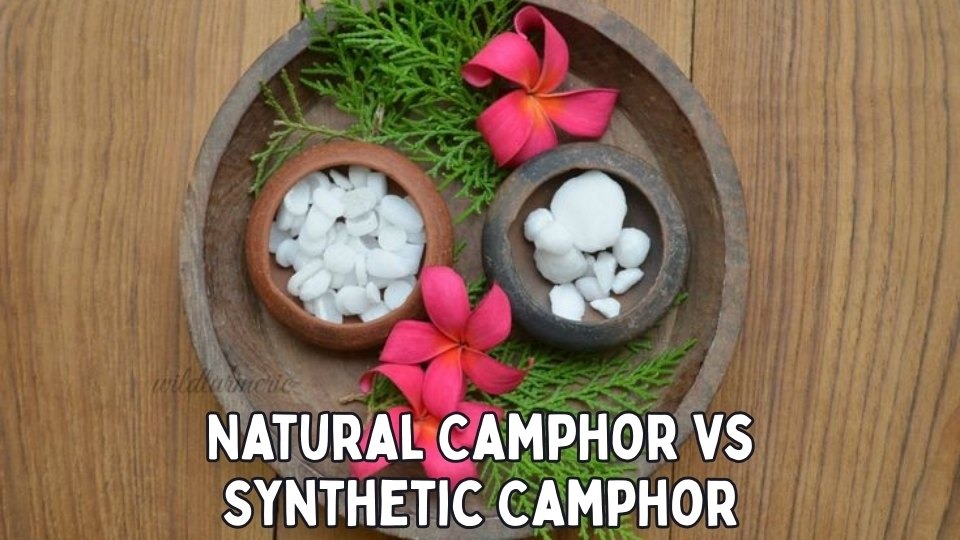
Definition and Overview of Natural Camphor vs Synthetic Camphor
Natural camphor is a crystalline substance derived from the wood of the camphor tree, historically valued for medicinal and aromatic purposes. Synthetic camphor, on the other hand, is chemically manufactured to replicate the properties of natural camphor. Understanding Natural Camphor vs Synthetic Camphor is important for those seeking specific health benefits or therapeutic applications. Both forms are used in traditional remedies, aromatherapy, and modern cosmetic products, but their source, purity, and effects can vary significantly.
Natural camphor often contains minor impurities that contribute to its aromatic profile and subtle therapeutic qualities. Synthetic camphor is consistent in composition, making it predictable for industrial and pharmaceutical use. Knowing these differences helps consumers choose products aligned with their health and wellness goals.
Historical Background and Cultural Significance
Origins of Natural Camphor
Camphor has been used for centuries in Asian and Middle Eastern cultures. In India, China, and Japan, natural camphor was valued for religious ceremonies, traditional medicine, and skin applications. Its antibacterial and aromatic properties made it a staple in herbal remedies and incense.
Development of Synthetic Camphor
Synthetic camphor emerged in the late 19th century to meet growing demand. Chemists created camphor from chemical precursors, allowing mass production for pharmaceutical, cosmetic, and industrial uses. This made camphor more accessible while maintaining its essential properties, though some subtle therapeutic qualities of natural camphor were not fully replicated.
Importance and Applications of Natural Camphor vs Synthetic Camphor
Therapeutic Uses
- Provides support for respiratory problems, including coughs, colds, and nasal congestion.
- Skin care applications for minor irritations, itching, and inflammation
- Aromatherapy practices to promote relaxation and reduce stress
- Ingredient in traditional balms and ointments for pain relief
- Incorporation in daily wellness routines to maintain mental and physical balance
Daily Uses and Modern Significance
In modern households, Natural Camphor vs Synthetic Camphor is available in various forms, including oil, tablets, and creams. Natural camphor is often preferred for home remedies and cultural rituals, while synthetic camphor is widely used in industrial and commercial products due to consistent quality. Understanding these uses helps consumers make safer choices for health and daily life.
Health Benefits of Natural Camphor vs Synthetic Camphor
Advantages of Natural Camphor
Natural camphor contains bioactive compounds with anti-inflammatory, antimicrobial, and antioxidant properties. It is commonly used in vapor rubs to relieve congestion, as a massage oil for muscle pain, and in topical applications for minor burns or insect bites. Its aroma also provides calming effects supporting mental well-being.
Advantages of Synthetic Camphor
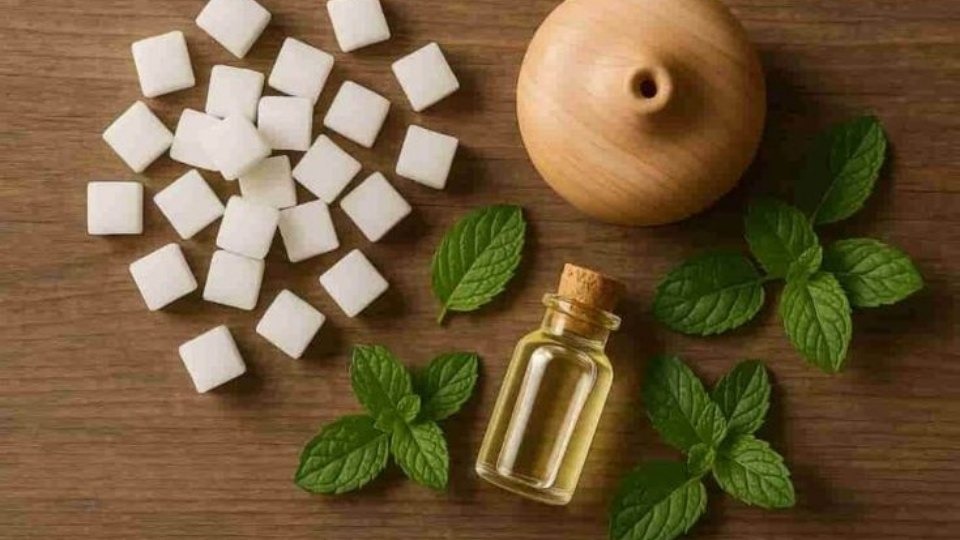
Synthetic camphor delivers similar analgesic and aromatic benefits, and its chemically consistent composition ensures predictable potency. It is more stable for long-term storage and industrial use. While it lacks some subtle aromatic nuances of natural camphor, it is a reliable option for pain relief, respiratory care, and cosmetic products.
Challenges and Safety Considerations of Natural Camphor vs Synthetic Camphor
Potential Risks
Although camphor is beneficial, misuse may cause nausea, dizziness, or toxicity. Sensitive individuals might experience skin irritation when using camphor-based products.
Choosing the Right Type
Selecting between Natural Camphor vs Synthetic Camphor depends on the intended purpose. Natural camphor is better for cultural practices, aromatherapy, and minor home remedies. Synthetic camphor is ideal for pharmaceutical products, industrial applications, and cases requiring consistency and stability.
Regulatory Guidelines
Authorities recommend controlled use of camphor, especially in household products. Reading labels, understanding concentrations, and following professional guidance ensures safety.
Examples and Real-Life Applications of Natural Camphor vs Synthetic Camphor
Household Remedies
- Using natural camphor tablets in small containers to repel insects and purify air
- Incorporating camphor-based ointments in massage routines to relieve muscle tension
- Applying camphor vapor rubs to manage cold symptoms during winter months
- Adding camphor oil to bathwater for soothing and relaxation
- Using synthetic camphor in pharmaceutical creams for standardized pain relief
Industrial and Cosmetic Uses
Synthetic camphor is widely used in producing perfumes, soaps, and cosmetic creams due to its predictable scent and long shelf life. Natural camphor is less commonly used industrially but remains highly valued in traditional and niche products.
Conclusion:
In summary, understanding the differences between natural and synthetic camphor helps users make informed choices for therapeutic and daily use. Natural camphor offers aromatic and traditional benefits, while synthetic camphor provides consistency and stability in pharmaceutical and industrial applications. Considering factors like health benefits, safety considerations, and skin care applications ensures effective and responsible use. By evaluating these aspects, individuals can select the right form for their needs, whether for aromatherapy, respiratory relief, or daily wellness routines. Proper knowledge empowers safe and effective incorporation of camphor into everyday life.