The connection between dark circles and liver problems represents a critical diagnostic relationship that most people completely overlook when addressing persistent periorbital discoloration beneath their eyes. While cosmetic explanations like poor sleep or genetic predisposition receive the majority of attention, emerging clinical evidence reveals that hepatobiliary dysfunction can directly manifest as visible hyperpigmentation in the delicate periorbital skin through mechanisms involving bilirubin metabolism disruption, impaired detoxification pathways, and systemic oxidative stress accumulation.
This article explores dark circles and liver problems by examining how hepatic insufficiency triggers melanogenesis activation beneath the eyes and how elevated serum bilirubin concentrations create visible chromatic changes in thin periorbital tissue. You will discover how compromised liver detoxification capacity increases circulating free radical damage and how venous congestion patterns associated with portal hypertension contribute to subcutaneous vascular prominence around the orbital region.
Whether you are a dermatologist, a hepatologist, or someone concerned about persistent under eye discoloration, understanding dark circles and liver problems at this clinical depth will transform your diagnostic perspective entirely. By the conclusion, dark circles and liver problems will reveal themselves as potential biomarkers for underlying systemic hepatic pathology demanding thorough medical investigation.
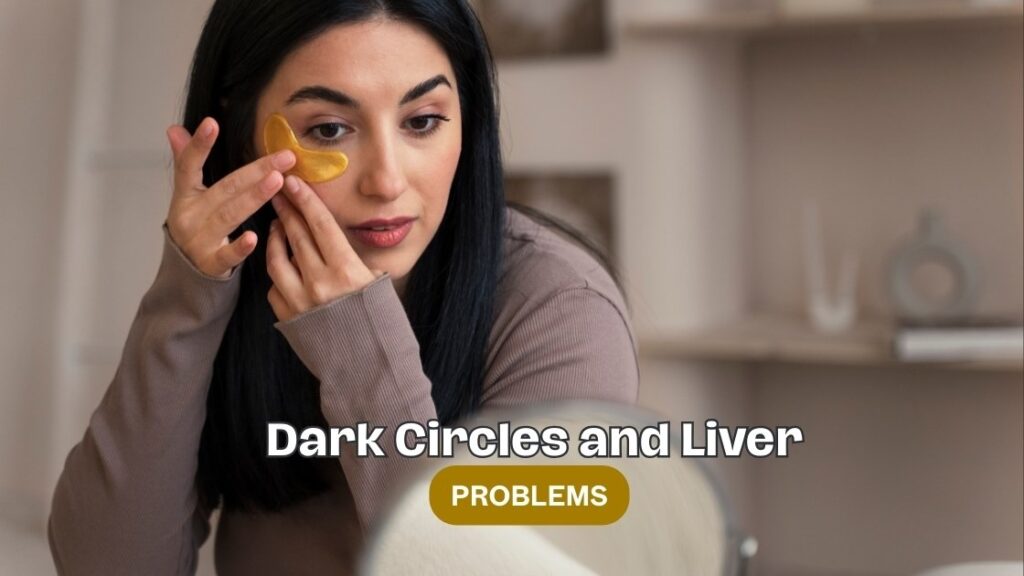
Understanding the Dermatological Connection Between Hepatic Dysfunction and Periorbital Discoloration
The relationship between dark circles and liver problems originates from the unique anatomical characteristics of the periorbital region combined with the liver’s central role in maintaining systemic metabolic homeostasis. The skin surrounding the orbital cavity measures approximately 0.5 millimeters in thickness, making it the thinnest cutaneous tissue anywhere on the human body. This extreme thinness means that any changes in underlying vascular patterns, pigment deposition, or subcutaneous fluid accumulation become immediately visible as discoloration beneath the eyes.
When hepatic function becomes compromised, the liver loses its capacity to efficiently process bilirubin, neutralize circulating toxins, and maintain proper protein synthesis for vascular integrity. These metabolic failures create a cascade of physiological consequences that eventually manifest as persistent periorbital hyperpigmentation visible to the naked eye.
The clinical investigation of dark circles and liver problems has evolved significantly over the past two decades as researchers began connecting dermatological presentations with underlying hepatobiliary pathology. Earlier medical literature treated periorbital discoloration primarily as a cosmetic concern, but contemporary hepatodermatology now recognizes it as a potential cutaneous marker for systemic liver dysfunction requiring comprehensive diagnostic evaluation.
Historical Recognition of Hepatic Skin Manifestations
Traditional medical systems including Ayurveda and Traditional Chinese Medicine documented the connection between liver health and facial skin appearance centuries before modern hepatology existed as a formal discipline. Practitioners in these systems observed that patients with jaundice and hepatic congestion frequently presented with darkened periorbital tissue alongside other characteristic facial discoloration patterns.
Western medicine began formally documenting dark circles and liver problems as a clinical association during the mid twentieth century when dermatologists noticed recurring periorbital hyperpigmentation in patients diagnosed with chronic hepatitis, alcoholic liver disease, and early stage cirrhosis. These observational findings laid the groundwork for the mechanistic research that followed in subsequent decades.
Bilirubin Metabolism Disruption and Chromatic Skin Changes
One of the primary mechanisms connecting dark circles and liver problems involves the disruption of normal bilirubin metabolism. Bilirubin functions as a yellowish waste compound that forms naturally when hemoglobin molecules from deteriorating red blood cells undergo enzymatic degradation within the reticuloendothelial system. Under healthy conditions, the liver conjugates unconjugated bilirubin through glucuronidation and excretes it into bile for elimination through the gastrointestinal tract.
When hepatic conjugation capacity becomes impaired due to hepatocellular damage or cholestatic obstruction, unconjugated bilirubin accumulates in the bloodstream. This hyperbilirubinemia produces visible pigmentation changes that appear first in the sclerae and subsequently in thin skinned regions including the periorbital area, creating a characteristic yellowish brown discoloration that differs distinctly from fatigue related darkening.
Hemosiderin Deposition and Iron Overload Manifestations
Dark circles and liver problems also intersect through the mechanism of hemosiderin deposition in periorbital tissue. Liver diseases including hemochromatosis and chronic hepatitis disrupt normal iron metabolism, leading to excessive iron storage throughout body tissues. The periorbital region becomes particularly susceptible to hemosiderin staining due to its rich capillary network and minimal subcutaneous fat cushioning.
This iron derived pigment creates a distinctive brownish purple discoloration beneath the eyes that resists conventional cosmetic treatments because the pigmentation originates from deep dermal deposition rather than superficial epidermal melanin accumulation. Identifying this hemosiderin pattern can serve as an important clinical clue prompting further investigation into underlying hepatic iron metabolism disorders.
Oxidative Stress Pathways and Melanogenesis Activation
Compromised hepatic detoxification capacity directly increases systemic oxidative stress levels, which represents another critical mechanism linking dark circles and liver problems at the cellular level. When the liver cannot adequately neutralize reactive oxygen species through glutathione conjugation and cytochrome P450 enzyme activity, these free radicals circulate systemically and damage cellular structures throughout the body.
The periorbital skin demonstrates heightened vulnerability to oxidative damage due to its minimal antioxidant defense reserves and thin epidermal barrier. Elevated reactive oxygen species stimulate melanocyte activity through upregulation of tyrosinase enzyme expression, triggering excessive melanin production in the periorbital region that manifests as progressive darkening beneath the eyes.
Portal Hypertension and Venous Congestion Patterns
Advanced liver disease frequently produces portal hypertension, a condition characterized by elevated pressure within the hepatic portal venous system. This increased venous pressure creates systemic venous congestion that affects capillary networks throughout the body, including the delicate periorbital vasculature.
Research examining dark circles and liver problems has shown that portal hypertension induced venous stasis causes periorbital capillary dilation and increased deoxygenated hemoglobin pooling beneath the orbital skin. This venous congestion creates a bluish purple discoloration that combines with bilirubin staining and melanin hyperpigmentation to produce the characteristic multitonal periorbital darkening observed in patients with chronic hepatic disease.
Clinical Evidence Documenting Hepatodermatological Manifestations
The peer reviewed literature investigating dark circles and liver problems has identified several specific measurable pathological connections between hepatic dysfunction and periorbital hyperpigmentation across multiple patient populations and liver disease categories.
- Elevated unconjugated bilirubin concentrations exceeding 1.2 milligrams per deciliter correlating with measurable increases in periorbital skin yellowness index values using spectrophotometric colorimetry analysis
- Increased serum ferritin levels in hemochromatosis patients corresponding with dermal hemosiderin deposition patterns confirmed through periorbital skin biopsy histopathological examination
- Reduced hepatic glutathione reserves measured in chronic hepatitis patients associated with elevated periorbital melanin density quantified through dermoscopic evaluation
- Portal venous pressure elevations documented through hepatic venous pressure gradient measurements correlating with increased periorbital vascular prominence visible under infrared imaging
- Elevated serum liver enzyme concentrations including alanine transaminase and aspartate transaminase showing statistically significant associations with patient reported periorbital darkening severity scores
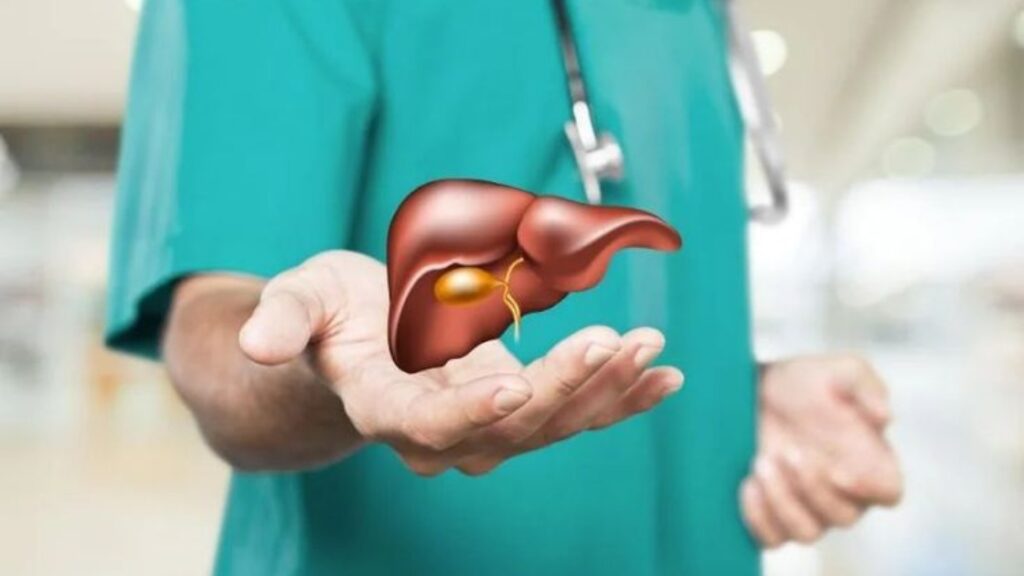
Diagnostic Challenges and Differential Considerations
While the evidence connecting dark circles is substantial, clinicians face significant diagnostic challenges when attempting to distinguish hepatic related periorbital hyperpigmentation from other common causes. Allergic shiners caused by nasal congestion and venous stasis, genetic predisposition toward periorbital melanin deposition, and age related volume loss with tear trough hollowing can all produce visually similar under eye darkening.
The multifactorial nature of periorbital discoloration means that dark circles and liver problems may coexist alongside other contributing factors, complicating isolated diagnosis. A thorough clinical evaluation requires comprehensive hepatic function panel assessment, complete metabolic profiling, and careful dermatological examination to differentiate hepatic origin hyperpigmentation from alternative etiologies.
Recommended Diagnostic Approach for Suspected Hepatic Involvement
When persistent periorbital darkening presents alongside other hepatic symptoms including unexplained fatigue, right upper quadrant discomfort, digestive irregularities, or palmar erythema, clinicians should pursue comprehensive liver function testing including bilirubin fractionation, serum ferritin quantification, and hepatic enzyme panel analysis.
Advanced diagnostic imaging through hepatic ultrasonography or transient elastography can assess structural liver changes while dermoscopic evaluation of the periorbital region can help characterize the pigmentation pattern to determine whether bilirubin staining, hemosiderin deposition, melanin excess, or vascular congestion serves as the dominant contributing mechanism.
Why Dark Circles and Liver Problems Require Integrated Clinical Attention
The evidence connecting dark circles carries significant implications for both dermatological practice and hepatological screening approaches. Periorbital hyperpigmentation that resists cosmetic interventions and persists despite adequate sleep and allergy management may represent an early visible biomarker for underlying hepatic pathology that warrants systematic clinical investigation.
Understanding dark circles through the integrated lens of hepatodermatology empowers both clinicians and patients to recognize that persistent under eye discoloration occasionally signals far more than cosmetic inconvenience. It may represent the body’s visible warning system indicating that hepatobiliary dysfunction requires prompt medical evaluation and potentially life changing early intervention before subclinical liver disease progresses toward irreversible hepatic damage.
Conclusion
The clinical evidence connecting dark circles and liver problems reveals a sophisticated network of pathological mechanisms that extend far beyond superficial cosmetic concerns into genuine systemic health territory. From bilirubin metabolism disruption creating chromatic periorbital changes to hemosiderin deposition staining delicate under eye tissue, each mechanism provides visible diagnostic clues pointing toward underlying hepatobiliary dysfunction requiring professional medical evaluation.
Oxidative stress driven melanogenesis activation, portal hypertension induced venous congestion, and compromised glutathione detoxification capacity collectively contribute to the multitonal periorbital hyperpigmentation patterns observed in patients with chronic hepatic disease. These manifestations serve as potential early biomarkers that clinicians should not dismiss during routine dermatological assessments.
Understanding dark circles and liver problems through this hepatodermatological framework transforms persistent under eye discoloration from an aesthetic frustration into a clinically meaningful diagnostic signal. When periorbital darkening accompanies elevated liver enzymes, abnormal bilirubin fractionation, or unexplained systemic fatigue, dark circles and liver problems demand comprehensive hepatic investigation to prevent progression toward irreversible organ damage.