Deciding between a brush or fingers for foundation is one of the most common debates in the beauty world and even professional makeup artists have strong opinions on both sides. Whether you are a beginner just building your makeup routine or someone who has been blending for years, the tool you choose can dramatically change how your foundation looks and feels on your skin.
The truth is, there is no single “right” answer. Your ideal foundation application method depends on several factors, including your skin type, the formula you are using, and the level of coverage you want to achieve. A dense foundation brush can deliver a polished, airbrushed finish that looks stunning in photos, while using your fingertips offers warmth and control that helps the product melt seamlessly into the skin. Some artists even switch between the two depending on the look they are creating.
In this detailed guide, we will break down exactly why professionals reach for a brush or fingers for foundation in different situations. You will learn the real pros and cons of each technique, discover which makeup tools work best for specific foundation types, and get insider tips straight from experienced artists. We will also cover how your skin texture plays a role in choosing the right method, and whether a beauty sponge deserves a spot in the conversation too.
By the end of this article, you will have a clear understanding of when to use a brush or fingers for foundation so you can achieve a flawless finish every single time no guesswork needed. Let’s dive into what the pros actually do behind the scenes and why their choices might surprise you.
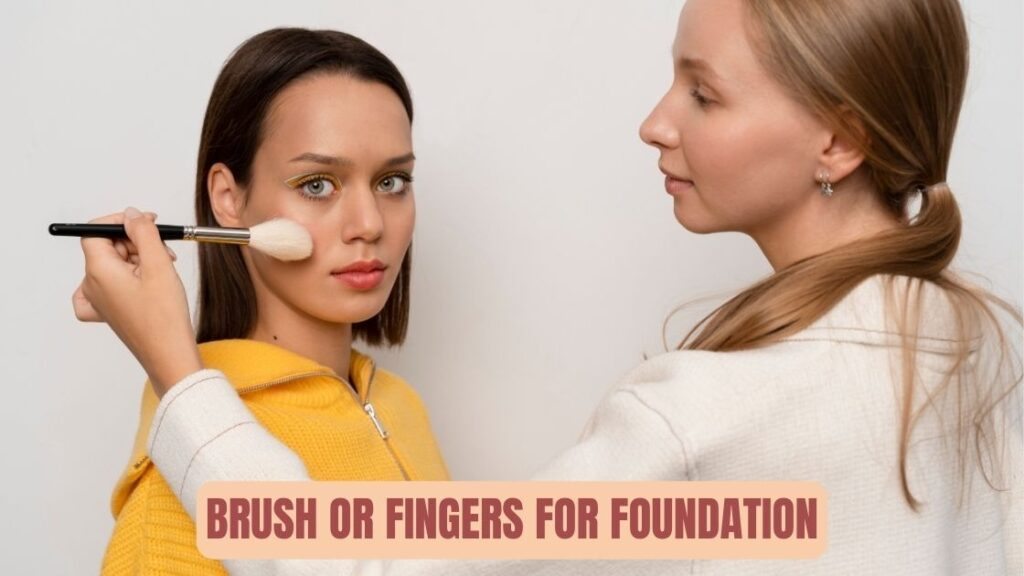
Understanding the Brush or Fingers for Foundation Debate
The conversation around brush or fingers for foundation is not new. Makeup artists and beauty enthusiasts have been discussing this topic for decades, and the answer has evolved as formulas and tools have improved. At its core, this debate comes down to how each method interacts with your skin and the product itself. A foundation brush uses synthetic or natural bristles to distribute product evenly across the face, while finger application relies on body heat and natural pressure to blend the formula into the skin.
Understanding this difference is essential because the tool you choose directly affects your foundation coverage, longevity, and overall appearance. Professional makeup artists often consider the occasion, the client’s skin condition, and the type of foundation before making their choice. This is why knowing when to use a brush or fingers for foundation can elevate your entire makeup game.
Brush or Fingers for Foundation: Key Benefits of Choosing a Brush
Achieving a Polished and Even Finish
One of the biggest reasons artists reach for a foundation brush is the level of control it provides. A good quality brush allows you to build coverage gradually without applying too much product at once. Flat foundation brushes work wonderfully for full coverage looks, while stippling brushes create a more natural, skin like finish. If you are working with liquid foundation or cream foundation, a brush helps distribute the product uniformly across larger areas of the face.
Best Brush Types for Different Foundation Formulas
Not every brush works the same way with every formula. Here are five brush types that professionals commonly recommend:
- Flat paddle brush works best for full coverage liquid foundations and provides a smooth, streak free application.
- Stippling brush is ideal for lightweight formulas and gives a natural, airbrushed effect on the skin.
- Kabuki brush pairs perfectly with powder foundation and mineral formulas for a soft, diffused look.
- Buffing brush blends cream and stick foundations seamlessly and is great for building coverage.
- Fan brush is useful for sheer application and helps set foundation with a light dusting of powder.
Choosing the right brush means understanding your foundation type and the finish you want to achieve. When you match the correct tool with the right formula, using a brush or fingers for foundation becomes a much easier decision.
Benefits of Using Fingers for Foundation
Why Warmth and Touch Make a Difference
Using your fingers to apply foundation is one of the oldest techniques in the beauty industry, and it remains popular for good reason. The natural warmth of your hands helps to slightly melt the product, allowing it to blend more easily into the skin. This is especially helpful when working with thicker formulas or products that tend to sit on top of the skin rather than merging with it.
Many professional artists prefer finger application when working on clients who want a “no makeup” makeup look. The direct contact between your skin and the product creates a seamless, second skin effect that is difficult to replicate with a brush alone. This method also gives you a better sense of how much product you are actually placing on the skin, which helps prevent over application.
When Fingers Are the Better Choice
There are specific situations where choosing fingers over a brush makes more practical sense. If you are applying a tinted moisturizer, BB cream, or any sheer coverage product, your fingertips offer the perfect amount of control. Fingers also work exceptionally well for spot concealing and pressing product into areas that need extra attention, such as around the nose and under the eyes. For those with dry skin, the warmth from your hands can help the foundation adhere better and avoid clinging to flaky patches.
Brush or Fingers for Foundation: A Direct Comparison
Coverage and Finish
When comparing a brush or fingers for foundation side by side, the differences become clear. Brushes generally provide more structured, buildable coverage and are better suited for events, photography, and professional settings. Fingers, on the other hand, deliver a more relaxed and dewy finish that works beautifully for everyday wear and casual outings.
Hygiene and Skin Health
Hygiene is another important factor in the brush or fingers for foundation discussion. Brushes require regular cleaning to prevent bacteria buildup, which can lead to breakouts and skin irritation. If you are not washing your brushes at least once a week, they can become breeding grounds for germs. Fingers, while convenient, also carry natural oils and bacteria that can transfer to your face. Washing your hands thoroughly before application is a simple but essential step to keep your skin healthy and avoid unwanted acne or irritation.
Expert Tips for Getting the Best Results
Combining Both Methods for a Flawless Look
Here is something many people overlook you do not have to choose just one method. Many top makeup artists actually combine both techniques for the best results. They might use a brush or fingers for foundation depending on the area of the face they are working on.
- Start by applying foundation to the center of your face using your fingers to warm and press the product into the skin.
- Use a foundation brush to blend outward toward the jawline and hairline for a seamless edge.
- Go back with your fingertips to press product into areas that need extra attention or blending.
- Use a clean brush to lightly buff any visible lines or streaks for a smooth, polished result.
- Finish by gently tapping your fingers across the entire face to melt everything together and add a natural glow.
This hybrid approach gives you the warmth and intimacy of finger application combined with the precision and polish of a brush. Understanding how and when to use a brush or fingers for foundation allows you to customize your routine and achieve a flawless makeup look every time.
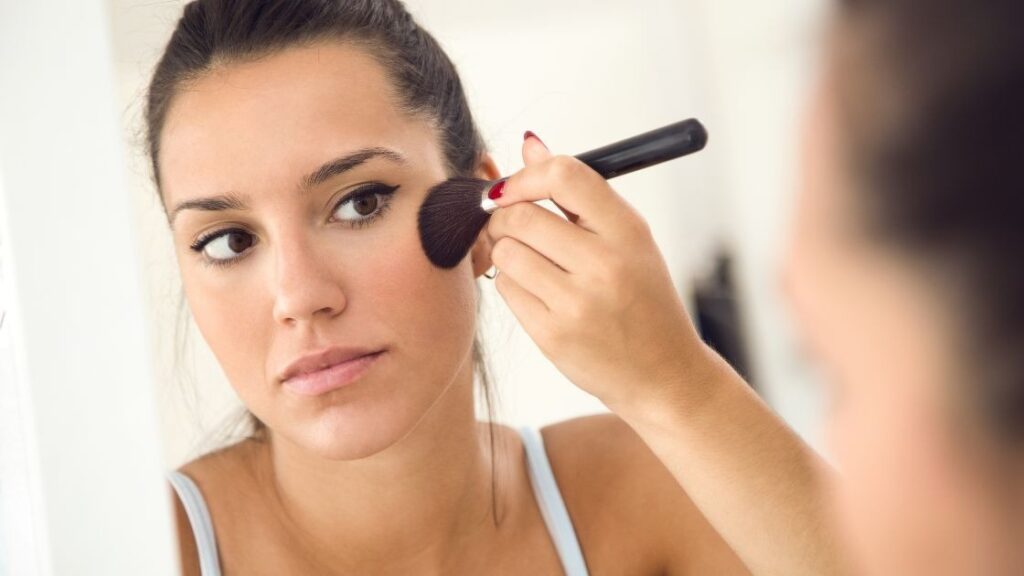
Final Recommendations from the Pros
Most professionals agree that there is no single best method. The ideal choice between brush or fingers for foundation depends on the formula, your skin type, and the finish you are going for. Experimenting with both methods is the best way to discover what works for your unique skin and personal style.
Conclusion
Choosing between a brush or fingers for foundation ultimately comes down to your personal preferences, skin type, and the kind of finish you want to achieve. As we have explored throughout this guide, both methods offer unique advantages that can enhance your foundation application in different ways. Brushes deliver precision, buildable coverage, and a polished look that is perfect for special occasions and professional settings. Fingers provide warmth, control, and a natural, skin like finish that works beautifully for everyday makeup routines.
The most important takeaway is that you do not have to limit yourself to just one technique. Many professional makeup artists rely on a combination of brush or fingers for foundation depending on the area of the face, the formula they are using, and the desired result. This flexible approach allows you to get the best of both worlds and truly customize your look.
Your skin texture, the type of foundation formula you prefer, and even the climate you live in can all influence which method gives you the most flawless finish. Whether you reach for a stippling brush, a flat paddle brush, or simply use your freshly washed fingertips, the key is to experiment and pay attention to how your skin responds.
Now that you understand the real differences between using a brush or fingers for foundation, you have the knowledge to make confident, informed choices every time you sit down at your vanity. Trust the process, practice both methods, and let your skin guide you toward your perfect routine.