Burnt hair from straightener use is one of the most common yet preventable forms of heat damage that millions of people experience every year. That unmistakable smell of singed strands and the brittle, straw-like texture that follows can be devastating, especially when you’ve spent years growing out your locks.
Whether you’re dealing with minor dryness or severe breakage, understanding why this damage occurs is the first step toward healthier hair. In this comprehensive guide, a dermatologist breaks down exactly what happens to your hair shaft when exposed to excessive heat, the warning signs you shouldn’t ignore, and proven strategies to restore your damaged tresses.
You’ll learn about heat protection techniques, proper flat iron temperature settings, deep conditioning treatments, and when it’s time to seek professional hair repair. Let’s explore everything you need to understand about this common hair concern.
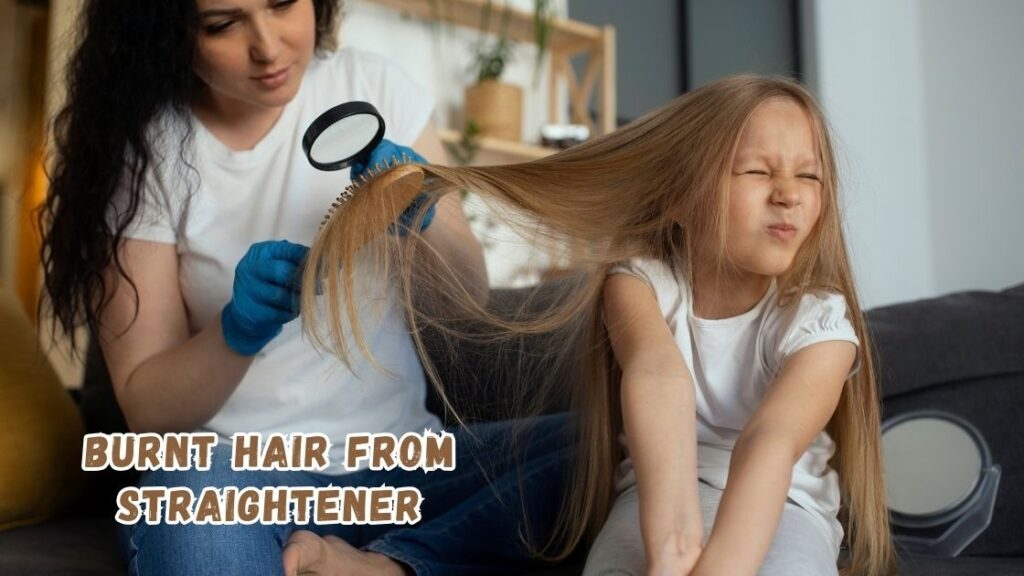
Understanding Heat Damage: What Happens When Hair Burns
When you use a flat iron at excessive temperatures, the heat penetrates your hair cuticle and breaks down the protein bonds that give strands their strength and elasticity. Burnt hair from straightener damage occurs when these bonds are destroyed beyond repair, leaving your hair weak, porous, and prone to snapping.
The outer protective layer of your hair, called the cuticle, consists of overlapping scales that shield the inner cortex. High heat forces these scales to lift and crack, exposing the vulnerable interior. Once this protective barrier is compromised, moisture escapes rapidly, resulting in that characteristic dry, rough texture associated with heat damaged hair.
The Science Behind Thermal Hair Injury
Your hair is primarily composed of a protein called keratin. This protein begins to break down at temperatures above 300°F (150°C). Most straighteners can reach 450°F or higher, which is why burnt hair from straightener misuse is so prevalent among daily styling enthusiasts.
Different hair types have varying tolerance levels. Fine hair burns at lower temperatures than coarse hair, while chemically treated or color processed strands are significantly more vulnerable to thermal injury.
Common Causes of Straightener Burns
Understanding why your hair gets damaged helps you prevent future problems. Several factors contribute to heat styling damage that many people overlook.
Excessive Temperature Settings
One of the primary reasons for burnt hair from straightener use is selecting temperatures far higher than your hair type requires. Many people assume hotter means better results, but this approach causes cumulative damage with each pass.
Prolonged Heat Exposure
Holding the flat iron on the same section for too long literally cooks your strands. Each section should require only one or two passes if your iron is properly heated and your technique is correct.
Skipping Heat Protection Products
Applying a quality heat protectant spray creates a barrier between your hair and the hot plates. Without this crucial step, your strands absorb direct thermal energy, accelerating burnt hair from straightener damage significantly.
Warning Signs Your Hair Is Heat Damaged
Recognizing the symptoms of thermal damage early allows you to intervene before the situation worsens. Pay attention to these indicators that suggest your styling habits need adjustment.
- Your hair feels rough and straw like even after conditioning treatments
- Split ends appear within days of getting a fresh trim
- Strands break off easily when brushing or styling
- Your strands look lifeless and lack their usual healthy glow.
- Elasticity is gone and wet hair snaps rather than stretching
Smell and Texture Changes
Burnt hair from straightener overuse often produces a distinctive burning smell during styling. If you notice this odor, your iron is too hot or you’re passing over sections too many times. Additionally, severely damaged hair develops a gummy texture when wet, indicating the cortex has been compromised.
Effective Treatment Options for Damaged Hair
Restoring burnt hair from straightener injury requires patience and consistent care. While severely damaged sections cannot be fully repaired, you can improve the appearance and prevent further deterioration.
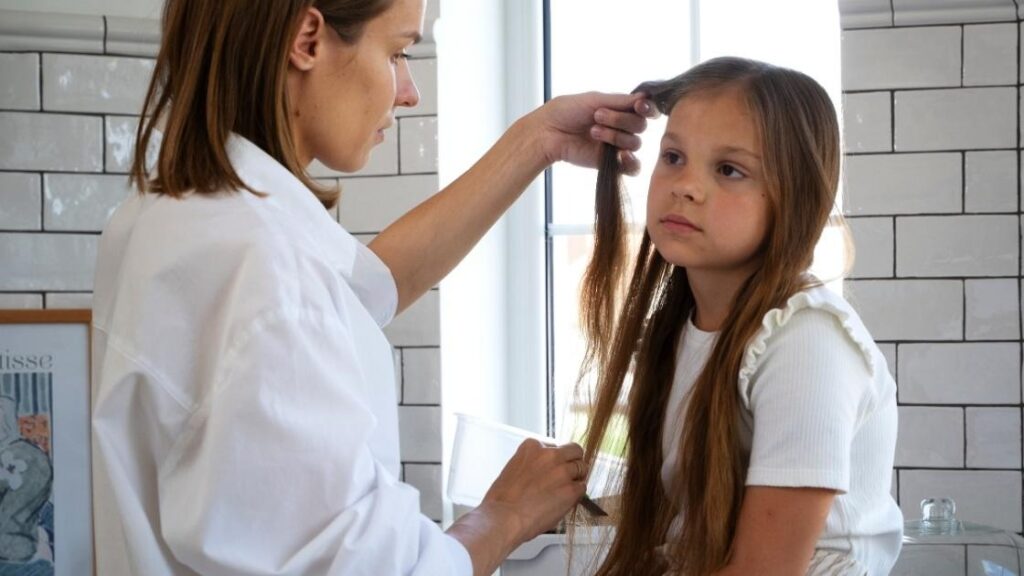
Professional Treatments
Salon keratin treatments and bond rebuilding services like Olaplex can temporarily improve the condition of heat damaged locks. These treatments work by filling gaps in the hair shaft and smoothing lifted cuticles.
At Home Repair Strategies
Deep conditioning masks containing ingredients like argan oil, coconut oil, and shea butter provide intense moisture to parched strands. Using these treatments weekly helps restore softness and manageability to hair suffering from burnt hair from straightener exposure.
Protein treatments are equally important for rebuilding strength. Look for products containing hydrolyzed keratin or silk amino acids that penetrate the cortex and reinforce weakened areas.
Prevention Tips for Healthier Styling
Avoiding burnt hair from straightener problems is far easier than fixing existing damage. Implement these protective measures into your routine.
- Always apply heat protectant before using any hot tools
- Select the minimum heat setting that works for your specific hair texture.
- Limit straightening sessions to two or three times weekly
- Never pass the iron over the same section more than twice
- Invest in a quality straightener with adjustable heat settings
Temperature Guidelines by Hair Type
Fine or damaged hair should never exceed 300°F. Medium textured hair tolerates temperatures between 300°F and 380°F safely. Only thick, coarse, or highly resistant hair requires temperatures approaching 400°F, and even then, caution is essential.
Taking regular breaks from heat styling allows your hair to recover. Consider embracing your natural texture occasionally and exploring heatless styling methods to reduce overall thermal exposure.
Conclusion
Dealing with burnt hair from straightener damage can feel frustrating, but recovery is absolutely possible with the right approach. By understanding how heat affects your hair structure, recognizing early warning signs, and implementing proper prevention strategies, you can protect your strands from future thermal injury.
Remember that patience is essential when restoring heat damaged hair. Consistent deep conditioning, protein treatments, and reducing your styling temperature will gradually improve your hair’s health and appearance. If damage is severe, consulting a professional stylist or dermatologist ensures you receive personalized guidance. Prioritizing burnt hair from straightener prevention today means healthier, stronger locks tomorrow.