Are you struggling with brittle, lifeless hair and searching for a natural remedy? An egg mask for damaged hair offers a simple yet powerful solution that has been trusted for generations. Packed with proteins, vitamins, and essential nutrients, eggs can deeply nourish and strengthen hair, helping to restore shine, reduce breakage, and improve overall health.
In this article, we’ll explore the benefits of using egg treatments, step-by-step application techniques, and tips for combining eggs with other natural ingredients like coconut oil, honey, and yogurt for enhanced results. Whether you’re dealing with split ends, dryness, or hair thinning, this guide will provide practical advice for achieving smoother, healthier hair. Learn how to revitalize your locks with easy, at-home remedies that deliver visible results.
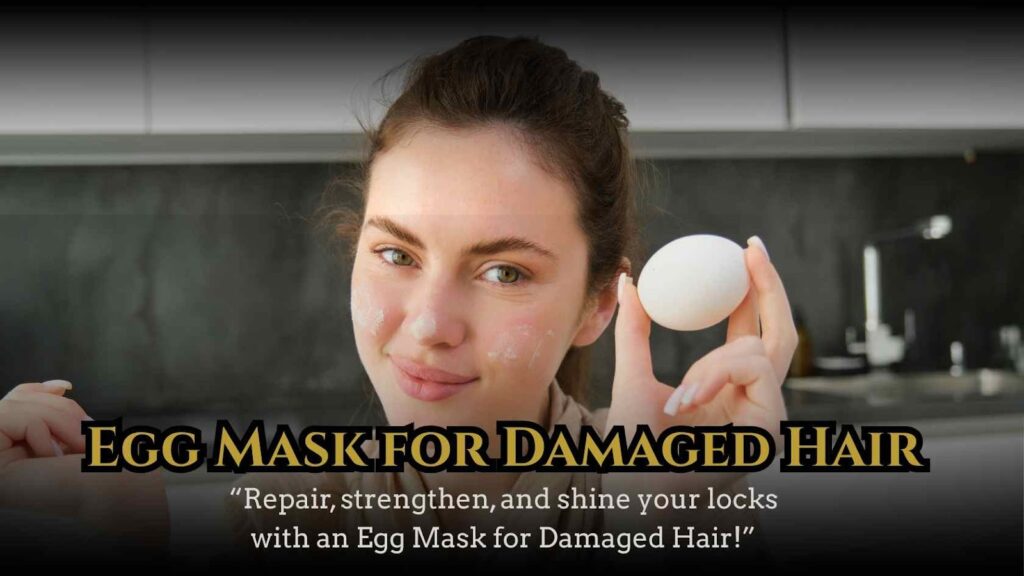
Understanding Egg Masks for Damaged Hair
An egg mask for damaged hair is a natural treatment designed to restore strength, shine, and overall health to hair that has been weakened by chemical treatments, heat styling, or environmental stress. Eggs are rich in proteins, biotin, vitamins A, D, and E, and essential fatty acids, all of which help rebuild hair structure and nourish the scalp. Unlike synthetic hair products that may provide temporary smoothness, egg masks work at the cellular level, repairing damage from the inside out.
Historically, eggs have been used in hair care routines across many cultures. In Europe, women applied egg yolks and oils to prevent dryness, while in Asia, egg-based hair treatments were popular for promoting growth and shine. Their long-standing use highlights the reliability and effectiveness of this natural remedy.
Key Benefits of Using Egg Mask for Damaged Hair
Using an egg mask for damaged hair provides numerous advantages compared to standard hair care treatments. Regular application of an egg mask for damaged hair can transform dry, brittle strands into healthy, manageable hair. These masks deeply nourish and strengthen hair strands, help reduce split ends and hair breakage, and enhance natural shine and smoothness. An egg mask for damaged hair also promotes scalp health by reducing dandruff and stimulates hair growth thanks to its rich protein content. These benefits make it a versatile and natural addition to any hair care routine, especially for those seeking effective solutions without relying on harsh chemicals.
How Egg Mask for Damaged Hair Work
Eggs consist of two primary components: the yolk and the egg white.. Each has unique properties that contribute to hair repair:
Egg Yolk for Moisture and Nutrition
The yolk is rich in fats, vitamins, and proteins that deeply nourish and moisturize hair. It restores elasticity and reduces frizz, making hair softer and shinier.
Egg White for Strength and Cleansing
The egg white contains albumin protein, which helps strengthen hair and tighten cuticles. It also removes excess oil from the scalp, balancing hair health.
By combining both parts or using them separately, an egg mask can target specific hair concerns such as dryness, damage, or thinning.
Types of Egg Masks for Hair Repair
Different formulations of egg mask for damaged hair can be applied depending on your hair type and specific needs:
Simple Egg Mask
Mix one or two eggs and apply directly to damp hair. Leave for 20 minutes and rinse with lukewarm water. Ideal for normal hair repair and nourishment.
Egg and Oil Mask
Combine eggs with coconut, olive, or argan oil to enhance moisture and shine. This is especially effective for dry or frizzy hair.
Egg and Yogurt Mask
Adding yogurt increases hydration and adds probiotics that improve scalp health. This mask is excellent for reducing scalp irritation.
Egg and Honey Mask
Honey acts as a natural humectant, retaining moisture and adding softness. Perfect for brittle or chemically treated hair.
Egg and Aloe Vera Mask
Aloe soothes the scalp and promotes hair growth while eggs repair the hair shaft. Suitable for sensitive scalps and thinning hair.
Step-by-Step Application Process
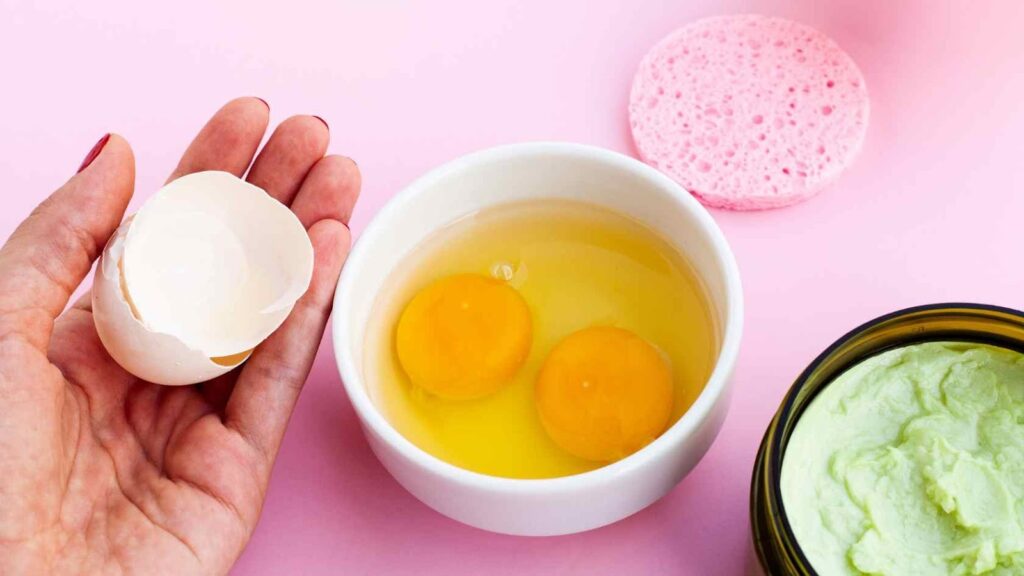
To maximize the benefits of an egg mask, start with clean, slightly damp hair to ensure better absorption. Whisk the egg(s) thoroughly and mix in any chosen natural ingredient, then apply the mixture evenly from roots to tips, focusing on damaged areas. Leave the mask on for 20–30 minutes, ideally covering your hair with a shower cap to enhance its effects. Rinse thoroughly with lukewarm water and follow with a mild conditioner if needed. Consistency is key using this treatment once or twice a week can produce visible improvements in hair strength, shine, and manageability within a few weeks.
Tips for Best Results
To get the most out of your egg masks, consider these professional recommendations:
- Always use fresh eggs for maximum nutrients
- Avoid hot water as it can cook the egg on your hair
- Apply masks on slightly damp hair for better absorption
- Combine eggs with natural oils or honey for enhanced results
- Maintain a healthy diet to support hair repair from within
These small adjustments can significantly enhance the effectiveness of your hair care routine.
Challenges and Precautions
While egg masks are generally safe, some challenges and precautions should be considered:
Odor
Raw eggs emit a strong odor that can persist. Rinsing thoroughly and using essential oils can help mask it.
Allergies
Individuals allergic to eggs should avoid this treatment or perform a patch test on the skin before applying it to hair.
Overuse
Applying egg masks too frequently may lead to stiffness in hair due to protein overload. Limiting treatments to once or twice a week is recommended.
Hair Type Consideration
Those with very oily hair might prefer using only egg whites, while dry hair benefits more from yolks and oils.
Real-Life Use Cases and Examples
Many people have successfully incorporated an egg mask for damaged hair into their beauty routines, experiencing noticeable benefits. Professionals who frequently use heat styling report reduced breakage and smoother hair, while individuals recovering from chemical treatments notice improved shine and softness. Those with thin or thinning hair often see better volume and reduced hair fall when using an egg mask for damaged hair regularly. DIY enthusiasts appreciate the egg mask for damaged hair as a natural, cost-effective hair care solution, and beauty bloggers and influencers frequently highlight it as a reliable home remedy. These examples underscore the versatility and effectiveness of egg masks for addressing a wide range of hair concerns.
Conclusion
Incorporating an egg mask for damaged hair into your routine can significantly improve hair health, restoring strength, shine, and manageability. By providing essential proteins, vitamins, and natural moisture, egg treatments help reduce breakage, repair split ends, and nourish the scalp. Combining eggs with ingredients like coconut oil, honey, or yogurt enhances these benefits, making it an effective natural solution for various hair concerns. Regular use, along with a balanced hair care routine, ensures lasting results. For those seeking healthier, stronger, and shinier hair, egg masks offer a safe, affordable, and proven method.