If you’re struggling to repair severely chemically damaged hair, you’re not alone. Harsh treatments like bleaching, coloring, and perming can leave hair brittle, weak, and prone to breakage. Understanding the science behind hair structure is crucial to restoring its strength, shine, and elasticity. This article explores advanced, clinically-backed strategies to help revive damaged hair, from protein-rich treatments and peptide therapies to moisture-locking solutions and scalp care routines.
Whether you’re dealing with extreme chemical damage or simply want to prevent future hair stress, these expert techniques provide actionable insights for healthier, more resilient strands. By the end, you’ll have a clear roadmap to transform compromised hair into smooth, strong, and vibrant locks that truly reflect its natural beauty.
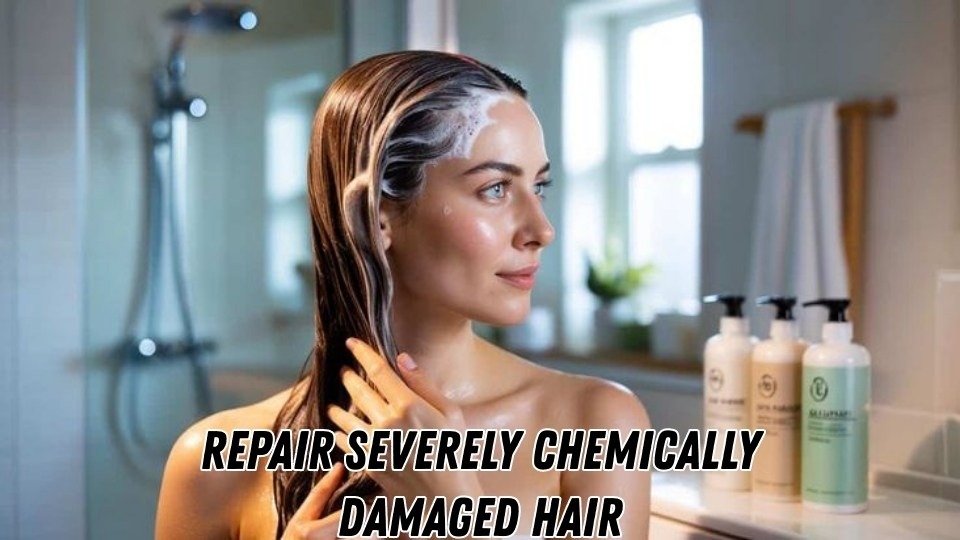
Understanding repair severely chemically damaged hair
Severely chemically damaged hair occurs when excessive chemical treatments weaken the hair structure, making it fragile and prone to breakage. Hair is composed of keratin proteins, which provide strength and elasticity. Frequent bleaching, coloring, perming, or relaxing can disrupt these proteins, resulting in hair that lacks shine, softness, and resilience.
Chemical damage is often cumulative, meaning even occasional treatments over time can compromise the hair’s natural integrity. Repairing this type of damage requires more than just topical conditioning. It involves rebuilding the hair’s internal structure, improving elasticity, and restoring moisture balance. Hair that has undergone severe chemical stress often requires targeted interventions to regain health, strength, and vibrancy.
The History of repair severely chemically damaged hair
Chemical hair treatments have been used for centuries, from ancient Egyptian hair dyes to modern salon bleaching techniques. While these methods have enhanced aesthetics, they have also introduced new challenges for hair health. Early chemical treatments were often harsh and unregulated, leading to widespread hair breakage and scalp irritation.
Modern formulations have improved safety and effectiveness, but improper use can still cause significant damage. Understanding the evolution of chemical hair products helps in selecting treatments that are less harmful and guides strategies to repair severely chemically damaged hair. This historical perspective emphasizes the need for informed hair care practices and professional guidance.
Importance of repair severely chemically damaged hair
Repairing chemically damaged hair is essential not only for appearance but also for overall hair health. Compromised hair is more likely to break, split, and lose natural shine. Failing to address damage can lead to long-term hair thinning or permanent structural weakness.
Restoration supports natural hair growth, enhances texture, and improves manageability. Proper repair techniques can also prevent future damage by strengthening hair from within. Taking proactive measures helps maintain scalp health, reduces frizz, and preserves the hair’s natural beauty.
Benefits of Repair Severely Chemically Damaged Hair Techniques
Applying clinically-backed strategies to repair severely chemically damaged hair provides multiple benefits. These benefits include:
- Restoring natural shine and softness
- Improving hair elasticity and reducing breakage
- Rebuilding keratin and protein structures
- Enhancing moisture retention for smoother strands
- Supporting healthier scalp conditions
These results make hair more manageable, resilient, and visually appealing. By combining professional treatments with consistent at-home care, damaged hair can recover much of its original strength and vibrancy.
Common Challenges in repair severely chemically damaged hair
Repairing severely chemically damaged hair comes with certain challenges. First, not all treatments penetrate deep enough to rebuild internal hair structures. Second, overuse of heat styling tools can worsen the damage. Third, individual hair types respond differently, meaning some methods may work for one person but not another.
Consistency is key in overcoming these challenges. Adopting a tailored hair care routine, including protein treatments, moisturizing therapies, and scalp care, increases the likelihood of successful repair. Regular monitoring and adjustments are necessary to ensure long-term results.
Effective Techniques to Repair Severely Chemically Damaged Hair
There are several advanced methods to restore hair health. Using a combination of professional and at-home approaches is often the most effective strategy.
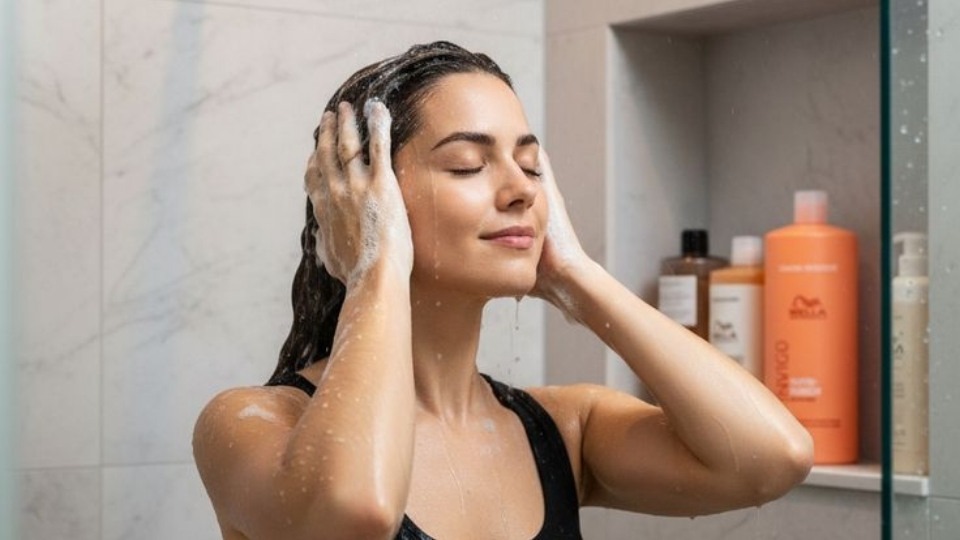
Protein-Based Treatments
Protein treatments are crucial for rebuilding hair structure. These treatments infuse keratin, collagen, or hydrolyzed proteins into damaged hair, strengthening weakened strands. Applying protein masks once a week can restore elasticity and reduce breakage over time.
Moisture Restoration
Moisture is essential to maintain hair softness and flexibility. Deep conditioning with oils like argan, coconut, or jojoba replenishes lost hydration. Combining moisturizing treatments with protein therapy helps achieve balanced hair recovery.
Scalp Care Practices
Healthy hair begins at the scalp. Regular exfoliation and scalp massages improve blood circulation, encouraging stronger growth. Using mild shampoos and avoiding harsh sulfates prevents further damage and promotes a healthier scalp environment.
Heat Protection Strategies
Excessive heat styling can undo repair efforts. Using heat protectants before styling tools and limiting high-temperature exposure preserves hair integrity. Adopting air-drying techniques or low-heat settings ensures hair maintains strength.
Professional Salon Treatments
Specialized salon treatments, including bond-rebuilding systems, peptide therapy, and targeted protein treatments, are highly effective for severe damage. These treatments penetrate deeply to restore the hair’s internal structure while reducing the risk of future breakage.
Practical Examples of Repair Severely Chemically Damaged Hair
For instance, applying a weekly protein mask and daily scalp massage helped a client restore previously brittle hair within six weeks. Another case involved combining bond-rebuilding salon treatment with regular moisture therapy, resulting in hair regaining natural elasticity and shine. These examples demonstrate that consistent, science-backed strategies yield measurable improvements.
Regular at-home care reinforces professional treatments, ensuring long-lasting results. Choosing the right combination of protein, moisture, scalp, and protective strategies allows severely damaged hair to recover its original strength and vitality.
Conclusion:
Repairing severely chemically damaged hair requires a combination of professional treatments and consistent at-home care. By focusing on protein restoration, moisture replenishment, scalp health, and protective styling, hair can regain strength, shine, and elasticity. Addressing damage early prevents breakage and supports long-term hair health. Integrating strategies such as bond-rebuilding treatments, peptide therapy, and deep conditioning ensures lasting results. Maintaining a balanced routine enhances hair resilience, reduces frizz, and improves overall manageability. Prioritizing these methods allows damaged hair to transform into healthy, vibrant, and strong strands that are easier to style and maintain.