Peptide Repair is revolutionizing the way we approach damaged and aging skin, offering scientifically backed solutions that go beyond traditional treatments. In this article, we will explore how advanced skin rejuvenation, collagen production, and cellular repair processes work together to restore a youthful, healthy appearance. You’ll also learn about innovative anti-aging therapies, hydration strategies, and dermal health optimization that make peptide treatments so effective.
By understanding the science behind peptide repair, readers can make informed choices about integrating these treatments into their skincare routines. Whether you’re curious about reducing wrinkles, improving elasticity, or enhancing overall skin vitality, this guide breaks down the most cutting-edge skincare techniques that truly deliver results.
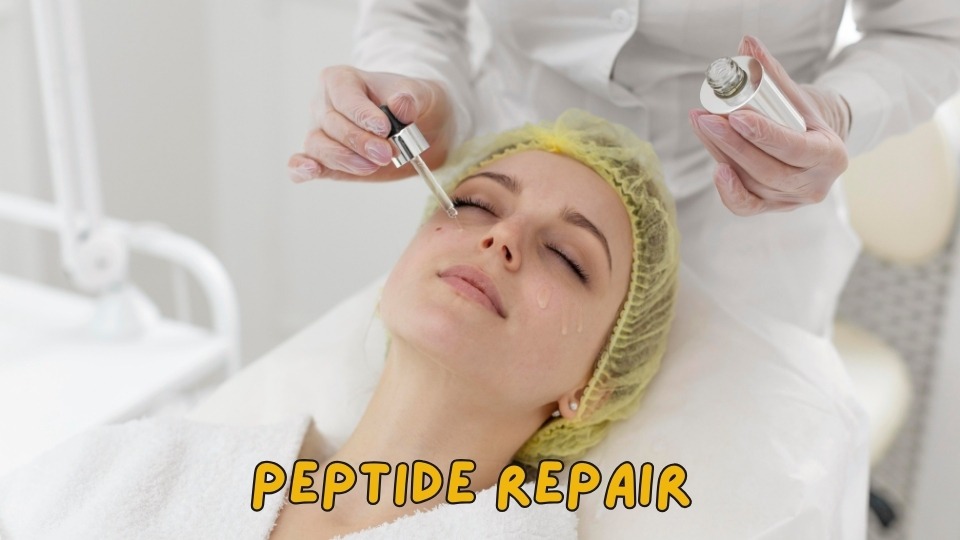
Understanding Peptide Repair
It refers to using short chains of amino acids to stimulate skin regeneration and enhance overall skin health. These peptides act as messengers that signal the skin to produce more collagen and elastin, which maintain firmness and elasticity. Over time, environmental factors like sun exposure, pollution, and stress can weaken the skin’s natural repair processes. Treatments focusing on Peptide Repair aim to counter these effects by promoting cellular renewal and strengthening the skin’s barrier.
The concept of peptides in skincare has been studied for decades, revealing that specific amino acid sequences trigger targeted responses in skin cells. This scientific approach sets it apart from conventional skincare methods.
The History and Background of Peptide-Based Skincare
Early Discoveries of Peptides
Peptides were discovered in the early 20th century as compounds that influence biological processes. Initial research focused on their role in hormones and proteins, but their dermatological potential soon became evident.
Integration into Skincare
By the late 1980s, cosmetic chemists explored peptides for topical applications. Early creams aimed mainly at reducing fine lines. Over time, formulas evolved, combining multiple peptides with bioactive compounds to enhance skin rejuvenation and dermal health.
Modern Developments
Today, Peptide treatments appear in serums, masks, and creams. These solutions are recognized for their contribution to anti-aging therapies, collagen stimulation, and cellular repair processes.
Importance:
It plays a vital role in maintaining skin vitality and delaying visible signs of aging. Unlike surface-level treatments, it works at the cellular level to improve skin elasticity, moisture retention, and reduce fine lines. Supporting natural repair mechanisms also strengthens the skin’s resilience against environmental stressors.
Why It Matters
The importance of Peptide Repair includes:
- Stimulating collagen and elastin production
- Promoting faster skin healing and recovery
- Reducing the appearance of wrinkles and sagging
- Improving overall skin tone and texture
- Enhancing the effectiveness of other skincare ingredients
Benefits of Peptide Repair
It offers numerous advantages for both preventive and corrective skincare. Regular use can restore damaged skin, improve hydration, and provide long-term anti-aging effects.
Enhancing Skin Structure
Peptides signal fibroblast cells to increase collagen production, strengthening the skin matrix. This results in firmer, smoother skin and reduces sagging over time.
Accelerating Cellular Repair
By promoting cellular communication, Peptide Repair helps damaged skin recover faster from injuries or irritation. This is particularly helpful for sensitive or reactive skin.
Supporting Hydration
Peptides improve the skin’s barrier function, enhancing moisture retention. This not only prevents dryness but also increases absorption of other active ingredients in skincare routines.
Real-Life Examples
Dermatologists recommend peptide serums as part of daily routines to target anti-aging therapies. Many users report improvements in skin elasticity and smoothness after consistent use.
Challenges and Considerations
While Peptide Repair offers many benefits, there are challenges to consider.
Effectiveness Varies
Not all peptides penetrate the skin equally. Knowing which sequences target specific concerns is crucial for optimal results.
Product Formulation
The stability of peptide-containing products impacts performance. Heat or light exposure may degrade peptides, reducing their effectiveness.
Cost Factor
Advanced Repair treatments can be expensive compared to standard skincare products. However, long-term benefits often justify the investment, especially when combined with other skin rejuvenation strategies.
Supporting Skin Health Beyond Peptides
Advanced skincare treatments today focus on enhancing the skin’s natural ability to repair itself. Ingredients like antioxidants, vitamins, and hyaluronic acid work together to strengthen the skin barrier, improve hydration, and reduce visible signs of aging. Regular use of these formulations can help maintain elasticity, minimize fine lines, and protect against environmental stressors. Additionally, lifestyle factors such as proper nutrition, hydration, and adequate sleep play a significant role in supporting overall skin health. By combining scientifically proven ingredients with consistent self-care, individuals can achieve smoother, firmer, and more radiant skin over time.
Examples of Applications
Topical Serums
Peptide serums deliver active ingredients directly to targeted areas, addressing wrinkle reduction, cellular repair, and hydration enhancement.
Professional Treatments
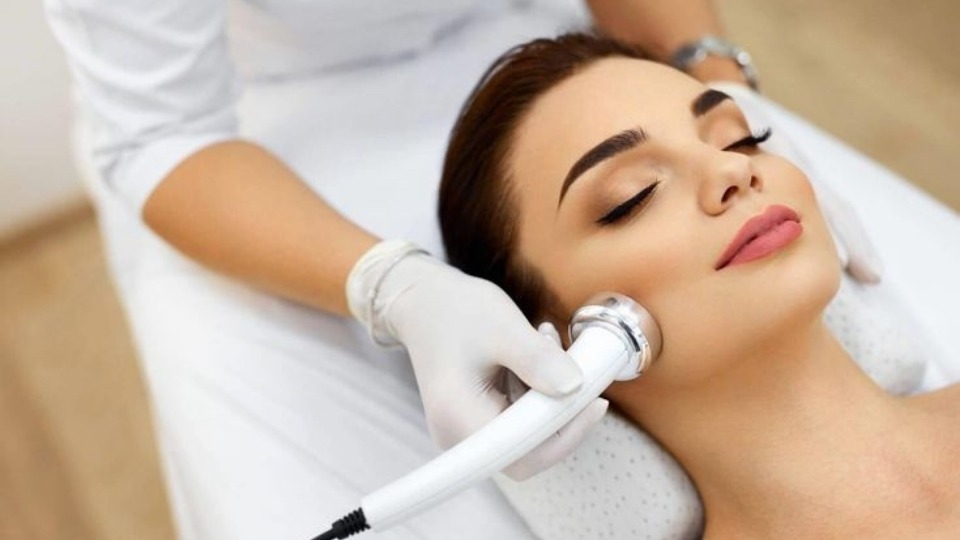
In-office procedures like microneedling or peptide infusions allow deeper penetration, particularly beneficial for aging or sun-damaged skin.
Combination Skincare Routines
Peptide Repair works best with complementary ingredients such as antioxidants, hyaluronic acid, and vitamin C. This approach enhances dermal health, collagen production, and anti-aging effects.
Conclusion:
Peptide repair offers a scientifically advanced way to restore and maintain healthy, youthful skin. By enhancing collagen production, promoting cellular repair, and improving skin elasticity, these treatments address the root causes of damage and aging. Incorporating peptide repair into skincare routines supports long-term skin rejuvenation, hydration, and overall dermal health, making it a valuable tool for anyone seeking visible improvements. While results may vary based on product formulation and application, consistent use of peptide repair can significantly improve wrinkle reduction, moisture retention, and skin vitality, providing lasting, transformative effects.