Dealing with sensitive red skin care challenges can feel overwhelming, especially when irritation flares up without warning. Whether you’re a teenager struggling with reactive skin or an adult managing persistent redness, finding relief requires the right approach tailored to your unique needs.
Facial redness, skin inflammation, and uncomfortable tingling affect millions of people worldwide, regardless of age or skin type. The good news is that with proper knowledge and gentle skincare routines, you can soothe irritated skin and restore your natural comfort.
In this comprehensive guide, we’ll explore proven strategies recommended by dermatology experts to calm reactive complexions effectively. You’ll discover how to identify your specific triggers, choose calming skincare products wisely, and build a redness-reducing routine that delivers lasting results. Let’s begin your journey toward healthier, happier skin today.
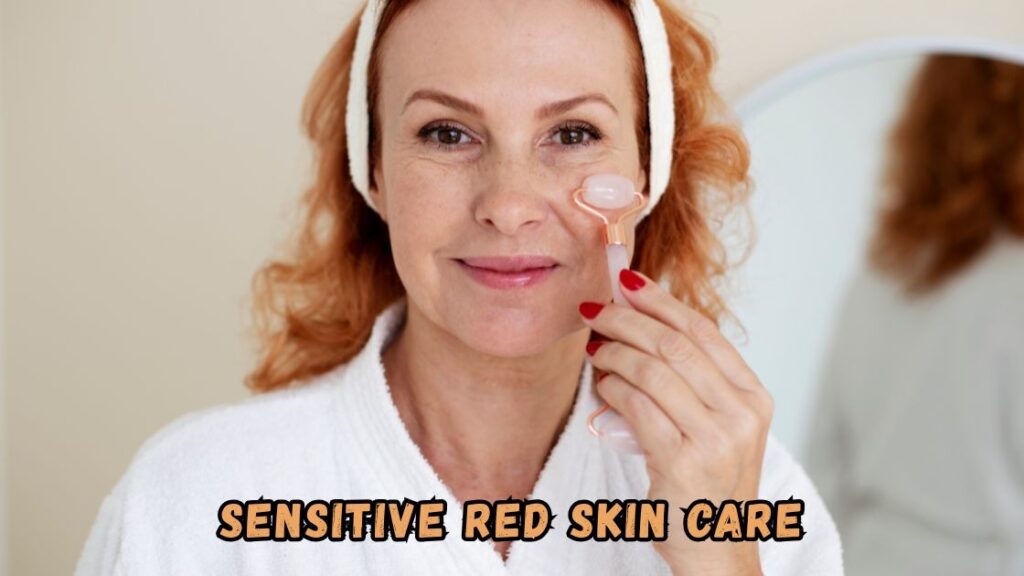
Understanding Sensitive Red Skin: What Causes Facial Redness?
Sensitive red skin care begins with understanding why your complexion becomes irritated in the first place. Skin redness occurs when blood vessels near the surface dilate, often triggered by internal or external factors that compromise your skin barrier.
Common causes include environmental aggressors like extreme temperatures, wind exposure, and UV radiation. Additionally, harsh skincare ingredients, stress, spicy foods, and alcohol consumption can trigger inflammatory responses. For some individuals, underlying conditions such as rosacea, eczema, or contact dermatitis contribute to chronic redness and discomfort.
Your skin barrier functions as a protective shield, and when compromised, moisture escapes while irritants penetrate easily. This leads to that uncomfortable tight, burning sensation many people experience daily.
How Sensitive Skin Differs Across Age Groups
Reactive skin manifests differently depending on your life stage. Children often experience redness due to allergic reactions or eczema, requiring extra gentle formulations. Teenagers may notice redness alongside acne, making product selection tricky.
Adults frequently develop sensitivity due to accumulated sun damage, hormonal changes, or overuse of active ingredients. Meanwhile, mature skin becomes thinner and more reactive, demanding sensitive red skin care approaches that prioritize hydration and barrier repair.
Key Features of an Effective Calming Skincare Routine
Building a successful sensitive red skin care regimen requires selecting products with specific characteristics that soothe rather than aggravate your complexion.
Essential Ingredients for Redness Relief
Look for formulations containing these proven calming components:
- Centella asiatica repairs the damaged skin barrier and reduces inflammation significantly
- Niacinamide strengthens skin resilience while evening out discoloration and redness
- Aloe vera provides immediate cooling relief and deep hydration benefits
- Ceramides restore the protective lipid layer that sensitive skin desperately needs
- Green tea extract offers powerful antioxidant protection against environmental stressors
These ingredients work synergistically to calm irritated skin, reduce visible redness, and prevent future flare ups from occurring.
Ingredients to Avoid Completely
Equally important is knowing what to eliminate from your routine. Fragrances, both synthetic and natural, rank among the top irritants for reactive complexions. Alcohol based toners strip essential moisture, while harsh exfoliants like high concentration glycolic acid can worsen inflammation dramatically.
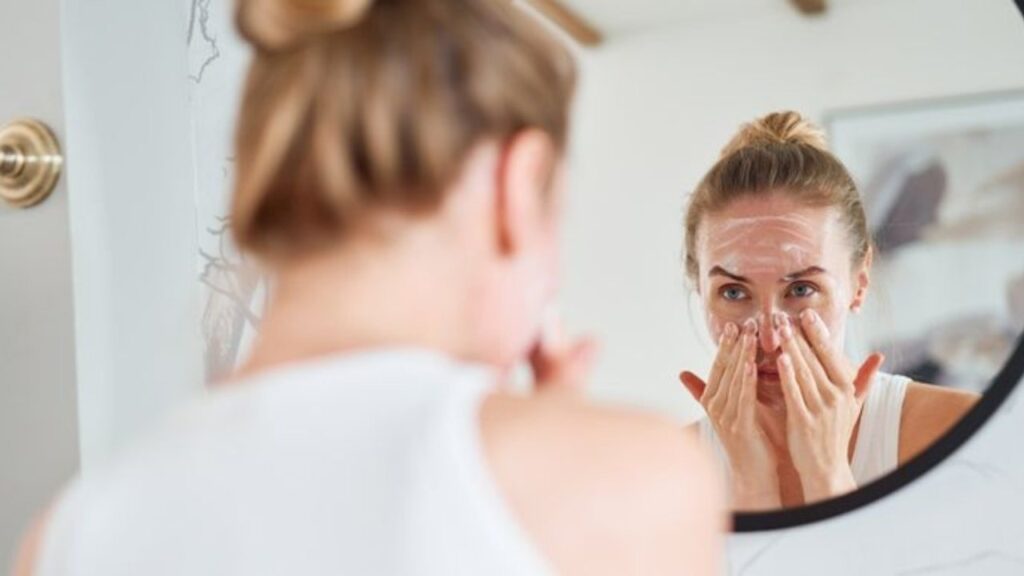
Step by Step Guide to Building Your Routine
Implementing proper sensitive red skin care requires a systematic approach that prioritizes gentleness at every stage.
Morning Skincare Protocol
Start your day by cleansing with lukewarm water and a fragrance free, cream based cleanser. Pat your face dry gently rather than rubbing, which can increase irritation. Apply a lightweight, soothing serum containing hyaluronic acid or niacinamide while skin remains slightly damp.
Follow with a moisturizer designed for reactive skin types, focusing on barrier repair formulations. Complete your morning routine with mineral sunscreen, as UV protection remains crucial for preventing redness from worsening.
Evening Recovery Routine
Nighttime provides the perfect opportunity for intensive sensitive red skin care treatments. Double cleansing helps remove sunscreen and daily buildup without aggressive scrubbing. Use an oil based cleanser first, followed by your gentle water based option.
Apply treatment products sparingly, introducing new actives slowly over several weeks. Finish with a rich night cream or facial oil to lock in moisture during your skin’s natural repair cycle.
Lifestyle Tips for Managing Skin Sensitivity
Beyond topical treatments, daily habits significantly impact your complexion’s behavior and overall comfort levels.
Environmental and Dietary Considerations
Protect your face from extreme weather by wearing scarves during winter and seeking shade during peak sun hours. Consider keeping a skincare diary to identify personal triggers, whether certain foods, stress levels, or environmental factors cause your flare ups.
Staying hydrated supports skin health from within, while omega fatty acids from fish or supplements help strengthen your barrier naturally. Managing stress through meditation or exercise also reduces cortisol levels that contribute to inflammatory skin responses.
When to Seek Professional Help
Sometimes sensitive red skin care at home isn’t enough. Consult a board certified dermatologist if redness persists despite gentle routines, spreads rapidly, or accompanies other symptoms like pustules or scaling. Professionals can diagnose underlying conditions and recommend prescription treatments when necessary.
Conclusion
Managing sensitive red skin care effectively requires patience, consistency, and the right knowledge. Throughout this guide, we’ve explored how understanding your triggers, choosing calming ingredients, and building a gentle skincare routine can transform your reactive complexion.
Remember that barrier repair takes time, so resist the urge to constantly switch products. Stick with fragrance free formulations, protect against environmental stressors, and listen to your skin’s unique needs.
By implementing these expert recommended strategies for sensitive red skin care, you can finally enjoy lasting comfort and confidence. If persistent redness continues despite your efforts, consulting a dermatologist ensures you receive personalized treatment for healthier, happier skin.