Finding the right sunscreen serum for oily skin can feel like searching for a needle in a haystack. If you’ve ever applied sunscreen only to watch your face turn into a greasy mess by noon, you’re not alone. Traditional sunscreens often leave behind heavy residue, clogged pores, and unwanted shine making daily sun protection feel like a chore rather than a skincare essential.
But here’s the good news: lightweight sun protection has evolved dramatically. Today’s hybrid formulas combine SPF benefits with mattifying properties, giving you broad-spectrum protection without compromising your skin’s comfort. In this article, we’ll share what dermatologists and skincare professionals genuinely recommend when it comes to choosing the right formula. You’ll learn about non-greasy sunscreen options, the best ingredients for acne-prone skin, and how to achieve oil control while staying protected from harmful UV rays all day long.
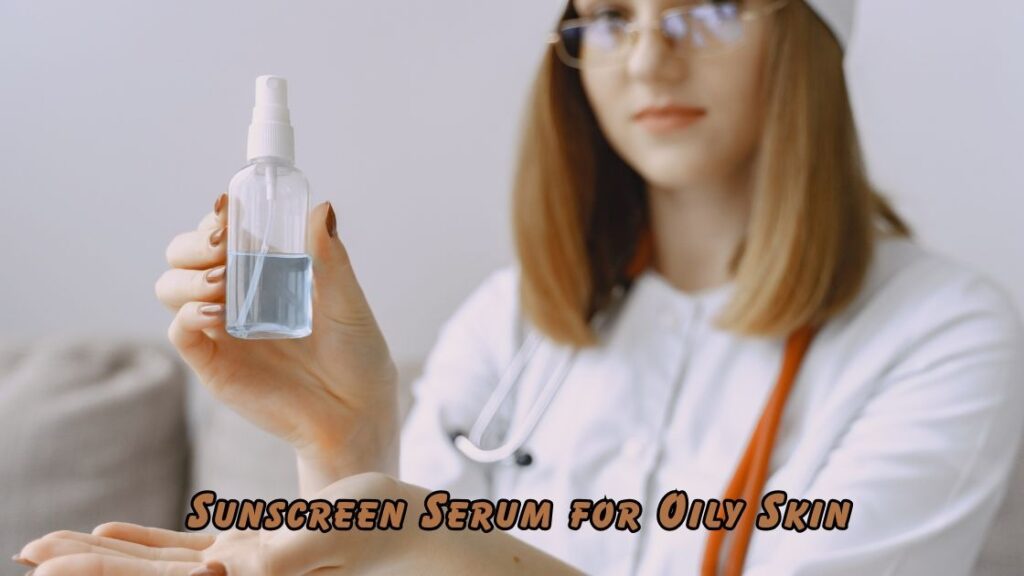
Understanding Sunscreen Serum and Why It Works for Oily Skin
A sunscreen serum is a lightweight, water-based formula that delivers sun protection through a fluid texture rather than the traditional thick cream consistency. Unlike heavy moisturizers with SPF, these serums absorb quickly into the skin without leaving behind any greasy film. For those dealing with excess sebum production, this makes a significant difference in daily comfort and appearance.
The beauty of sunscreen serum for oily skin lies in its formulation. These products typically contain silica, niacinamide, or zinc-based ingredients that help absorb oil throughout the day. Many also include hyaluronic acid for hydration without heaviness, making them ideal for combination skin types as well.
How Sunscreen Serums Differ from Traditional Sunscreens
Traditional sunscreens often rely on occlusive ingredients that sit on top of the skin, creating a barrier against UV rays. While effective for protection, this approach can trap oil and sweat underneath, leading to breakouts and congestion. A sunscreen serum for oily skin takes a different approach by using lighter emollients and quick-absorbing carriers that sink into the skin rather than coating it.
Key Benefits of Using Sunscreen Serum for Oily Skin Types
Switching to a serum-based SPF product offers multiple advantages for those struggling with shine and congestion. Understanding these benefits helps you make an informed decision about your sun protection routine.
Mattifying Properties and Oil Control
Most sunscreen serums for oily skin contain oil-absorbing ingredients that actively work to control shine. Ingredients like silica microspheres and kaolin clay help absorb excess sebum without over-drying the skin. This means you can achieve a matte finish that lasts well into the afternoon.
Non-Comedogenic Protection
Clogged pores and acne are common concerns for people with oily complexions. Quality sunscreen serums are specifically formulated to be non-comedogenic, meaning they won’t block your pores or contribute to breakout formation. This makes them suitable for acne-prone skin that still needs daily broad-spectrum protection.
Lightweight Layering Under Makeup
Another advantage of using sunscreen serum for oily skin is how beautifully it layers under makeup. The thin, fluid texture creates a smooth canvas for foundation and concealer without pilling or causing separation. Many users find their makeup actually lasts longer when applied over a lightweight SPF serum.
What Dermatologists Recommend Looking For
Skincare experts emphasize certain characteristics when recommending sun protection for oily complexions. Knowing what to look for helps you navigate the overwhelming number of options available.
- Choose formulas labeled oil-free and non-comedogenic to prevent pore congestion
- Look for SPF 30 or higher with broad-spectrum UVA and UVB protection
- Select products containing niacinamide which helps regulate sebum production
- Opt for chemical sunscreens with ingredients like avobenzone for lighter texture
- Consider tinted options that provide additional mattifying coverage
Ingredients to Embrace and Avoid
When selecting a sunscreen serum for oily skin, certain ingredients work better than others. Niacinamide, zinc oxide, and salicylic acid are excellent additions that offer secondary benefits beyond sun protection. These ingredients help minimize pores, reduce inflammation, and gently exfoliate.
Conversely, avoid formulas heavy in coconut oil, shea butter, or mineral oil. While these ingredients work wonderfully for dry skin, they can exacerbate oiliness and lead to congestion in those prone to excess sebum.
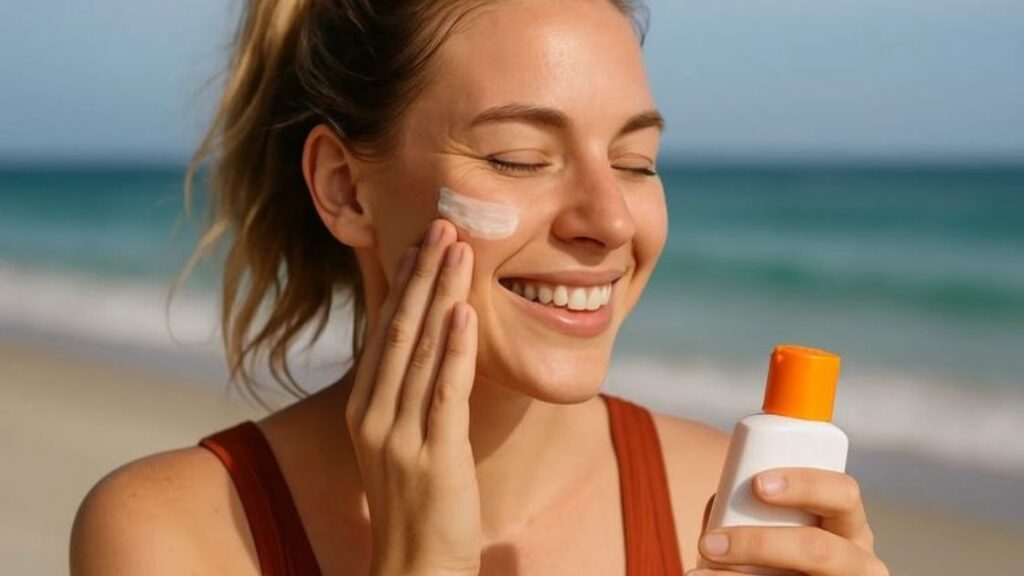
How to Apply Sunscreen Serum Correctly
Proper application ensures you receive full protection while maintaining that coveted matte finish. Even the best sunscreen serum for oily skin won’t perform optimally if applied incorrectly.
Step by Step Application Method
Begin with clean, freshly washed skin. Apply your regular skincare products first, allowing each layer to absorb completely. Dispense about a nickel-sized amount of sunscreen serum and dot it across your forehead, cheeks, nose, and chin. Gently press and pat the product into your skin rather than rubbing vigorously.
Wait two to three minutes before applying makeup to allow the formula to set properly. This patience pays off with better wear time and reduced midday shine.
Common Mistakes to Avoid
Even with the right product, certain habits can undermine your results when using sunscreen serum for oily skin.
- Applying too little product which compromises protection levels
- Skipping reapplication every two hours during sun exposure
- Layering over heavy moisturizers that counteract the lightweight formula
- Forgetting to extend application to neck and ears
- Using expired products that lose effectiveness over time
Understanding these pitfalls ensures you maximize both the protective and cosmetic benefits of your chosen formula.
Conclusion
Choosing the right sunscreen serum for oily skin doesn’t have to be complicated once you understand what works for your complexion. The key lies in selecting lightweight, non-comedogenic formulas that offer broad-spectrum protection while controlling excess shine. Remember to look for oil-absorbing ingredients like niacinamide and silica that keep your face matte throughout the day.
By following expert recommendations and avoiding common application mistakes, you can finally enjoy daily sun protection without the dreaded greasy feeling. Your skin deserves both effective UV defense and comfortable wear. Investing in a quality sunscreen serum for oily skin is truly a game-changer for your skincare routine and long-term skin health.