Choosing between cleansing water vs cleansing oil can feel confusing when both promise clean, refreshed skin. These two popular makeup removers have taken over skincare routines worldwide, yet they work in completely different ways. Micellar water offers a quick, no-rinse solution for busy mornings, while oil-based cleansers dissolve stubborn waterproof makeup and sunscreen effortlessly.
Understanding your skin type, daily habits, and specific concerns makes all the difference in selecting the right facial cleanser. Whether you have oily, dry, sensitive, or combination skin, one option will likely suit your needs better than the other.
This guide breaks down how each double cleansing method works, their unique benefits, and which situations call for which product. By the end, you’ll know exactly which gentle cleanser belongs in your skincare routine.
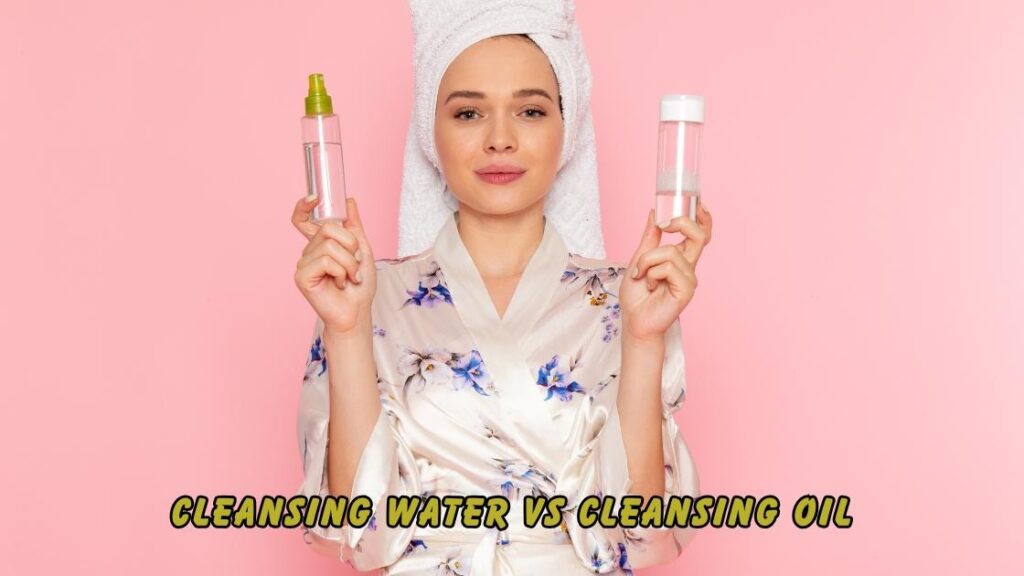
What Is Cleansing Water in the Cleansing Water vs Cleansing Oil Debate?
Cleansing water, commonly known as micellar water, is a gentle liquid cleanser containing tiny oil molecules called micelles suspended in soft water. These micelles act like magnets, attracting dirt, makeup, and excess sebum from your skin without harsh scrubbing. French women popularized this skincare staple decades ago as a quick way to refresh their faces without tap water.
This water based cleanser requires no rinsing, making it perfect for on the go cleansing. Simply soak a cotton pad and swipe it across your face until the pad comes away clean. The formula typically contains hydrating ingredients like glycerin, making it suitable for sensitive and dry skin types.
Benefits of Cleansing Water
Micellar water offers several advantages for daily skincare routines. It removes light makeup and surface impurities quickly without disrupting your skin barrier. The gentle formula rarely causes irritation, even around delicate eye areas. Additionally, cleansing water works excellently as a morning cleanser when your skin only needs light refreshing.
What Is Cleansing Oil?
Cleansing oil is a lipid based formula designed to dissolve oil soluble impurities on your skin. This includes sunscreen, heavy foundation, waterproof mascara, and the natural sebum your pores produce throughout the day. The principle behind oil cleansers follows the chemistry rule that like dissolves like.
When massaged onto dry skin, oil based cleansers break down everything sitting on your face. Adding water transforms the oil into a milky emulsion that rinses away completely, leaving skin clean yet moisturized. Popular formulations include jojoba oil, olive oil, and lightweight mineral oils combined with emulsifiers.
Benefits of Cleansing Oil
Oil cleansers excel at deep cleansing without stripping natural moisture. They effectively remove even the most stubborn long wearing makeup in one step. Many people find that regular use helps balance sebum production, benefiting both oily and acne prone skin. The massage application also promotes circulation and provides a relaxing self care moment.
Cleansing Water vs Cleansing Oil: Key Differences
Understanding how cleansing water vs cleansing oil differ helps you make an informed decision for your skincare needs.
Texture and Application
Cleansing water feels lightweight and requires cotton pads for application. You press and hold the soaked pad against makeup before wiping away. Cleansing oil has a thicker consistency and works best when massaged directly onto dry skin with your fingernips. The tactile experience differs significantly between these two facial cleansers.
Cleansing Power
When comparing cleansing water vs cleansing oil for makeup removal, oil wins for heavy duty cleansing. Waterproof products and full coverage foundation come off effortlessly with oil cleansers. Micellar water handles light makeup, tinted moisturizer, and daily grime effectively but may struggle with stubborn formulas.
Skin Feel After Use
Cleansing water leaves skin feeling fresh and slightly hydrated without residue. Some people prefer this clean sensation, especially in humid climates. Cleansing oil leaves a subtle moisture layer that nourishes dry skin types but might feel too rich for those with oily complexions.
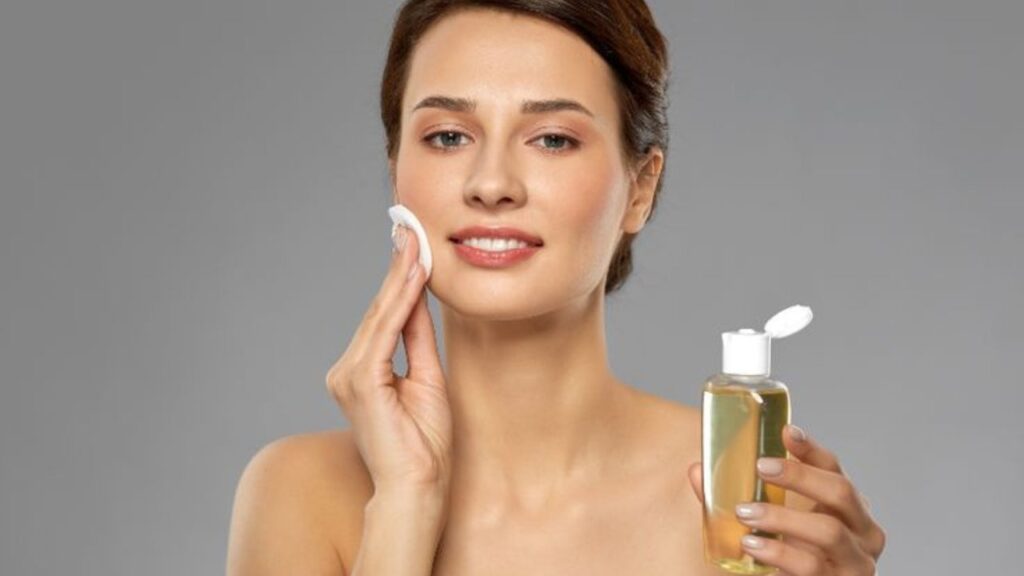
How to Choose Cleansing Water vs Cleansing Oil
Selecting between cleansing water vs cleansing oil depends on several personal factors:
- Consider your typical makeup routine and whether you wear heavy or minimal products daily
- Evaluate your skin type since oily skin may prefer water while dry skin often loves oil
- Think about your lifestyle and how much time you dedicate to evening skincare
- Assess your skin sensitivity because micellar water generally irritates less
- Factor in climate conditions as humid environments suit lighter cleansers
Best Candidates for Cleansing Water
Choose micellar water if you wear minimal makeup, have extremely sensitive skin, or need a quick morning cleanse. This gentle cleanser also works wonderfully for travel since it requires no rinsing. Those who dislike the feeling of oil on their face will appreciate the lightweight finish.
Best Candidates for Cleansing Oil
Opt for cleansing oil if you wear sunscreen daily, use long lasting makeup, or practice double cleansing. This method suits dry and mature skin beautifully by maintaining moisture levels. Anyone struggling with clogged pores from inadequate makeup removal will benefit from switching to an oil based first cleanser.
Can You Use Both Products Together?
Absolutely! Many skincare enthusiasts incorporate both cleansing water vs cleansing oil into their routines strategically. Use micellar water for morning cleansing and light makeup days. Reserve your oil cleanser for evenings when thorough makeup removal matters most. This combination approach maximizes benefits while addressing different cleansing needs throughout your week.
Conclusion
The debate between cleansing water vs cleansing oil ultimately comes down to your unique skin needs and lifestyle. Both makeup removers deliver effective results when matched correctly with your skin type and daily routine. Micellar water offers convenience and gentleness for light cleansing, while oil based cleansers provide deep pore cleansing for heavy makeup and sunscreen removal.
Consider experimenting with both facial cleansers to discover what your skin truly prefers. Many people find success using cleansing water vs cleansing oil interchangeably depending on the day. The best cleanser is simply the one you’ll use consistently for healthy, radiant skin.