Finding the right dry to very dry skin moisturizers can feel overwhelming when store shelves are packed with countless options promising miracle results. If your skin feels tight, flaky, or uncomfortable no matter what you try, you’re not alone. Millions of people struggle with intense dryness that regular lotions simply can’t fix.
The reality is, every moisturizer performs differently on your skin. What works for someone with normal skin won’t cut it when you’re dealing with severe dryness, cracking, or irritation. Dermatologists emphasize that understanding your skin’s unique needs is the first step toward lasting hydration.
In this comprehensive guide, we’ll share expert-backed advice on choosing effective hydrating creams, essential ingredients for intense moisture, the best skincare routine for parched skin, and common mistakes that worsen dehydrated skin conditions. Let’s discover what actually works.
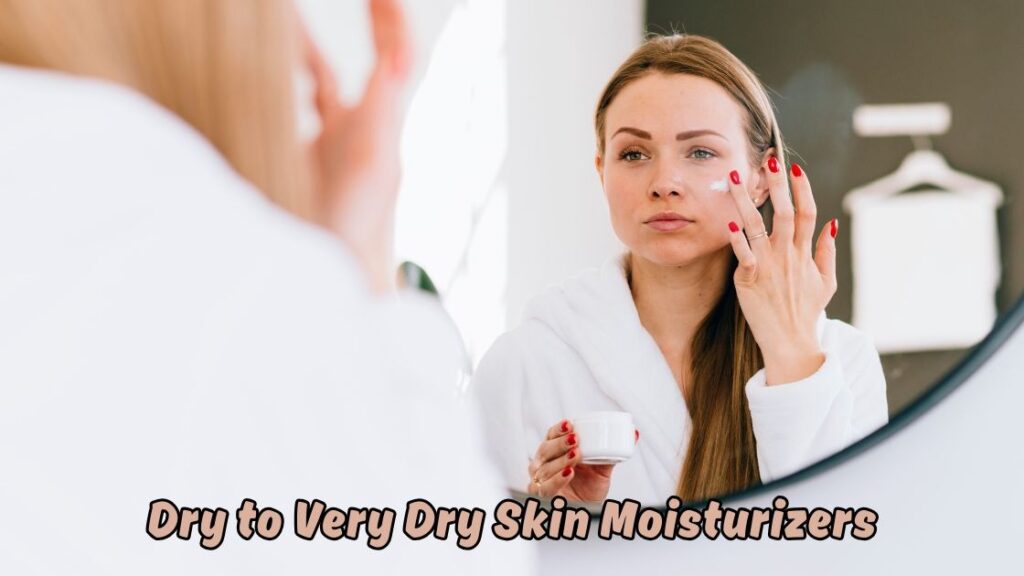
Understanding Dry to Very Dry Skin Moisturizers: What’s Really Happening
Before choosing a dry to very dry skin moisturizers, it’s essential to understand why your skin behaves this way. Dry skin occurs when the outermost layer, called the stratum corneum, lacks sufficient moisture and natural oils. This protective barrier becomes compromised, allowing water to escape and irritants to penetrate.
Very dry skin takes this condition further. You may notice visible flaking, rough texture, redness, and even painful cracks. Factors like aging, harsh weather, hot showers, and certain medical conditions can strip your skin of its natural lipids. Genetics also play a significant role in determining your skin’s moisture retention capabilities.
The Science Behind Skin Hydration
Your skin maintains moisture through a complex system involving ceramides, fatty acids, and cholesterol. These lipids form a protective matrix that locks in hydration. When this barrier weakens, transepidermal water loss increases dramatically. A quality dry to very dry skin moisturizers works by replenishing these missing components and creating a seal to prevent further moisture loss.
Key Ingredients Dermatologists Recommend
Not every moisturizer delivers results for severely parched skin. Dermatologists consistently recommend looking for specific ingredients that address intense dryness at multiple levels.
Humectants for Deep Hydration
Humectants work by pulling moisture from the air and lower skin layers up to the surface. Hyaluronic acid works as an exceptional moisture magnet, absorbing up to 1000 times its own weight in water. Glycerin and urea are equally effective humectants found in many dermatologist recommended moisturizers for dry skin.
Emollients and Occlusives
Emollient ingredients such as squalane, shea butter, and jojoba oil help calm roughness and restore smoothness. Occlusives such as petrolatum, dimethicone, and lanolin create a physical barrier that prevents moisture escape. The best dry to very dry skin moisturizers combines all three categories for maximum effectiveness.
Selecting the Perfect Moisturizer for Your Skin Type
Selecting an appropriate intensive hydrating cream requires considering several factors beyond just the ingredient list.
Texture and Formulation
Creams and ointments work better than lotions for very dry skin because they contain higher oil content. Lotions have more water, which evaporates quickly and provides less lasting relief. For extremely compromised skin, thick balms and overnight treatments offer superior nourishment.
What to Look For
- Fragrance free formulas to minimize irritation risk
- Ceramide complex to restore the skin barrier
- Non comedogenic options if you’re prone to breakouts
- Clinically tested products with proven efficacy
- pH balanced formulations that support skin health
What to Avoid
Certain ingredients can worsen dryness despite being common in skincare products. Stay away from alcohol denat, artificial fragrances, and harsh preservatives. These components strip natural oils and trigger inflammation in sensitive, dehydrated skin.
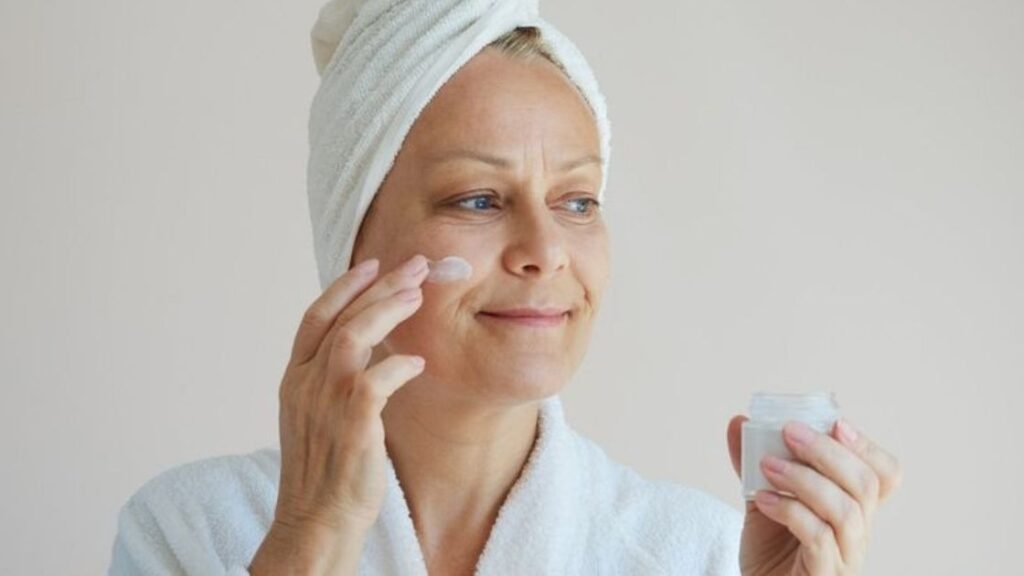
Best Practices for Applying Your Moisturizer
Even the most effective dry to very dry skin moisturizers won’t deliver optimal results without proper application techniques.
Timing Matters
Apply your hydrating skincare products within three minutes of bathing while skin remains slightly damp. This locks in existing moisture and helps active ingredients penetrate deeper. Dermatologists call this the “soak and seal” method.
Layering for Maximum Benefit
Consider layering products from thinnest to thickest consistency. Start with a hydrating serum containing hyaluronic acid, follow with your primary dry to very dry skin moisturizers, and seal everything with an occlusive layer at night. This multi step approach addresses dehydration from multiple angles.
Common Mistakes That Worsen Dry Skin
Many people unknowingly sabotage their skincare efforts through daily habits that increase moisture loss.
Overwashing and Hot Water
Excessive cleansing strips protective oils faster than your skin can replenish them. Hot water feels soothing but damages the lipid barrier significantly. Switch to lukewarm water and gentle, cream based cleansers designed for dry skin relief.
Skipping Nighttime Routines
Your skin repairs itself during sleep, making nighttime the ideal window for intensive treatment. Neglecting your evening dry to very dry skin moisturizers means missing peak absorption hours when cellular regeneration occurs naturally.
When to See a Dermatologist
Sometimes over the counter products aren’t enough. If your skin cracks, bleeds, becomes infected, or doesn’t improve after consistent care, professional evaluation is necessary. Conditions like eczema, psoriasis, or thyroid disorders may require prescription strength treatments alongside your regular moisturizing skincare routine.
Conclusion
Choosing the right dry to very dry skin moisturizers doesn’t have to be complicated when you understand what your skin truly needs. Focus on products containing humectants, emollients, and occlusives that work together to restore your damaged skin barrier. Remember to apply your hydrating cream on damp skin, avoid harsh ingredients, and maintain consistency with your skincare routine.
Your journey toward lasting hydration starts with informed choices. Whether you opt for ceramide rich formulas or intensive overnight treatments, the perfect dry to very dry skin moisturizers exists for your unique concerns. When home remedies fall short, consulting a dermatologist ensures you receive personalized care for healthy, comfortable skin.