Achieving healthy hair habits is the first step toward vibrant, strong, and naturally beautiful hair. Many struggle with issues like hair damage, split ends, and dry scalp, but simple, consistent practices can transform your hair from dull to dazzling. In this article, we will explore proven techniques to repair hair, nourish strands, and maintain your hair’s natural beauty.
You’ll learn about proper hair care routines, the importance of scalp health, and the role of nutrition for hair growth in keeping your locks resilient and shiny. Whether you want to prevent hair breakage, boost hydration, or understand how to protect your hair from environmental stress, these expert-backed tips will guide you toward a healthier, more confident look.
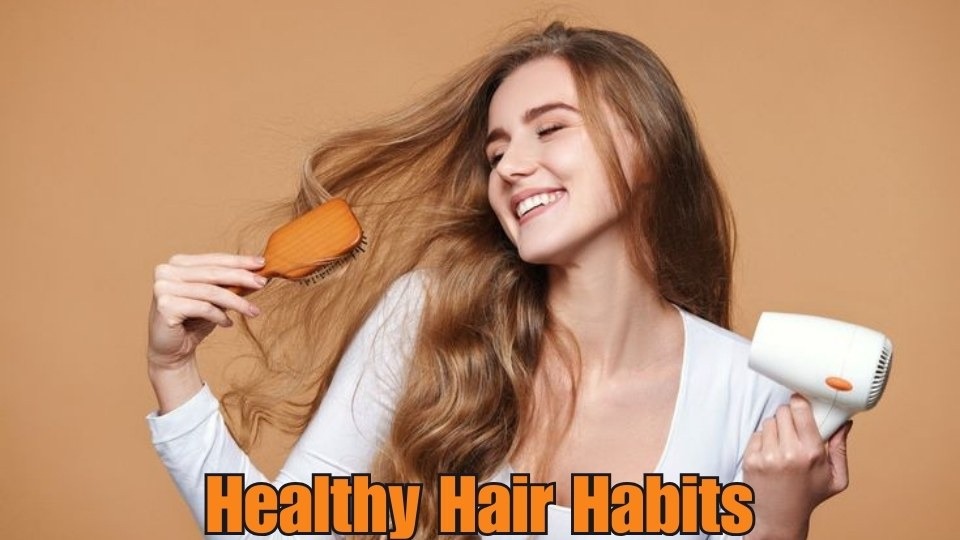
Understanding Healthy Hair Habits
Healthy hair habits refer to the consistent practices and routines that support strong, shiny, and well-nourished hair. These habits encompass daily care, diet, protection from damage, and awareness of individual hair needs. Hair is more than a cosmetic feature; it reflects overall health and well-being. Throughout history, cultures around the world have emphasized hair care as a symbol of beauty and vitality. Ancient remedies often relied on natural oils, herbal treatments, and scalp massages to maintain hair strength. Today, science and technology have provided us with advanced insights into how nutrition, hydration, and hair protection impact hair health. Adopting effective hair habits is essential to prevent breakage, dryness, and scalp issues, ensuring your hair remains vibrant and resilient.
Importance of Daily Hair Care
Daily hair care is a cornerstone of healthy hair habits. Understanding your hair type is crucial, as each type requires tailored approaches. For example, curly hair benefits from hydration-focused routines, while fine hair thrives on lightweight nourishment. Consistent care prevents long-term damage and improves hair texture. Key practices include gentle washing, using appropriate conditioners, and limiting exposure to harsh chemicals. Maintaining scalp health is equally important, as it promotes natural hair growth and prevents issues such as dandruff or irritation. Incorporating these steps into a daily regimen supports hair strength and shine.
Recommended Hair Washing Techniques
Proper washing techniques can make a significant difference in hair quality. Over-washing can strip essential oils, while under-washing may cause buildup and dullness. Experts suggest washing hair two to three times a week for most hair types. Use lukewarm water to protect hair cuticles and avoid excessive heat. Focus on the scalp during cleansing, and allow conditioners to nourish the strands without weighing them down.
Conditioning and Moisturizing
Conditioning is vital for maintaining softness and elasticity. Choose products with natural oils or proteins for optimal results. Applying a leave-in conditioner can protect hair from environmental stressors such as sun, pollution, and humidity. Moisturizing treatments, including deep-conditioning masks, provide hydration and repair damaged areas effectively.
Nutrition and Hair Health
Diet plays a pivotal role in hair vitality. Nutrients such as proteins, vitamins, and minerals directly influence hair growth and strength. Hair follicles require adequate nourishment to function properly. Deficiencies can result in brittle strands, slow growth, or hair loss. Including foods rich in biotin, omega-3 fatty acids, iron, and vitamin E supports the hair’s structural integrity. Drinking sufficient water enhances scalp hydration and improves the overall texture of hair. Combining these dietary practices with consistent hair care routines reinforces the benefits of healthy hair habits.
Essential Nutrients for Hair
Hair is mainly made of keratin, making protein an essential component for its strength and growth. Iron supports oxygen supply to hair follicles, while zinc helps repair damage and maintain growth cycles. Omega-3 fatty acids provide hydration from within, and vitamin C promotes collagen production, strengthening the hair structure.
Role of Supplements
In some cases, supplements may help address nutrient gaps. Biotin, vitamin D, and marine collagen are commonly recommended to improve hair density and resilience. However, a balanced diet remains the primary source of nourishment, with supplements serving as a supportive measure.
Protective Practices in Healthy Hair Habits
Protecting hair from damage is a crucial component of healthy hair habits. Environmental factors, styling techniques, and chemical treatments can weaken strands over time. Limiting heat styling and using protective sprays or serums helps minimize breakage. Covering hair during harsh weather, such as strong sun or wind, prevents dryness and color fading. Gentle detangling techniques reduce strain on the hair shaft, lowering the risk of split ends.
Styling and Heat Management
Excessive use of straighteners, curling irons, or blow dryers can cause significant damage. Applying heat protectants and adjusting temperature settings prevents moisture loss and preserves elasticity. Opting for air-drying when possible allows hair to retain its natural texture and shine.
Chemical Treatments
Hair coloring, bleaching, and perming can compromise strength and elasticity. Scheduling treatments with professional guidance and using restorative products afterward ensures minimal harm. Occasional deep-conditioning treatments help restore hydration and resilience post-treatment.
Benefits of Maintaining Healthy Hair Habits
The advantages of consistent hair care practices extend beyond aesthetics. Healthy hair boosts confidence, supports scalp health, and reduces the frequency of salon treatments for repairs. Strong hair is less prone to breakage, thinning, and dryness. By following proper routines, individuals can enjoy manageable, vibrant hair year-round. Moreover, adopting these practices encourages mindfulness about overall health, connecting hair care with nutrition, hydration, and lifestyle habits.
Practical Examples
- Incorporating scalp massages twice a week to stimulate circulation and hair growth
- Using sulfate-free shampoos to reduce chemical stress on hair
- Applying deep-conditioning masks every ten days to restore moisture
- Maintaining a balanced diet including nuts, leafy greens, and fish for nutrients
- Limiting tight hairstyles to prevent traction alopecia and breakage
Challenges in Healthy Hair Habits
Maintaining healthy hair habits can be challenging due to lifestyle factors, stress, and environmental exposure. Busy schedules may result in irregular care, and exposure to pollutants or hard water can damage hair. Hormonal changes, medical conditions, and aging also impact hair health. Understanding these challenges helps in developing realistic routines that accommodate personal circumstances. Solutions such as protective hairstyles, nutritional adjustments, and professional guidance make sustaining healthy hair habits achievable.
Overcoming Common Hair Issues
Split ends, frizz, and thinning hair are common concerns. Regular trimming, gentle handling, and avoiding excessive chemical exposure can address these problems. Monitoring scalp condition and adjusting products based on seasonal changes ensures hair remains resilient and vibrant.
Conclusion:
Maintaining healthy hair habits is essential for achieving strong, shiny, and resilient hair. By incorporating proper hair care routines, nourishing diets, and protective practices, you can prevent damage, reduce breakage, and support natural hair growth. Paying attention to scalp health, hydration, and nutrient intake ensures long-term hair vitality. Consistent efforts and mindful choices make a noticeable difference, whether it’s reducing dryness, preventing split ends, or enhancing shine. Embracing these practices not only improves hair appearance but also promotes overall confidence and well-being, making hair care an integral part of a healthy lifestyle.