If your skin suddenly feels tight, irritated, or unusually sensitive, the causes of damaged skin barrier often go deeper than surface dryness. Everyday skincare choices, environmental exposure, and lifestyle habits can slowly weaken the skin’s natural defense system without obvious warning signs. Understanding the causes of damaged skin barrier helps explain why issues like redness, dehydration, and breakouts may persist despite regular care.
This article breaks down how modern products, changing climate conditions, and disruptions in the skin’s microbiome contribute to barrier imbalance. You’ll learn what triggers damage, why it worsens over time, and how these factors interact at a biological level. By the end, you’ll have a clear, science-backed understanding of what undermines barrier health and how awareness is the first step toward long-term skin resilience.
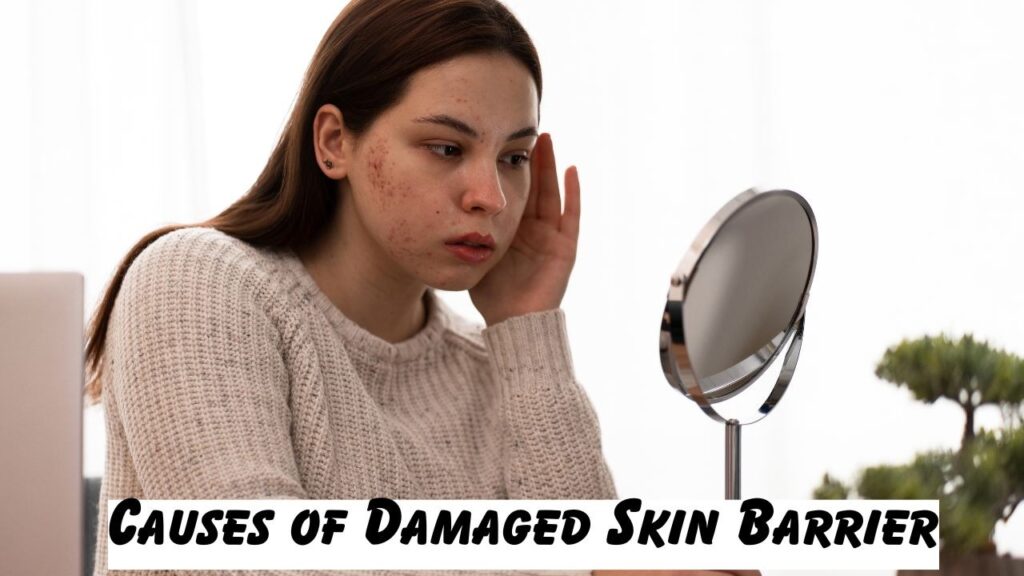
Understanding the Skin Barrier and What It Does
The skin barrier is the outer protective layer responsible for keeping moisture in and harmful elements out. When it functions properly, skin feels balanced and comfortable. The causes of damaged skin barrier often begin when this protective layer loses its ability to regulate hydration and defense. Scientifically, this layer relies on lipids, natural moisturizing factors, and a stable surface environment.
When disruption occurs, transepidermal water loss increases and sensitivity follows. Understanding it helps explain why dryness, irritation, and inflammation often appear together rather than as isolated problems.
Definition and Core Functions
The barrier acts as a gatekeeper between the body and the environment. It manages hydration retention and shields against environmental stressors encountered daily.
Why Damage Happens Gradually
Barrier damage rarely occurs overnight. Repeated exposure to triggers slowly weakens structure and resilience.
Historical Perspective on Barrier Damage
In earlier skincare eras, dryness was treated only with heavy occlusives. Research later revealed that the causes of damaged skin barrier were linked to deeper biological changes. Dermatology studies highlighted how harsh cleansing habits and overexfoliation effects stripped essential lipids. As awareness grew, barrier repair became a foundational concept in skin health.
Shift in Dermatology Understanding
Modern dermatology recognizes skin microbiome imbalance as a contributor to long-term sensitivity and inflammation.
From Symptom Control to Prevention
Addressing root triggers now takes priority over temporary relief strategies.
Daily Habits That Disrupt Barrier Health
Many everyday routines unintentionally weaken the skin. The causes of damaged skin barrier frequently include excessive cleansing, frequent exfoliation, and exposure to environmental stressors. These habits reduce lipid levels and disturb surface balance.
Overcleansing and Exfoliation
Overexfoliation effects remove protective layers faster than the skin can rebuild them. This accelerates transepidermal water loss and irritation.
Example From Daily Life
Using strong cleansers morning and night often leads to tightness and redness within weeks.
Environmental and Lifestyle Triggers
Climate plays a major role in barrier stability. The causes of damaged skin barrier often intensify in extreme weather. Cold air reduces moisture, while heat increases sweat and irritation. Pollution further contributes to skin microbiome imbalance.
Impact of Climate Changes
Rapid shifts between indoor heating and outdoor cold stress the barrier repeatedly.
Lifestyle Factors
Poor sleep and chronic stress slow barrier repair and worsen sensitivity.
Importance of Identifying the Root Causes
Ignoring early warning signs allows damage to progress. Recognizing the causes of damaged skin barrier early prevents long-term issues like chronic dryness and reactivity. Barrier health influences how skin responds to treatments and products.
Why Early Awareness Matters
Healthy barriers improve tolerance to active ingredients and reduce flare ups.
Professional Observations
Dermatologists often see faster improvement when barrier care is prioritized first.
Benefits of Addressing Barrier Damage
Correcting the causes of damaged skin barrier improves overall skin quality. Hydration stabilizes, texture smooths, and redness diminishes. Balanced skin microbiome imbalance reduction supports long-term resilience.
Long-Term Improvements
Reduced transepidermal water loss helps skin maintain flexibility and comfort.
Real World Outcome
Patients often report less stinging and fewer reactions after adjusting routines.
Common Challenges in Barrier Recovery
One challenge is product overload. Attempting to fix damage too quickly may worsen it. The causes of damaged skin barrier sometimes persist because habits remain unchanged.
Mistakes That Slow Progress
Switching products frequently prevents adaptation and healing.
Misleading Marketing
Not all products labeled gentle truly support barrier recovery.

Practical Examples of Barrier Stress
Urban environments expose skin to environmental stressors daily. Combined with harsh cleansing habits, this accelerates damage. The causes of damaged skin barrier become more pronounced in people with sensitive or reactive skin types.
Clinical Example
Individuals with frequent redness often show signs of lipid depletion.
Daily Routine Impact
Simplifying skincare often leads to noticeable improvement.
Numbered Practical Guidance
- Reduce exfoliation frequency to limit overexfoliation effects.
- Use gentle cleansers to avoid harsh cleansing habits.
- Protect skin from environmental stressors when outdoors.
- Support balance to reduce skin microbiome imbalance.
- Focus on hydration to minimize transepidermal water loss.
Why Expertise and Evidence Matter
The causes of damaged skin barrier are best addressed through evidence based practices rather than trends. Dermatology research and clinical experience guide effective prevention and recovery strategies. Trustworthy information empowers individuals to make consistent, informed choices that support long-term skin health.
Building Sustainable Skin Health
Consistency and knowledge allow the barrier to rebuild naturally over time.
Conclusion:
Understanding the causes of damaged skin barrier is essential for maintaining long-term skin comfort and resilience. This article highlighted how daily habits, environmental stressors, climate changes, and skin microbiome imbalance gradually weaken the skin’s natural defense system. By recognizing early signs and reducing triggers such as harsh cleansing habits and overexfoliation effects, skin can regain balance and strength. Addressing the causes of damaged skin barrier through informed, evidence-based care supports hydration, minimizes transepidermal water loss, and helps build a healthier foundation for future skincare success.