Are you curious about mixing skincare ingredients safely and effectively to unlock their full potential? Understanding how different components interact can transform your skincare routine from ordinary to extraordinary. In this guide, we’ll dive into the science behind ingredient synergy, explore the importance of pH balance, and reveal tips for maintaining potency while combining products.
You’ll also learn about layering techniques, active ingredient compatibility, and safety considerations to prevent irritation or reduced effectiveness. Whether you’re a beginner experimenting with creams and serums or an advanced enthusiast looking to optimize your routine, this article provides practical, expert-backed advice. By the end, you’ll confidently mix your skincare products with precision, ensuring maximum results without compromising skin health.
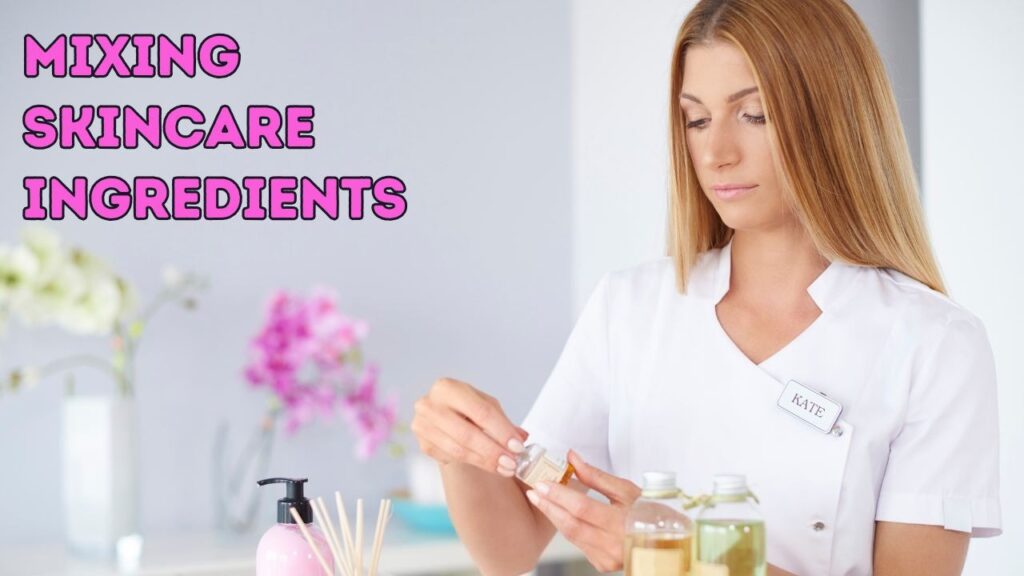
Understanding Mixing Skincare Ingredients
Mixing skincare ingredients is the practice of combining different skincare products or active compounds to enhance their effectiveness, improve skin health, and achieve specific results. This process is not just about throwing products together; it requires careful consideration of each ingredient’s properties, interactions, and potential side effects. Skincare enthusiasts and professionals alike often use this approach to target multiple concerns such as dryness, acne, or pigmentation simultaneously.
History of Combining Skincare Products
The concept of mixing skincare ingredients dates back centuries. Ancient civilizations, including Egyptians and Greeks, combined natural oils, clays, and herbal extracts to nourish and protect the skin. Over time, modern chemistry allowed for the development of active compounds such as retinoids, acids, and antioxidants, creating new opportunities for more advanced formulations. Understanding this history helps explain why some combinations work harmoniously while others can cause irritation or reduce efficacy.
Importance of Proper Ingredient Combination
Properly mixing skincare ingredients ensures that each product works to its full potential. Incorrect combinations can lead to reduced potency, skin sensitivity, or breakouts. For example, mixing acidic products with certain retinoids can cause irritation, while combining antioxidants with complementary compounds can amplify benefits. Knowledge of ingredient interactions helps in achieving the best results safely.
Benefits of Mixing Skincare Ingredients
Mixing skincare ingredients correctly offers numerous benefits, making it an essential skill for both beginners and professionals.
Enhanced Effectiveness
- Target Multiple Skin Concerns Simultaneously: Combining serums with moisturizers allows for addressing dryness, fine lines, and uneven skin tone in one routine.
- Increased Absorption: Some combinations enhance the skin’s ability to absorb active ingredients more efficiently.
- Maximized Potency: Certain ingredients work better together, such as vitamin C and ferulic acid, providing stronger antioxidant protection.
- Customized Skincare: Mixing allows personalization according to skin type and specific concerns.
- Time Efficiency: Fewer steps are needed when combining compatible products strategically.
Skin Health Improvement
Correctly combined ingredients support barrier function, hydration, and overall skin resilience. Ingredients like hyaluronic acid with peptides help strengthen the skin while reducing inflammation. Mixing products with complementary purposes can improve texture, elasticity, and radiance over time.
Challenges in Mixing Skincare Ingredients
Despite the benefits, mixing skincare ingredients comes with challenges that require careful attention.
Potential for Irritation
Certain combinations may irritate the skin if used incorrectly. For example, pairing strong acids with retinoids or exfoliating products may cause redness or sensitivity.
pH Imbalance
Every skincare product has an optimal pH. Combining products with conflicting pH levels may reduce their effectiveness or cause skin barrier disruption.
Incompatibility of Ingredients
Not all ingredients are compatible. Some actives may neutralize each other or degrade when mixed, such as vitamin C with niacinamide under certain conditions.
Overloading the Skin
Applying too many active ingredients at once can overwhelm the skin, leading to breakouts or dryness. Monitoring how much and how often each ingredient is applied is critical for maintaining healthy skin.

Examples of Effective Ingredient Combinations
Knowing which skincare ingredients are compatible is essential for effectively combining them.
Vitamin C and Ferulic Acid
This combination increases antioxidant protection, brightens skin tone, and helps reduce fine lines. Applying them together enhances stability and effectiveness compared to using vitamin C alone.
Hyaluronic Acid and Peptides
Hyaluronic acid hydrates while peptides support collagen production. Together, they promote elasticity, firmness, and smooth texture.
Retinol and Niacinamide
Retinol encourages cell turnover, while niacinamide soothes and reduces irritation. Combining them carefully allows for effective anti-aging benefits without causing excessive redness or sensitivity.
Layering Approach
- Apply lighter, water-based products first.
- Follow with heavier creams or oils.
- Use active serums in between to maximize potency.
- Always apply sunscreen in the morning to safeguard skin that has been treated.
- Adjust frequency based on skin tolerance and sensitivity.
Safety Practices
- Always patch test new combinations.
- Introduce one active ingredient at a time.
- Monitor skin response daily.
- Avoid mixing too many strong actives simultaneously.
- Store products correctly to maintain potency.
Advanced Tips for Professionals Mixing Skincare Ingredients
For skincare enthusiasts and professionals, advanced strategies can further enhance results when mixing skincare ingredients.
Understanding Synergy
Some ingredients create a synergistic effect, enhancing each other’s benefits. For example, combining antioxidants with sunscreen can provide better photoprotection. Recognizing which ingredients complement each other is crucial for maximizing results.
Monitoring pH Levels
Advanced practitioners pay attention to the pH of every product. Maintaining a balanced pH ensures actives remain stable and skin barrier function is preserved.
Potency Preservation
Storing products in appropriate conditions, such as dark, cool environments, prevents degradation of sensitive ingredients like vitamin C or retinol. This ensures that each combination delivers maximum benefits.
Experimentation with Care
Professionals often experiment with new ingredient combinations to achieve innovative solutions. Documenting results and monitoring reactions helps refine techniques safely and effectively.
Conclusion:
In summary, mastering the art of mixing skincare ingredients can elevate any routine, providing enhanced effectiveness, improved hydration, and targeted results for various skin concerns. By understanding synergy, pH balance, and potency, individuals can combine products safely while avoiding irritation or reduced performance. Following proper layering techniques, monitoring active ingredient compatibility, and considering skin sensitivity ensures maximum benefits. Whether for beginners or advanced enthusiasts, this knowledge empowers users to create personalized, science-backed routines. Prioritizing safety and informed experimentation makes skincare both effective and enjoyable, delivering healthier, radiant, and resilient skin.